alarm RGCIRC, Niti Bagh alarm Emergency - 24/7 Book an Appointment Find a Doctor

RGCIRC Team

Bone Cancer

22 August, 2026

Backbone cancer, also known as spinal cancer, is a serious condition that affects the bones and tissues of the spine. In this article, let us explore the symptoms, causes, stages, and treatment options for backbone cancer.

What Is Backbone Cancer?

Backbone cancer is a type of cancer that affects the spine, which is made up of 33 vertebrae stacked on top of each other. The spine is an essential part of the body’s structure, providing support and protection for the spinal cord, which carries messages from the brain to the rest of the body.

Symptoms of Backbone Cancer

Early detection of symptoms is critical in ensuring successful treatment and recovery. Here are some common symptoms of backbone cancer to look out for:

  • Pain: Persistent pain in the spine is one of the most common symptoms. The pain can be localised to the affected area or radiate to other parts of the body. It may be worse at night or during activities that put pressure on the spine.
  • Numbness or Tingling: Backbone cancer can cause numbness or tingling sensations in the arms or legs, depending on the location of the tumour. This happens when the cancer presses against the nerves that run through the spine, causing sensations to become distorted or lost altogether.
  • Weakness: As backbone cancer progresses, it can cause weakness in the arms, legs, or other parts of the body. This can make it difficult to perform everyday tasks such as walking or lifting objects.
  • Loss of Bladder or Bowel Control: In some cases, backbone cancer can cause loss of bladder or bowel control. This happens when the tumour presses against the nerves that control these bodily functions.
  • Unexplained Weight Loss: Unexplained weight loss can be a symptom of many types of cancer, including backbone cancer. If you’re losing weight without trying, it’s important to talk to your doctor.
  • Changes in Posture: Backbone cancer can cause changes in posture, such as a hunched or stooped appearance. This occurs when the tumour affects the vertebrae, causing them to collapse or become compressed.

It’s important to note that these symptoms can also be caused by other conditions, so it’s essential to consult a doctor for an accurate diagnosis. If you’re experiencing any of these symptoms, don’t hesitate to talk to your doctor. Early detection and treatment of backbone cancer can improve your chances of a successful recovery.

Also Read: WHY SHOULD YOU CHOOSE INDIA FOR CANCER TREATMENT?

Causes of Backbone Cancer

The exact cause of backbone cancer is not known, but there are several risk factors that may increase a person’s likelihood of developing the disease. These include:

  1. Age: Backbone cancer is more common in people over the age of 50.
  2. Genetics: Some inherited genetic mutations can increase the risk of developing certain types of spine tumours.
  3. Previous Cancer Diagnosis: People who have had cancer in other parts of the body may be at a higher risk of developing spine tumours.
  4. Exposure to Radiation: People who have undergone radiation therapy for other cancers may be at a higher risk of developing spine tumours.

Stages of Backbone Cancer

When it comes to backbone cancer, understanding the different stages of the disease is essential to determine the right treatment plan. The stages are classified using the TNM (Tumour, Node, and Metastasis) system

  • Stage 0:

This is known as carcinoma in situ. At this stage, abnormal cells are found in the tissue lining the spinal cord, but they have not spread beyond it.

  • Stage I:

At stage I, the tumour is small and localised to one area of the spine. It hasn’t spread to nearby tissues and the cancer cells are still within the spinal cord. Treatment for this stage typically involves surgery to remove the tumour or a portion of the affected vertebrae.

  • Stage II:

At stage II, the tumour may have grown and spread to nearby tissues, such as the bones or nerves in the spine. The treatment plan may involve a combination of surgery, radiation therapy, and chemotherapy.

  • Stage III:

In stage III, the tumour would have spread to nearby lymph nodes. The treatment plan may include surgery, radiation therapy, chemotherapy, and immunotherapy.

  • Stage IV:

At stage IV, the cancer would have spread to other parts of the body, such as the lungs, liver, or brain. The treatment plan may involve a combination of surgery, radiation therapy, chemotherapy, and immunotherapy.

It’s important to note that not all cases of backbone cancer are staged using the TNM system. In some cases, doctors may use a grading system based on the appearance of the cancer cells under a microscope. This system ranges from grade I to grade IV, indicating the speed of cancer cell growth.

Also Read: ALL ABOUT CANCER SURGERY

Treatment Options for Backbone Cancer

When it comes to treating backbone cancer, there are a number of options available depending on the type and stage of cancer as well as the overall health of the patient. Here’s a breakdown of the most common backbone cancer treatment options:

Surgery:

In many cases, surgery is the first-line treatment for backbone cancer. The goal of surgery is to remove as much of the tumour as possible while still preserving the functionality of the spine. Sometimes, surgery may also involve spinal fusion or the insertion of metal hardware to stabilise the spine.

Radiation Therapy:

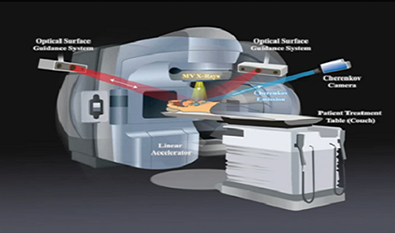
This treatment involves using high-energy rays to kill cancer cells. It can be used on its own or in conjunction with surgery for cancer that has spread to other parts of the body.

Chemotherapy:

Chemotherapy uses drugs to kill cancer cells. It’s typically used for backbone cancer that has spread to other parts of the body.

Targeted Therapy:

This type of cancer treatment targets specific molecules involved in cancer growth. It’s often used alongside chemotherapy or radiation therapy.

Immunotherapy:

Immunotherapy is a newer form of cancer treatment that uses the body’s immune system to fight cancer. It’s showing promising results in the treatment of backbone cancer.

It’s important to remember that every patient’s situation is unique and the best course of treatment will depend on a variety of factors. That’s why it’s essential to work closely with a team of healthcare professionals to determine the most effective treatment plan for each individual. With early detection and prompt treatment, the outlook for backbone cancer can be positive and many patients are able to recover successfully.

Also Read: RADIATION AND SURGERY: WHICH ONE IS THE BEST FOR CANCER TREATMENT?

In conclusion, backbone cancer can be a difficult diagnosis, but there are options for treatment and recovery. By staying informed and working closely with your healthcare team, you can take control of your health and fight against this disease. Remember, you are not alone in this fight, and with the support of your loved ones and medical professionals, you can overcome this challenge with strength and resilience.

Frequently Asked Questions (FAQs)

What are the symptoms of backbone cancer

Common symptoms of backbone cancer may include persistent or worsening back or spine pain, numbness or tingling in
the arms or legs, weakness, changes in posture, unexplained weight loss, and, in some cases, loss of bladder or
bowel control. These symptoms can also occur with other conditions, so medical evaluation is important.

What causes backbone cancer?

The exact cause of backbone cancer is not always known. Factors that may increase the risk include older age, certain
inherited genetic changes, a previous cancer diagnosis, and exposure to radiation therapy. Having a risk factor does
not necessarily mean a person will develop spine cancer.

How is backbone cancer diagnosed?

Diagnosis may involve a physical examination, medical history, imaging tests such as MRI or CT scans, and a biopsy
when needed. These investigations help doctors identify the location and characteristics of the tumour and determine
the most appropriate treatment approach.

What are the different stages of backbone cancer?

The stage of backbone cancer depends on factors such as the size and location of the tumour and whether it has
spread. Doctors may use staging or grading systems depending on the specific type of spinal tumour. The stage or
grade helps guide treatment planning.

What treatment options are available for backbone cancer?

Treatment depends on the type, location and stage of the cancer, as well as the patient’s overall health. Options may
include surgery, radiation therapy, chemotherapy, targeted therapy and immunotherapy. A multidisciplinary cancer
team can determine the most suitable treatment plan.

Can backbone cancer cause numbness or weakness?

Yes. A tumour affecting the spine can put pressure on the spinal cord or nearby nerves, which may result in numbness,
tingling or weakness in the arms or legs. New or worsening neurological symptoms should be evaluated promptly.

Can backbone cancer affect bladder or bowel control?

In some cases, a spinal tumour can affect the nerves responsible for bladder or bowel function. This may lead to
changes in bladder or bowel control and requires prompt medical assessment, particularly when accompanied by
weakness or numbness.

Can backbone cancer cause persistent back pain?

Yes. Persistent spine or back pain can be a symptom of backbone cancer. Cancer-related pain may remain persistent,
worsen over time or become more noticeable at night or during certain activities. However, most back pain has causes
other than cancer, so proper evaluation is important.

How does backbone cancer spread?

Depending on the type of cancer, spinal cancer may remain localised or spread to nearby tissues or other parts of the
body. Some cancers can also spread to the spine from another primary site, which is known as metastatic spinal
cancer.

What are the early warning signs of backbone cancer?

Early warning signs may include persistent back or spine pain, unexplained weight loss, numbness or tingling,
weakness in the limbs, and changes in posture. Because these symptoms can have many causes, persistent or worsening
symptoms should be assessed by a healthcare professional.

Related Articles

featured

Bone Cancer