alarm Emergency Book an Appointment Find a Doctor

CHEMOTHERAPY

Chemotherapy is the treatment of cancer with one or more cytotoxic anti-neoplastic drugs (chemotherapeutic agents) as part of a standardized regimen. Chemotherapy may be given with a curative intent or it may aim to prolong life or palliate symptoms. It is often used in conjunction with other cancer treatments, such as radiation therapy, surgery, and/or hyperthermia therapy.

CHEMOTHERAPY-1

By medical oncology, we mean treatment of cancer with the help of Chemotherapeutic drugs. Chemotherapy reaffirms the efficacy of the surgery if the cancer is detected in its early stage. Chemotherapy improves the quality of life and prolongs survival in advanced stage or end-stage cancers. In conditions like Lymphoma, Leukemia and Germ Cell tumors, chemotherapy plays a curative role.

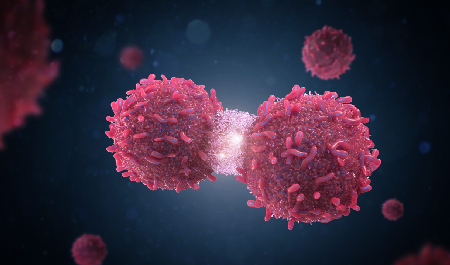
Traditional chemotherapeutic agents act by killing cells that divide rapidly, one of the chief properties of most cancer cells. This means that chemotherapy also harms cells that divide rapidly under normal circumstances i.e. cells in the bone marrow, digestive tract, and hair follicles.

Chemotherapy may use one drug at a time (single-agent chemotherapy) or several drugs at once (combination chemotherapy or polychemotherapy). The combination of chemotherapy and radiotherapy is chemo-radiotherapy.

How Chemotherapy Can Help You?

CT may reduce the size and extent of lesion before radiation therapy or surgery – this strategy is called neoadjuvant chemotherapy.

CT may kill remaining cancer cells, which may not be visible after surgery or radiation therapy — called adjuvant chemotherapy.

Make other therapies (biological or radiation) more effective.

Destroy cancer cells that return or spread to other parts of your body.

Targeted Therapy

Targeted therapy is a type of cancer treatment that targets the specific molecules in cancer cells. These therapies have less side effects, and available in oral form for many cancers.

Hormone Therapy

Hormone therapy is a treatment that slows or stops the growth of breast and prostate cancers that use hormones to grow. All cancers do not respond to hormone treatment.ER and PR positive breast cancers may benefit from hormonal manipulation.

Side Effects of Chemotherapy

Because chemotherapy drugs often can’t distinguish between rapidly dividing cancer cells and rapidly dividing healthy cells, they may cause side effects at the same time that they’re fighting your cancer. For example, some people may experience one or more of the following:

Other Side Effects:

For many people, side effects from chemotherapy lessen or go away completely after chemotherapy is stopped. Because everyone is different, it’s hard to know what your particular experience will be like. Your reaction to chemotherapy will vary depending on the drug, the dose, the combination, and the schedule in which it’s given. For these and other reasons, it’s important to tell us about how you’re doing along the way.

Maintaining your quality of life is one of our priorities. Your cancer care team will review the side effects you may experience from your specific treatment regimen in advance and give you strategies to minimize or manage these symptoms. During treatment, we’ll watch carefully for your reaction to the drugs and adjust the drug or dosage as necessary. We’ll also continue to monitor you for possible long-term effects after your treatment ends

Facilities at RGCIRC

Patient & Family