 My Reports
 RGCIRC, Niti Bagh



Mastectomy Surgery
Overview
A diagnosis of breast cancer often brings difficult decisions, and understanding surgical options is an important part of that journey. For many women, mastectomy surgery plays a vital role in treatment, either as a primary approach to remove cancer from the breast or as a preventive measure in high-risk cases.
At RGCIRC (Rajiv Gandhi Cancer Institute & Research Centre), surgery is performed within a specialised breast oncology framework that combines accurate diagnosis, evidence-based surgical planning, and multidisciplinary expertise. The approach is designed not only to achieve complete tumour removal but also to support long-term recovery, emotional well-being, and, when appropriate, breast reconstruction. With advanced surgical techniques, intraoperative assessment, and integrated oncology support, RGCIRC focuses on delivering safe, comprehensive, and patient-centred mastectomy care in Delhi.
Understanding Breast Surgery
The scope of surgery varies depending on tumour size, location, biological characteristics, and whether there is involvement of nearby lymph nodes. In some cases, lymph node evaluation is performed during the same procedure to assess whether the disease has spread.
Mastectomy is a surgical procedure that involves removal of the entire breast or, in selected cases, most of the breast tissue. It is primarily performed to treat breast cancer, although it may also be considered as a preventive option for women with significantly increased genetic risk.
While breast-conserving surgery remains appropriate for many women, mastectomy is recommended when conservation is unlikely to achieve adequate tumour clearance, when multiple areas of the breast are involved, or when a woman prefers complete removal after understanding all treatment options.
When is Mastectomy necessary?
The decision to recommend a mastectomy is based on a detailed assessment of tumour behaviour, breast involvement, genetic risk, and a woman’s overall treatment goals. While breast-conserving surgery is effective for many patients, mastectomy becomes the more appropriate option in certain clinical situations. Mastectomy may be advised in the following scenarios:
Early-Stage Breast Cancer
In some early-stage cancers, mastectomy may be recommended when the tumour is large relative to breast size, involves multiple areas of the breast, or when achieving clear margins with conservation surgery is unlikely. Some women may also choose mastectomy for personal reassurance after understanding all available options. Early women may opt for mastectomy after appropriate counseling.
Locally Advanced Breast Cancer
When the tumour is extensive or involves surrounding tissues, complete removal of the breast tissue may be necessary as part of a comprehensive treatment plan. In such cases, mastectomy is often preceded systemic treatment.
Recurrent Breast Cancer
Preventive (Prophylactic) Mastectomy in High-Risk Women
Women with a strong family history of breast cancer or confirmed genetic mutations such as BRCA1 or BRCA2 may consider prophylactic mastectomy to significantly reduce future cancer risk. In these situations, genetic counselling and risk assessment play a crucial role in guiding surgical decisions.
By tailoring the surgical approach to tumour biology, genetic risk, and patient priorities, mastectomy is performed with the aim of maximising long-term safety while respecting individual choice.
Types of Mastectomy Surgery Performed at RGCIRC
At RGCIRC, mastectomy procedures are selected based on tumour stage, breast anatomy, genetic risk profile, and individual treatment goals. Each surgical approach is planned within a dedicated breast oncology framework to ensure complete cancer removal while preserving skin, nipple, or surrounding structures whenever oncologically appropriate. Mastectomy surgeries performed at RGCIRC include:
Total (Simple) Mastectomy
This procedure involves removal of the entire breast tissue, including the nipple-areola complex, without extensive removal of underlying muscles. It is commonly recommended for certain early-stage cancers or preventive indications or post BCS recurrence
Modified Radical Mastectomy
In this approach, the entire breast tissue is removed along with evaluation or removal of axillary lymph nodes. It is typically performed when there is confirmed or suspected lymph node involvement.
Skin-Sparing Mastectomy
Skin-sparing mastectomy preserves most of the breast skin while removing internal breast tissue and, when necessary, the nipple. This technique is frequently combined with immediate reconstruction to achieve improved cosmetic outcomes.
Nipple-Sparing Mastectomy
In selected patients where the tumour is not located near the nipple-areola complex, both the breast skin and nipple may be preserved. Careful imaging and intraoperative assessment ensure oncological safety before this approach is chosen.
Robotic-Assisted Nipple Sparing Mastectomy (RNSM
RGCIRC is among the centres offering robotic-assisted nipple sparing mastectomy for carefully selected patients. In this technique, breast tissue is removed through a small incision in the axillary region, leaving no visible scar on the breast mound. The robotic platform enhances surgical precision while preserving breast skin and nipple when oncologically safe, combining effective tumour removal with improved aesthetic outcomes.
Bilateral Mastectomy
Removal of both breasts may be recommended in high-risk women, including those with genetic predisposition, or in selected bilateral cancer cases after comprehensive evaluation.
By offering a spectrum of surgical techniques, including advanced robotic options, RGCIRC ensures that each mastectomy procedure is aligned with both oncological principles and patient-centred goals.
Lymph Node Evaluation During Mastectomy
n addition to removing breast tissue, assessing nearby lymph nodes is an essential part of breast cancer surgery, as it helps determine whether the disease has spread beyond the primary tumour. Lymph node evaluation provides critical staging information and guides decisions regarding additional treatments such as chemotherapy or radiation therapy.
At RGCIRC, lymph node management is carefully tailored to the extent of disease and individual patient factors.
Sentinel Lymph Node Biopsy
The sentinel lymph node is the first lymph node to which breast cancer cells are likely to spread. During this procedure, one or a few key lymph nodes are identified and removed for pathological examination. If these nodes are free of cancer, further lymph node removal may not be necessary, thereby reducing the risk of arm swelling and other complications.
Axillary Lymph Node Dissection
If cancer involvement in the lymph nodes is confirmed or strongly suspected, a more extensive removal of lymph nodes from the axilla (underarm area) may be required. This approach helps achieve better regional disease control and provides more comprehensive staging information.
By integrating precise surgical technique with pathological evaluation, lymph node assessment ensures that mastectomy surgery forms part of a well-informed and coordinated oncology treatment plan.
Breast Reconstruction Options
For many women, mastectomy is not only a cancer treatment decision but also a deeply personal one. Breast reconstruction offers the possibility of restoring breast shape and contour, helping support physical balance as well as emotional wellbeing. At RGCIRC, reconstructive planning is integrated into the overall surgical strategy, ensuring that oncological safety remains the primary priority while aesthetic outcomes are thoughtfully addressed.
Reconstruction may be performed at the same time as mastectomy or at a later stage, depending on clinical factors and patient preference.
Immediate Reconstruction
In immediate reconstruction, breast reconstruction is performed during the same operation as the mastectomy. This approach allows preservation of breast skin in selected cases and may reduce the number of surgeries required. It is considered when oncological assessment supports safety and when no immediate contraindications exist.
Delayed Reconstruction
Delayed reconstruction is performed after completion of cancer treatment, particularly when post-operative radiation therapy is anticipated. This staged approach allows the primary cancer treatment to take priority while keeping reconstruction as a planned next step.
Implant-Based Reconstruction
Implant-based reconstruction involves the placement of silicone or saline implants to restore breast contour following mastectomy. This approach is generally suitable for women who have adequate preserved skin and do not require extensive tissue replacement.
Autologous (Flap-Based) Reconstruction
In flap-based reconstruction, tissue from another part of the body, such as the abdomen, back, or thigh, is used to reconstruct the breast. This approach may offer a more natural feel and is often recommended when a larger volume of tissue needs to be replaced.
Oncoplastic Integration
In selected cases, reconstructive techniques are combined with oncological surgery to optimise both tumour removal and cosmetic outcome. This integrated approach ensures that cancer treatment and reconstruction are planned together rather than sequentially.
By offering multiple reconstructive pathways within a dedicated breast oncology setting, RGCIRC supports informed decision-making and individualised surgical care.
Multidisciplinary Breast Tumour Board Planning
At RGCIRC, surgery is guided by a structured Breast Tumour Board to ensure that every treatment decision is carefully reviewed before and after the procedure. This collaborative approach allows surgery, reconstruction, and systemic therapy to be aligned within a single, coordinated care pathway. The planning process includes:
Pre-Surgical Case Review
Genetic and Risk-Based Assessment
For women with a strong family history or suspected hereditary risk, genetic evaluation is incorporated into the planning process. BRCA and related testing results may influence decisions regarding bilateral or preventive mastectomy.
Post-Surgical Pathology Review
After surgery, final pathology findings are reassessed in the tumour board setting. Based on margin status, lymph node involvement, and tumour characteristics, additional therapy such as chemotherapy, hormonal therapy, targeted therapy, or radiation may be recommended.
By integrating surgical planning with coordinated oncology review, surgery at RGCIRC becomes part of a comprehensive and personalised treatment journey.
Pre-Surgical Preparation
Thorough preparation before surgery helps ensure surgical safety, informed decision-making, and smoother recovery. At RGCIRC, pre-operative evaluation is structured to address medical readiness, oncological planning, and individual risk factors. The preparation process typically includes:
Imaging and Biopsy Confirmation
Medical and Anaesthesia Assessment
A comprehensive medical evaluation is conducted to assess overall fitness for surgery. Anaesthesia specialists review medical history, medications, and existing health conditions to minimise perioperative risks.
Genetic Risk Assessment and BRCA Testing
For women with a strong family history or early-onset breast cancer, genetic counselling and BRCA testing may be advised. The results of genetic evaluation can significantly influence decisions regarding bilateral or preventive mastectomy.
Counselling and Emotional Preparation
Mastectomy is both a medical and emotional decision. Pre-surgical counselling helps patients understand surgical options, reconstruction pathways, recovery expectations, and long-term follow-up, allowing them to proceed with clarity and confidence.
Through structured evaluation and coordinated planning, pre-surgical preparation ensures that treatment is tailored to both clinical needs and personal priorities.
Post-Surgical Recovery and Rehabilitation
Recovery after surgery is a gradual process that focuses on healing, mobility, and emotional adjustment. At RGCIRC, post-operative care is structured to support both physical recovery and long-term wellbeing. The recovery phase includes:
Hospital Stay and Monitoring
Following surgery, patients are closely monitored to ensure stable recovery. Vital signs, wound condition, and surgical sites are regularly assessed, and pain management is provided to maintain comfort.
Drain Care and Wound Management
Arm Mobility and Physiotherapy
Scar Care and Body Image Support
Type of Cancer Treatment Includes

Surgical Risks and Patient Safety Protocols at RGCIRC
Bleeding and Infection
Seroma Formation
Lymphoedema
Sensory Changes
Temporary numbness or altered sensation around the chest wall or underarm area may occur due to nerve handling during surgery. In many cases, sensation gradually improves over time.
By combining experienced surgical expertise with structured safety protocols, mastectomy at RGCIRC is performed within a carefully supervised and patient-focused environment.
Our Team of Experts


Why Choose RGCIRC for Breast Surgery in Delhi?
Choosing the right centre for breast surgery is not only about surgical expertise but also about coordinated oncology care, reconstruction planning, and long-term support. At RGCIRC (Rajiv Gandhi Cancer Institute & Research Centre), mastectomy surgery is delivered within a dedicated breast oncology programme designed to combine clinical precision with compassionate care. The strengths of treatment at RGCIRC include:
Dedicated Breast Oncosurgical Team
Robotic and Advanced Surgical Expertise
Integrated Genetic and Reconstruction Services
Comprehensive Cancer Care Under One Roof
From diagnosis and surgery to chemotherapy, radiation therapy, rehabilitation, and survivorship monitoring, care is delivered in a coordinated and structured manner. This integrated model ensures continuity, clarity, and personalised treatment at every stage.
By combining surgical expertise, technological capability, and multidisciplinary planning, RGCIRC provides mastectomy care that addresses both disease control and long-term wellbeing.
Recovery and Long-Term Follow-Up
Healing after breast continues beyond the immediate post-operative period, and structured follow-up plays an important role in maintaining long-term health. At RGCIRC, recovery is supported through scheduled surveillance, rehabilitation guidance, and ongoing oncology review to ensure continuity of care.
Long-term follow-up typically includes:
Related Blogs
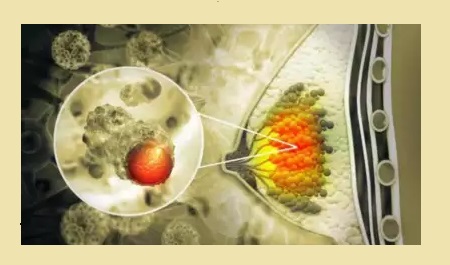
Breast Cancer Surgery: Procedure, Recovery, Cost, Risk & Complication
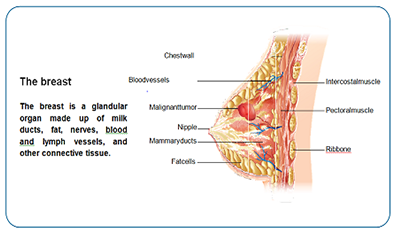
Breast Cancer Surgery Doesn’t Have To Be Hard. Read These Tips
Mastectomy: What It Is, Risks, Benefits, Treatment and Procedure
Scheduled Surveillance Visits
Rehabilitation and Physiotherapy Continuity
Monitoring for Recurrence and Late Effects
Survivorship and Wellness Support
A Step Towards Healing and Confidence
Undergoing a mastectomy is not only a medical decision but also a deeply personal journey. While the procedure is performed to achieve effective cancer control, recovery often involves rebuilding strength, adapting to physical changes, and regaining confidence over time. With the right clinical guidance and emotional support, many women move forward with renewed clarity and resilience.
At RGCIRC, The focus remains not only on treating the disease but also on helping each woman reclaim comfort, confidence, and control over her health.
To consult a breast cancer specialist or learn more about mastectomy surgery at RGCIRC, simply call +91-11-47022222.
Frequently Asked Questions
What stage of breast cancer requires a mastectomy?
Mastectomy may be recommended at various stages depending on tumour size, breast involvement, genetic risk, and patient preference. It is commonly advised when the tumour is large relative to breast size, involves multiple areas, or when clear margins cannot be achieved with breast-conserving surgery.
Is mastectomy a major surgery?
Yes, mastectomy is considered a major surgical procedure; however, it is routinely performed by specialised breast oncosurgeons. The extent of surgery varies depending on whether lymph nodes are evaluated and whether reconstruction is performed.
How long does it take to recover from a mastectomy?
Initial recovery typically takes a few weeks, although full return to normal activity may take longer depending on the type of surgery and reconstruction. Arm mobility exercises and follow-up care support gradual recovery.
What are the possible effects of radiation therapy after mastectomy?
When radiation therapy is required, temporary skin irritation, fatigue, or mild discomfort may occur. These effects are typically manageable and monitored by the oncology team.
Will I need to stay in the hospital after a mastectomy?
Most patients require a short hospital stay for monitoring, particularly if lymph node surgery or reconstruction has been performed. The duration depends on the complexity of the procedure and overall recovery.
Can I choose to have breast reconstruction after a mastectomy?
Yes. Reconstruction may be performed immediately during the same surgery or at a later stage. The timing depends on clinical factors and personal preference.
How does mastectomy affect the risk of breast cancer recurrence?
Mastectomy significantly reduces the risk of cancer recurring in the treated breast. However, continued follow-up is essential to monitor overall health and detect any new concerns early.
Will I still need regular breast cancer screening after a mastectomy?
Follow-up care remains important after mastectomy. While routine screening of the removed breast is not required, surveillance of the opposite breast and regular clinical examinations are recommended.
What lifestyle changes are recommended after mastectomy?
Maintaining a balanced diet, engaging in appropriate physical activity, and avoiding tobacco use can support recovery and overall health. Your medical team may provide personalised guidance based on your treatment plan.
What are the long-term effects of mastectomy surgery?
Some women may experience changes in sensation, mild stiffness, or emotional adjustment related to body image. Structured rehabilitation and supportive counselling help address these long-term considerations.
Where can I get mastectomy surgery near me in Delhi?
Mastectomy surgery should be performed at a specialised cancer centre with dedicated breast oncology expertise. In Delhi, RGCIRC offers comprehensive mastectomy care supported by advanced surgical techniques, reconstruction options, and multidisciplinary planning.