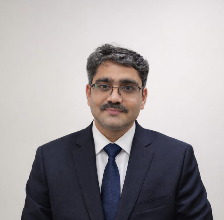
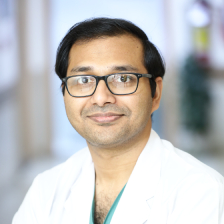
Prostate cancer is one of the most commonly diagnosed cancers among men, especially older men. While receiving the news that you or someone you love has been diagnosed with prostate cancer can be overwhelming, it is important to remember that with early detection, expert care, and the right treatment approach, outcomes can be highly positive and manageable. At RGCIRC (Rajiv Gandhi Cancer Institute & Research Centre), our team of prostate cancer specialists combines multi-faceted expertise across urology, medical oncology, radiation oncology, and advanced surgical techniques, to deliver comprehensive, evidence-based care, tailored to the stage and biology of the disease, as well as the patient’s overall health and preferences. Whether it is minimally invasive robotic surgery, precision radiation therapy, or systemic therapies, our goal is to achieve the best possible outcomes while preserving quality of life.
Who is a Prostate Cancer Specialist?
A prostate cancer specialist is a doctor specialised in diagnosing, treating, and managing cancers of the prostate gland. Unlike general practitioners, these specialists are trained to understand the complexities of prostate cancer, its progression, risk factors, and the wide range of treatment options available at different stages of the disease.
At RGCIRC, prostate cancer specialists are often part of a multidisciplinary team that works together to deliver comprehensive care. This includes experts in urology, medical oncology, radiation oncology, radiology, and pathology, with each contributing their specialised knowledge to ensure accurate diagnosis and personalised treatment planning.
Beyond clinical expertise, these specialists also play a crucial role in helping patients and their families understand the condition, make informed decisions, and navigate the emotional and physical aspects of cancer treatment.
What Does a Prostate Cancer Specialist Do?
A prostate cancer specialist plays a central role in every stage of a patient’s care journey—from initial evaluation to treatment and long-term follow-up. Their primary responsibility is to ensure that each patient receives an accurate diagnosis and a treatment plan tailored to the specific characteristics of their cancer and overall health.
The process typically begins with a detailed assessment, including reviewing symptoms, medical history, and screening results such as PSA levels. If prostate cancer is suspected, the specialist may recommend further investigations like imaging scans or a biopsy to confirm the diagnosis and determine the stage and aggressiveness of the disease.
Once a diagnosis is established, the specialist develops a personalised treatment strategy. This involves carefully weighing multiple factors, including the stage of cancer, risk category, patient age, existing health conditions, and individual preferences. The goal is not only to treat the cancer effectively but also to preserve quality of life.
Types of Doctors Who Treat Prostate Cancer
Prostate cancer care often involves a team of specialists, each contributing their expertise at different stages of diagnosis and treatment. This multidisciplinary approach ensures that patients receive comprehensive, well-coordinated care tailored to their specific condition
Urologists
Urologists are often the first specialists involved in prostate cancer care. They diagnose prostate conditions, perform biopsies, and manage early-stage disease. They are also trained in surgical treatments, including prostatectomy (removal of the prostate gland), often using minimally invasive or robotic-assisted techniques.
Radiation Oncologists
Radiation oncologists specialise in treating cancer using high-energy radiation. They design and deliver precise radiation therapy plans to target cancer cells while minimising damage to surrounding healthy tissues. This treatment may be used as a primary option or in combination with other therapies.
Medical Oncologists
Medical oncologists manage cancer using systemic treatments such as hormone therapy, chemotherapy, targeted therapy, and immunotherapy. They play a key role in treating advanced or high-risk prostate cancer and in managing cancer that has spread beyond the prostate.
Radiologists & Pathologists
Radiologists and pathologists are essential for accurate diagnosis and staging. Radiologists interpret imaging studies such as MRI, CT scans, and PET scans to assess the extent of the disease. Pathologists examine biopsy samples under a microscope to confirm cancer, determine its grade, and provide critical information that guides treatment decisions.
At RGCIRC, these specialists work together as a coordinated team, ensuring that every patient benefits from a comprehensive evaluation and a personalised treatment plan.
What are the Treatment Options for Prostate Cancer?
Prostate cancer can present in different ways depending on how quickly it grows and whether it remains within the prostate or spreads beyond it. Many early-stage cases cause no noticeable symptoms, and changes may appear gradually, often resembling common urinary or prostate conditions. Recognising these signs can help guide timely evaluation. Here are some common signs and symptoms to watch for:
Radiation Therapy
Radiation therapy uses high-energy beams to destroy cancer cells. It may be delivered externally (external beam radiation therapy) or internally (brachytherapy). This option is often used as a primary treatment or in combination with other therapies, depending on the stage of the disease.
Hormone Therapy
Hormone therapy, also called androgen deprivation therapy (ADT), works by reducing or blocking male hormones (androgens) that fuel the growth of prostate cancer. It is commonly used in advanced or high-risk cases, often alongside radiation therapy.
Targeted Therapy & Immunotherapy
These advanced treatments focus on specific characteristics of cancer cells or help the body’s immune system recognise and attack cancer. They are typically recommended in selected cases, particularly when the cancer is advanced or resistant to standard treatments.
Chemotherapy
Chemotherapy uses drugs to destroy rapidly growing cancer cells and is generally used in more advanced stages of prostate cancer or when the disease no longer responds to hormone therapy.
Active Surveillance
For slow-growing, low-risk prostate cancers, immediate treatment may not be necessary. Active surveillance involves closely monitoring the cancer through regular PSA tests, imaging, and biopsies, allowing patients to avoid or delay treatment-related side effects while ensuring timely intervention if the disease progresses.
Palliative and Supportive Care
In addition to curative treatments, prostate cancer specialists also focus on improving quality of life. Palliative care helps manage symptoms such as pain, fatigue, and treatment side effects, ensuring patients remain as comfortable and supported as possible throughout their journey.
At RGCIRC, treatment plans are carefully designed through a multidisciplinary approach, ensuring that patients benefit from the latest medical advancements while receiving compassionate, holistic care.
What’s the Difference Between a Urologist and a Prostate Cancer Specialist?
A urologist specialises in the urinary tract and male reproductive system, which includes the prostate gland. They are often the first point of contact when symptoms such as urinary difficulties arise and play a key role in diagnosing prostate conditions, including prostate cancer. Urologists also perform procedures such as prostate biopsies and surgeries such as prostatectomy.
A prostate cancer specialist, on the other hand, is a broader term that refers to a doctor with expertise in managing prostate cancer. This may include urologists, but also extends to medical oncologists, radiation oncologists, radiologists, and pathologists who work together to provide comprehensive cancer care.
In essence, while a urologist may diagnose and surgically treat prostate cancer, a prostate cancer specialist (or specialist team) focuses on the entire continuum of care, from diagnosis and staging to advanced treatments, follow-up, and survivorship support.
At RGCIRC, patients benefit from this multidisciplinary approach, where urologists collaborate closely with oncology specialists to ensure that every aspect of care is aligned, personalised, and focused on achieving the best possible outcomes.
When Should You Consult a Prostate Cancer Specialist at RGCIRC?
While some prostate cancers may not cause noticeable symptoms in the early stages, certain changes should not be ignored, especially in men over the age of 50 or those with a family history of the disease. You should consider consulting a prostate cancer specialist at RGCIRC if you experience:
Frequent Urination: An increased need to urinate, particularly during the night, can be an early indicator of prostate-related issues.
Difficulty in Urination: Struggling to start or stop urination, weak urine flow, or a feeling of incomplete emptying may signal prostate enlargement or other concerns that require evaluation.
Blood in Urine or Semen: The presence of blood in urine or semen is not normal and should always be investigated promptly.
Erectile Dysfunction: While erectile dysfunction can have multiple causes, in some cases it may be linked to underlying prostate conditions.
Pelvic Discomfort: Persistent pain or discomfort in the pelvic area, lower back, or hips may indicate a more advanced condition and should not be overlooked.
Unexplained Weight Loss: Sudden or unexplained weight loss can be a sign of various health issues, including advanced cancer, and warrants immediate medical attention.
Early consultation allows specialists to conduct appropriate screenings, recommend diagnostic tests, and initiate timely intervention if needed. Even if symptoms turn out to be non-cancerous, getting evaluated provides clarity and peace of mind, ensuring your overall urological health is well managed.
Why Choose a Prostate Cancer Specialist at RGCIRC in Delhi?
Choosing the right specialist is one of the most important decisions in the cancer care journey. At RGCIRC, cancer care is guided by three core guiding principles: ethics, empathy, and excellence, ensuring that every patient receives not just advanced treatment, but also respect, understanding, and trust.
Ethics
Ethics form the foundation of every clinical decision at RGCIRC. Treatment recommendations are evidence-based, transparent, and always aligned with the patient’s best interests. Patients and their families are empowered with clear, honest information, enabling them to make informed choices about their care without confusion or pressure.
Empathy
Empathy is central to the way care is delivered. A prostate cancer diagnosis can bring emotional, physical, and psychological challenges; not just for patients, but for their loved ones as well. At RGCIRC, the care team takes the time to listen, address concerns, and provide reassurance at every stage, creating a supportive environment where patients feel heard and cared for.
Excellence
Excellence is reflected in the institute’s multidisciplinary expertise and advanced medical infrastructure. From accurate diagnosis to cutting-edge treatments such as robotic surgery and precision radiation therapy, RGCIRC is committed to achieving the best possible clinical outcomes while preserving quality of life.
Together, these values ensure that patients at RGCIRC receive comprehensive, compassionate, and world-class care, making it a trusted institute for prostate cancer treatment in Delhi.
Take the First Step Towards Expert Care
If you or a loved one is experiencing symptoms or has been diagnosed with prostate cancer, seeking timely expert care can make all the difference. At RGCIRC, our team of experienced prostate cancer specialists is here to guide you through every stage, from diagnosis to treatment and beyond, with clarity, compassion, and clinical excellence. Reach out today to schedule a consultation and take the first step towards world-class cancer care.
OPD Hours: Monday to Saturday, 9:00 AM to 5:00 PM | Emergency Services: 24×7 at both campuses
Frequently Asked Questions (FAQs)
Q. Is prostate cancer curable if detected early?
Yes, prostate cancer is often highly treatable and even curable when detected early, especially if it is localised and has not spread beyond the prostate.
Q. What tests are used to diagnose prostate cancer?
Common tests used to diagnose prostate cancer include PSA (Prostate-Specific Antigen) blood tests, digital rectal examination (DRE), imaging scans such as MRI, and a prostate biopsy to confirm the diagnosis.
Q. How long does prostate cancer treatment take?
The duration varies based on the treatment type. Some treatments, like surgery, may involve a shorter active phase with recovery time, while others like radiation or hormone therapy may continue over weeks or months.
Q. Can prostate cancer be treated without surgery?
Yes, many cases can be managed without surgery using options such as active surveillance, radiation therapy, or hormone therapy, depending on the stage and patient condition.
Q. What is the survival rate of prostate cancer?
Prostate cancer generally has a high survival rate, especially when diagnosed early. Many patients live long, healthy lives after treatment.
Q. How can I find the best prostate cancer specialist near me?
Look for a reputed cancer centre with a multidisciplinary team, experienced specialists, advanced technology, and a strong track record in cancer care, such as RGCIRC in Delhi.
Q. Are online consultations available for prostate cancer specialists?
Yes, many cancer centres, including RGCIRC, offer online consultations to help patients access expert advice, especially for initial opinions or follow-ups.
Q.What is the cost of prostate cancer treatment in Delhi?
The cost varies depending on the type of treatment, stage of cancer, hospital facilities, and duration of care. A detailed estimate is usually provided after evaluation by a specialist.
Q. Can young men get prostate cancer?
While prostate cancer is more common in older men, it can occur in younger men as well, especially if there is a family history or genetic predisposition.
 My Reports
 RGCIRC, Niti Bagh