 My Reports
 RGCIRC, Niti Bagh



Prostate Cancer Surgery
Overview
A diagnosis of prostate cancer can raise many questions about treatment, recovery, and long-term quality of life. For men with cancer that is confined to the prostate or has spread only to nearby tissues, surgery is often one of the most effective treatment options and may offer the possibility of a cure.
At RGCIRC, prostate cancer surgery has been performed since the Department of Uro-Oncology opened in 1996. The institute introduced radical prostatectomy to the private sector in India in December 1996 and has since developed one of the most comprehensive and experienced prostate cancer surgical programmes in the country.
What is Prostate Cancer Surgery?
Prostate cancer surgery is a procedure to remove the prostate gland as a treatment for prostate cancer. In some cases, nearby lymph nodes may also be removed. The goal of surgery is to remove all visible cancer and offer the best possible chance of cure.
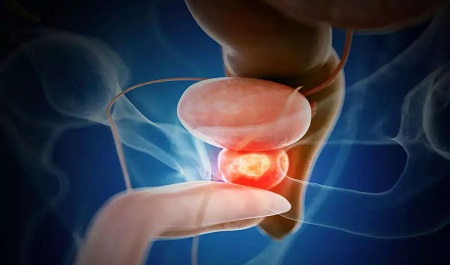
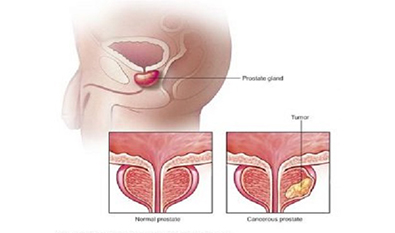
The prostate is a small gland located below the bladder that helps produce seminal fluid. When cancer develops in the prostate, it can grow into nearby tissues and eventually spread to other parts of the body if left untreated. Surgery aims to remove the cancer before this happens or while it is still confined to the prostate region.
Prostate cancer surgery is most commonly recommended for men with localised or locally advanced disease who are fit enough for surgery and expected to benefit from long-term cancer control. In addition to treating the cancer, surgery provides detailed information about the extent and aggressiveness of the disease, helping doctors determine whether any additional treatment is required.
At RGCIRC, every prostate cancer case is reviewed by the Uro-Oncology Multidisciplinary Tumour Board. The decision to proceed with surgery is based on several factors, including PSA levels, Gleason score, cancer stage, overall health, age, and the patient’s treatment goals and preferences.
Type of Cancer Treatment Includes

Types of Prostate Cancer Surgery
Radical prostatectomy is the main surgical treatment for prostate cancer. During the procedure, the entire prostate gland is removed to eliminate the cancer. In some patients, nearby pelvic lymph nodes may also be removed to check whether the disease has spread.
At RGCIRC, prostate cancer surgery can be performed using different techniques. The most suitable approach is chosen based on the stage of cancer, the patient’s overall health, and the complexity of the procedure.
Robotic-Assisted Radical Prostatectomy
Robotic-assisted surgery is the most advanced and most commonly performed approach at RGCIRC. Using the da Vinci Surgical System or the SSI Mantra robotic platform, surgeons operate through small incisions with a magnified 3D view and highly precise instruments.
This approach is associated with less blood loss, smaller scars, shorter hospital stays, and faster recovery compared to traditional open surgery. RGCIRC also offers Retzius-sparing robotic prostatectomy, an advanced technique that helps preserve the structures responsible for urinary control and may support faster recovery of continence after surgery.
RGCIRC has been recognised as an epicentre for robotic surgery training in India, reflecting its experience and expertise in robotic prostate cancer surgery.
Laparoscopic Radical Prostatectomy
Laparoscopic prostatectomy is a minimally invasive procedure performed through small incisions using specialised instruments. It offers many of the benefits of minimally invasive surgery, including reduced pain, smaller scars, and quicker recovery compared to open surgery. It may be recommended for selected patients based on their clinical needs.
Open Radical Prostatectomy
Open prostatectomy is performed through a single incision in the lower abdomen. While robotic and laparoscopic techniques are now preferred in many cases, open surgery remains an important option for some patients, particularly those with more complex or locally advanced cancers.
Pelvic Lymph Node Dissection (PLND)
In patients with an increased risk of cancer spread, the surgeon may remove nearby pelvic lymph nodes during prostate surgery. This helps determine whether the cancer has spread beyond the prostate and can also help remove any affected lymph nodes.
When is Prostate Cancer Surgery Recommended?
Prostate cancer surgery is most often recommended when the cancer is confined to the prostate or has spread only to nearby tissues. The goal is to remove the cancer completely and provide the best possible chance of long-term cancer control. Whether surgery is the right option depends on the stage of the cancer, its aggressiveness, and the patient’s overall health.
Localised Prostate Cancer
Surgery is one of the most effective treatment options for prostate cancer that is confined to the prostate gland. In suitable patients, radical prostatectomy can offer the possibility of cure. For some men with low-risk disease, active surveillance may also be considered. This involves regular monitoring with PSA tests, imaging, and biopsies instead of immediate treatment.
Locally Advanced Prostate Cancer
Surgery may also be recommended when the cancer has grown beyond the prostate but has not spread to distant organs. In these cases, prostatectomy is often combined with other treatments such as radiation therapy or hormone therapy to improve outcomes.
High-Risk Prostate Cancer
Men with high-risk prostate cancer, such as those with a high PSA level, high Gleason score, or more advanced disease, may benefit from surgery as part of a comprehensive treatment plan. RGCIRC performs robotic radical prostatectomy for high-risk and locally advanced prostate cancer, with outcomes published in peer-reviewed medical literature.
Recurrent Prostate Cancer After Radiation Therapy
In selected patients whose cancer returns after radiation treatment, salvage radical prostatectomy may be an option. This specialised procedure is offered at RGCIRC for carefully selected patients with localised recurrence.
Factors That Influence the Decision for Surgery
The decision to proceed with surgery is based on several factors, including:
- PSA level at diagnosis
- Gleason score and cancer grade
- Extent of cancer on imaging and biopsy
- Age and life expectancy
- Overall health and fitness for surgery
- Personal preferences regarding treatment and potential side effects
At RGCIRC, every case is reviewed by a multidisciplinary team to ensure each patient receives the most appropriate treatment recommendation.
How is Prostate Cancer Surgery Performed?
Understanding the steps involved in prostate cancer surgery can help patients and caregivers prepare for treatment and recovery.
Before Surgery
Before the procedure, the surgical team reviews PSA levels, biopsy findings, MRI scans, and other relevant investigations. This assessment helps determine the most appropriate surgical approach and whether lymph node removal may also be required. The surgery is performed under general anaesthesia, and the patient remains asleep throughout the procedure.
Removal of the Prostate
During a radical prostatectomy, the surgeon removes the entire prostate gland along with the seminal vesicles. Once the prostate is removed, the bladder is reconnected to the urethra to restore the normal flow of urine. A urinary catheter is temporarily placed to support healing during the recovery period.
Nerve-Sparing Surgery
The nerves responsible for erectile function run close to the prostate gland. When the location and extent of the cancer allow, nerve-sparing techniques may be used to preserve one or both nerve bundles. The decision is made based on cancer characteristics, with complete cancer removal remaining the primary goal.
Pelvic Lymph Node Removal
For patients with an increased risk of cancer spread, nearby pelvic lymph nodes may be removed during the same operation. These lymph nodes are examined to determine whether the cancer has spread beyond the prostate and to help guide any additional treatment if required.
How Long Does the Surgery Take?
Prostate cancer surgery typically takes between two and four hours, depending on the complexity of the case and whether lymph node removal is performed. Patients remain under general anaesthesia throughout the procedure.
Our Team of Experts




Risks and Side Effects of Prostate Cancer Surgery
Like any major operation, prostate cancer surgery carries certain risks and potential side effects. Most are temporary and improve with time, while others may require additional treatment or rehabilitation. Before surgery, the team at RGCIRC discusses these risks in detail and develops an individualised recovery plan for each patient.
Urinary Incontinence
Temporary urinary leakage is common after prostate cancer surgery and usually improves over the weeks and months following the procedure. Most patients gradually regain good bladder control as healing progresses. RGCIRC offers the Retzius-sparing robotic approach, which is associated with faster recovery of urinary continence in suitable patients. Persistent urinary control problems are uncommon and can often be managed with pelvic floor rehabilitation and other treatments.
Erectile Dysfunction
Changes in erectile function can occur after prostate cancer surgery, particularly when the nerves surrounding the prostate are affected by the cancer or cannot be preserved safely. When appropriate, nerve-sparing techniques are used to help protect erectile function. Recovery is gradual and may take several months to two years. RGCIRC also offers penile rehabilitation programmes to support recovery after surgery.
Bleeding
Some blood loss is expected during surgery. However, minimally invasive techniques such as robotic and laparoscopic prostatectomy are associated with less bleeding and a lower likelihood of blood transfusion compared with traditional open surgery.
Infection
As with any surgical procedure, there is a small risk of infection, including wound infections, urinary tract infections, or chest infections. These risks are reduced through careful surgical techniques, infection control measures, and appropriate post-operative care.
Blood Clots
Major pelvic surgery can increase the risk of blood clots in the legs or lungs. Preventive measures, including compression devices, early mobilisation, and medication when required, are routinely used to minimise this risk.
Other Possible Complications
Less common complications include injury to nearby organs such as the bladder, ureters, or rectum, leakage at the surgical join between the bladder and urethra, and leg swelling following lymph node removal. These risks are uncommon and are discussed in detail during the pre-operative consultation.
Recovery After Prostate Cancer Surgery
Recovery after prostate cancer surgery varies from person to person and depends on the surgical approach used. Most patients are encouraged to start walking soon after surgery to support healing and reduce the risk of complications.
Hospital Stay
After robotic radical prostatectomy, most patients stay in the hospital for two to three days. Following open prostatectomy, the hospital stay is typically four to five days. During this time, pain is managed, recovery is monitored, and patients are gradually encouraged to resume normal movement.
Catheter Care
A urinary catheter is usually required after surgery and remains in place for one to two weeks while the surgical connection between the bladder and urethra heals. Before discharge, the nursing team provides guidance on catheter care and answers any questions related to recovery at home.
Pain Management and Rehabilitation
Pain after robotic prostatectomy is generally mild to moderate and usually improves significantly within the first week. Once the catheter is removed, pelvic floor exercises may be recommended to help strengthen the muscles involved in urinary control and support continence recovery.
Returning to Normal Activities
Most patients can return to light daily activities and desk-based work within two to four weeks after robotic prostatectomy. Strenuous exercise and heavy lifting are usually avoided for about six weeks. Driving can generally be resumed once the catheter has been removed and recovery is progressing well.
Follow-Up Care
Regular follow-up appointments are an important part of recovery. PSA testing is used to monitor treatment success after surgery and to detect any signs of recurrence at an early stage. Follow-up also includes assessment of urinary control, erectile function recovery, and the need for any additional treatment. At RGCIRC, patients receive structured long-term follow-up coordinated by the multidisciplinary uro-oncology team.
Related Blogs

How Many Types of Prostate Cancer Treatment is Available?
How can Early-Stage Treatment Help Prostate Cancer Patients?
Why Choose RGCIRC for Prostate Cancer Surgery?
Successful prostate cancer surgery depends on surgical expertise, advanced technology, multidisciplinary care, and long-term follow-up. At RGCIRC, patients benefit from one of India’s most experienced prostate cancer surgery programmes.
Pioneer in Prostate Cancer Surgery
RGCIRC’s Department of Uro-Oncology has been performing prostate cancer surgery since 1996. Dr Sudhir Kumar Rawal introduced Radical Prostatectomy to the private healthcare sector in India and played a key role in performing the country’s first Perineal Radical Prostatectomy and High-Intensity Focused Ultrasound (HIFU) for prostate cancer. This legacy continues to shape the institute’s approach to prostate cancer care today.
Advanced Robotic Surgery Expertise
RGCIRC performs robotic radical prostatectomy using both the da Vinci Surgical System and the SSI Mantra robotic platform. The institute has been designated an epicentre for robotic surgery training in India, reflecting its high surgical volumes and expertise. Advanced techniques such as Retzius-sparing robotic prostatectomy are routinely performed to support faster recovery of urinary continence in suitable patients.
Access to HIFU Treatment
For selected patients with organ-confined prostate cancer, RGCIRC offers High-Intensity Focused Ultrasound (HIFU), a non-invasive treatment that destroys cancer cells without incisions. RGCIRC was the first exclusive cancer centre in India to offer this technology for prostate cancer treatment.
Multidisciplinary Cancer Care
Every prostate cancer case is reviewed by the Uro-Oncology Multidisciplinary Tumour Board. Uro-oncological surgeons, medical oncologists, radiation oncologists, radiologists, and pathologists work together to develop a personalised treatment plan and determine the most appropriate treatment approach.
Comprehensive Recovery and Follow-Up
Care at RGCIRC extends beyond surgery. Patients receive access to pelvic floor rehabilitation, penile rehabilitation programmes, structured PSA monitoring, and coordinated oncology support whenever additional treatment is required.
Recognised Quality and Excellence
RGCIRC holds NABH (5th Edition) and NABL accreditations, along with Green OT and Nursing Excellence certifications. The institute has also been recognised among the World’s Best Specialised Hospitals by Newsweek (2024 and 2025), ranked No. 1 in North India among single-specialty hospitals by The Times of India (2025), and awarded Best Oncology Hospital of the Year 2026 by the IHW Council.
Commitment to Accessible Cancer Care
As a not-for-profit institution, RGCIRC provides financial assistance and subsidised treatment support for eligible patients through its Philanthropy Department, helping make specialist cancer care more accessible.
Book a Consultation at RGCIRC
If you have been diagnosed with prostate cancer or have received a surgical recommendation and wish to discuss your options, our Uro-Oncology team is available for consultation and second opinions at both the Rohini and Niti Bagh campuses.
To book an appointment, simply call +91-11-4702 2222 (Rohini) / +91-11-4582 2222 (Niti Bagh, South Delhi) Book online at care.rgcirc.org | Download the RGCI Care app on iOS and Android
OPD Hours: Monday to Saturday, 9:00 AM to 5:00 PM | Emergency Services: 24×7 at both campuses
Frequently Asked Questions (FAQs)
Can prostate cancer return after prostate removal surgery?
Yes, recurrence is possible after radical prostatectomy, which is why structured PSA monitoring after surgery is essential. A rise in PSA after surgery, called biochemical recurrence, indicates residual or returning cancer and triggers further evaluation for salvage radiation therapy or other treatment. The risk of recurrence depends on the pathological stage, Gleason grade, surgical margin status, and lymph node findings from the surgery.
How serious is prostate cancer surgery?
Radical prostatectomy is a major surgical procedure under general anaesthesia that carries real risks, including urinary incontinence, erectile dysfunction, bleeding, and infection. At RGCIRC, robotic-assisted prostatectomy reduces many of the risks associated with open surgery, including blood loss and recovery time, while maintaining oncological precision. The procedure is well-established with decades of outcomes data supporting its safety in experienced hands.
How long is recovery after prostate cancer surgery?
Most patients who have robotic prostatectomy are discharged within two to three days, with the urinary catheter removed one to two weeks later. Light activity and desk-based work can typically be resumed within two to four weeks. Urinary continence recovery takes weeks to months in most patients. Erectile function recovery after nerve-sparing surgery may take up to one to two years.
How long does prostate cancer surgery take?
Robotic radical prostatectomy at RGCIRC typically takes between two and four hours depending on the complexity of the case and whether pelvic lymph node dissection is performed. Patients are under general anaesthesia throughout and monitored closely by the anaesthesiology team.
Can prostate cancer surgery cure Stage 1 and Stage 2 prostate cancer?
Yes. Radical prostatectomy is performed with curative intent for Stage 1 and Stage 2 prostate cancer. Patients treated with radical prostatectomy with adjuvant therapy achieve a 75% five-year survival rate, with outcomes significantly better for patients with localised disease treated at the earliest stages. Complete surgical removal with clear margins offers the highest probability of long-term cure for eligible patients.
Do I need chemotherapy or radiation after prostate cancer surgery?
Not necessarily. If the surgical pathology confirms that the cancer has been completely removed, with clear margins and no lymph node involvement, additional treatment may not be required. In such cases, patients are monitored through regular PSA testing.
However, if high-risk features are identified, such as positive surgical margins, seminal vesicle involvement, lymph node involvement, or a subsequent rise in PSA levels, radiation therapy with or without hormone therapy may be recommended. The need for any additional treatment is determined through multidisciplinary review at RGCIRC.
Can the prostate grow back after surgery?
No. During a radical prostatectomy, the entire prostate gland is removed and cannot grow back.
However, in some cases, microscopic prostate cancer cells may remain in the body after surgery. These cells can continue to grow over time and may cause PSA levels to rise. This is why regular PSA monitoring is an important part of follow-up care after prostate cancer surgery. An undetectable PSA level usually indicates successful removal of the cancer, while a detectable or rising PSA level may require further evaluation.
What are the risks of delaying prostate cancer surgery?
For men with localised or locally advanced prostate cancer who have been advised to undergo surgery, delaying treatment may allow the cancer to grow or spread beyond the prostate. Over time, the disease may involve nearby lymph nodes or spread to other parts of the body, which can reduce treatment options and the likelihood of cure.
However, not all prostate cancers require immediate surgery. For some men with low-risk disease, active surveillance may be a safe and appropriate approach. This involves regular monitoring with PSA tests, imaging, and other assessments to detect any signs of progression.
At RGCIRC, the decision between surgery and active surveillance is made on an individual basis after careful evaluation of the patient’s cancer characteristics, overall health, and risk profile.