RGCIRC Team

Oncology

17 February, 2026

The following measures are general preventive recommendations intended for awareness purposes only. Cancer patients may have varying medical conditions and treatment plans; therefore, they should always consult their treating oncologist or healthcare provider before making any changes to their daily routine, diet, or protective practices during the smog season.

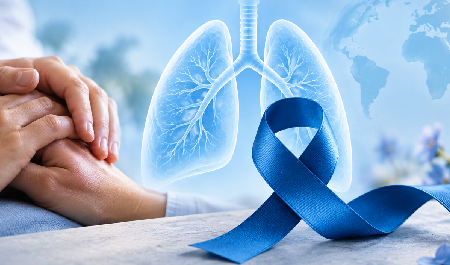
As the smog season sets in, the air becomes thick with pollutants that can pose serious health risks, especially for individuals undergoing cancer treatment or recovering from it. Weakened immunity, reduced lung capacity, and ongoing therapies make cancer patients more vulnerable to the harmful effects of poor air quality. From aggravated respiratory symptoms to an increased risk of infections, the impact of air pollution can be significant in the absence of preventive measures. In this article, we will discuss how air pollution impacts cancer patients, and present some simple preventive measures to help them stay safe and healthy during the smog season.

Understanding the Impact of Air Pollution on Cancer Patients

Air pollution affects everyone, but its impact on cancer patients is particularly serious due to weakened immunity and treatment-related vulnerabilities. The toxic mix of PM2.5, PM10, nitrogen dioxide, sulphur dioxide, carbon monoxide, and ozone can enter the lungs and bloodstream, putting extra strain on vital organs and the immune system. Here are some of the key health effects seen in cancer patients exposed to polluted air:

  • Respiratory Distress: Polluted air irritates the lungs and airways, making breathing difficult and increasing the risk of infections.
  • Weakened Immune Function: Continuous exposure to pollutants lowers the body’s ability to fight infections and recover from treatment.
  • Inflammation and Oxidative Stress: Pollutants release toxins that cause inflammation and cell damage, leading to slower recovery and increased fatigue.
  • Reduced Oxygen Levels: Dense smog reduces oxygen intake, resulting in breathlessness, dizziness, and tiredness.
  • Interference with Treatment Response: Constant exposure to toxins can reduce the body’s tolerance to chemotherapy or radiation therapy, making recovery less effective.
  • Sleep and Fatigue Issues: Poor air quality can disturb sleep cycles, adding to exhaustion and weakness during treatment.

How Poor Air Quality Affects Cancer Recovery

During recovery, the body needs extra energy to heal tissues, manage side effects, and rebuild strength after treatment. Poor air quality makes this process more difficult, as pollutants can directly interfere with healing and oxygen delivery. Here’s how smog and pollution can slow recovery in cancer patients:

  • Slower Wound Healing: Inflammation from pollutants delays the repair of surgical wounds or radiation-affected tissues.
  • Increased Fatigue: The body uses more energy to fight inflammation and maintain oxygen balance, leading to persistent tiredness.
  • Higher Infection Risk: Patients in recovery are more prone to respiratory or skin infections due to weakened immunity.
  • Breathing Difficulties: Those recovering from thoracic or lung cancer may find breathing more strenuous during high-smog periods.
  • Interruption in Treatment Routine: Poor air quality can make it unsafe or exhausting to travel for hospital visits, causing missed or delayed therapy sessions.

Maintaining clean indoor air, staying hydrated, and consulting doctors about breathing care and diet can help patients heal faster and stay comfortable during recovery.

Why are Cancer Patients More Vulnerable During the Smog Season?

While air pollution affects everyone, cancer patients face higher risks due to treatment-related side effects and weakened immunity. The combination of environmental pollutants and ongoing medical therapy can make it harder for the body to recover or defend itself against infections. Below are the key reasons for this increased vulnerability:

  • Reduced Immunity: Cancer treatments such as chemotherapy and radiation therapy weaken the immune system, making it difficult to fight off toxins and airborne infections.
  • Ongoing Chemotherapy or Radiation: Patients actively undergoing treatment often experience reduced lung capacity and increased fatigue, which can worsen in polluted conditions.
  • Pre-existing Lung Damage: Those treated for lung, head, or neck cancers may already have limited respiratory strength, making even mild exposure to smog harmful.
  • Elderly and Paediatric Cancer Patients: Older adults and children have more sensitive respiratory systems, increasing their risk of breathing difficulties during smog-heavy days.

Preventive Measures for Cancer Patients During the Smog Season

While smog cannot be avoided entirely, adopting a few simple measures can help minimise its harmful impact on health and recovery. Here are some effective ways cancer patients can stay protected:

  • Stay Indoors During High AQI Days: Avoid stepping out when air quality levels are poor, particularly in the early morning and late evening when smog concentration is highest. Check daily AQI readings through reliable apps or government advisories.
  • Use an Air Purifier at Home: Install a HEPA-filter air purifier in commonly used rooms to reduce fine particulate matter such as PM2.5 and PM10, which are highly toxic and can penetrate deep into the lungs and bloodstream. Prolonged exposure to these particles can cause inflammation, breathing difficulties, and fatigue. Clean or replace the purifier filters regularly to ensure maximum efficiency and consistent air quality.
  • Wear Protective Masks (N95/N99): When going outdoors is unavoidable, wear a properly fitted N95 or N99 mask to block tiny pollutants. Avoid reusing disposable masks beyond their safe limit.
  • Keep Indoor Air Fresh and Safe: Keep windows and doors closed during peak smog hours. Use exhaust fans in kitchens and bathrooms to remove stale air, and rely on air purifiers to maintain clean, breathable indoor air.
  • Avoid Outdoor Exercise or Long Travel: Replace outdoor activities with gentle indoor exercises such as yoga or stretching to protect lung health.
  • Hydrate Frequently: Drink plenty of water, soups, or herbal teas to flush out toxins and keep the airways moist, which helps reduce irritation from inhaled pollutants.

How Diet and Nutrition Can Help Combat the Effects of Air Pollution

A nutritious diet plays a vital role in protecting the body from the harmful effects of air pollution. Certain foods strengthen immunity, support lung health, and reduce the damage caused by toxic particles. Cancer patients may benefit from adopting the following dietary practices during the smog season, as advised by their treating doctor or nutritionist:

Consume Antioxidant-Rich Foods: Include colourful fruits such as oranges, berries, apples, and vegetables such as spinach, carrots, and beetroot in daily meals. These foods are rich in antioxidants that help neutralise free radicals (unstable molecules produced by pollution) which can damage cells and slow recovery. Regular intake of these nutrients improves overall energy levels and tissue healing.

  • Include Vitamin C and Omega-3 in the Daily Diet: Vitamin C, found in citrus fruits, amla, and bell peppers, supports lung function and boosts immunity. Omega-3 fatty acids, present in walnuts, flaxseeds, and fish, help reduce inflammation caused by polluted air and strengthen the body’s ability to recover from fatigue or infection.
  • Stay Hydrated: Drinking enough water throughout the day helps flush out toxins absorbed through polluted air. Warm fluids such as herbal teas, soups, or water infused with lemon or tulsi can soothe the throat and keep the respiratory tract moist, reducing irritation and coughing.
  • Limit Processed and Oily Foods: Fried, processed, or packaged foods increase internal inflammation and can worsen fatigue. Instead, opt for freshly prepared, lightly cooked meals that provide essential vitamins and minerals to support the immune system and maintain energy.

Maintaining a clean, nutrient-rich diet during the smog season strengthens the body’s defences and supports smoother recovery for cancer patients.

Best Practices for Outdoor Visits During the Smog Season

For many cancer patients, hospital visits, follow-ups, or essential errands may be unavoidable. In such cases, taking the right precautions can significantly reduce the risks associated with exposure to polluted air. Here are some best practices to follow:

  • Monitor Air Quality Index (AQI) Daily: Check AQI levels before stepping out and avoid travel when pollution levels are severe.
  • Travel During Low-Pollution Hours: Plan trips in the late morning or early afternoon when smog levels are relatively lower.
  • Wear Masks Consistently: Use N95 or N99 masks outdoors and ensure they fit snugly to prevent inhaling fine particles.
  • Avoid Crowded and High-Traffic Areas: Limit time spent near roads, industrial zones, or construction sites where pollution levels are higher.
  • Keep Emergency Inhalers Handy: Patients with lung-related cancers or breathing difficulties should always carry prescribed inhalers or medications.

Being cautious and well-prepared can help patients manage essential activities safely while minimising the harmful effects of smog exposure.

How Caregivers Can Help Protect Cancer Patients During the Smog Season

Caregivers play an essential role in ensuring the health and comfort of cancer patients, particularly when pollution levels are high. Their proactive support can make daily living safer and more manageable during this period. Here are some ways caregivers can help:

  • Monitor Indoor Air Quality: Regularly check air purifier filters and ensure that windows remain closed during peak smog hours.
  • Schedule Hospital Visits Strategically: Plan appointments during lower pollution hours to reduce outdoor exposure and travel stress.
  • Encourage Rest and Breathing Exercises: Simple deep-breathing or relaxation routines can help patients maintain better lung function and mental calm.
  • Ensure Proper Hydration and Nutrition: Offer fluids, fresh fruits, and balanced meals to strengthen immunity and reduce toxin buildup.
  • Stay Alert for Warning Signs: Watch out for symptoms such as persistent coughing, wheezing, or unusual fatigue, and inform the doctor promptly.

Medical Monitoring and Support During the Smog Season

Regular medical supervision is essential for cancer patients during periods of poor air quality. Continuous monitoring helps detect early signs of respiratory or treatment-related complications and ensures timely intervention. Below are key recommendations:

  • Schedule Routine Check-ups: Frequent consultations allow doctors to assess lung function, oxygen levels, and overall treatment progress.
  • Monitor Respiratory Symptoms: Any increase in coughing, breathlessness, or chest discomfort should be reported immediately to the healthcare team.
  • Use Prescribed Inhalers and Medications: Patients with respiratory issues should strictly follow their medication schedule to prevent flare-ups.
  • Seek Prompt Medical Attention: If symptoms such as wheezing, fever, or unusual fatigue appear, contact the oncologist without delay.
  • Discuss Air Pollution Exposure with Doctors: Oncologists may recommend lifestyle adjustments, breathing exercises, or protective aids based on the patient’s condition.

Close coordination between patients, caregivers, and healthcare professionals can help manage health risks effectively and ensure continuity of cancer treatment during the smog season.

Conclusion

When it comes to seasonal challenges such as smog and air pollution, proactive care and medical supervision play a vital role in safeguarding the health and recovery of cancer patients. At Rajiv Gandhi Cancer Institute & Research Centre (RGCIRC), patient well-being remains our foremost priority. With a team of expert oncologists, advanced medical technology, and a compassionate care approach, RGCIRC provides a safe, supportive environment to help cancer patients continue their treatment and recovery with confidence.

To consult a cancer specialist at Rajiv Gandhi Cancer Institute & Research Centre, call us at +91-11-47022222

Frequently Asked Questions (FAQs)


Q: Why are cancer patients more affected by air pollution during the smog season?

Cancer patients often have weakened immunity and reduced lung function due to ongoing treatment, making them more vulnerable to the harmful effects of pollutants and toxic particles present in smog.

Q: Can air pollution interfere with cancer treatment or recovery?

Yes. Prolonged exposure to polluted air can increase inflammation, fatigue, and infection risk, which may slow down recovery and, in some cases, affect how the body responds to chemotherapy or radiation therapy.

Q: What precautions should cancer patients take during high-pollution days in Delhi?

Patients should stay indoors when the Air Quality Index (AQI) is severe, use air purifiers, wear N95 or N99 masks if stepping out, and drink plenty of fluids to help clear airway irritants.

Q: Do air purifiers really help cancer patients during the smog season?

Yes. High-efficiency particulate air (HEPA) purifiers can significantly reduce PM2.5 and PM10 levels indoors, helping protect patients from respiratory irritation and infection.

Q: What kind of masks are best for cancer patients in polluted air?

N95 and N99 masks offer effective protection by filtering fine particulate matter. They should fit properly and be replaced regularly for continued efficiency.

Q: Is it safe for cancer patients to go outside during the smog season in Delhi NCR?

Outdoor visits should be limited to essential needs, such as hospital appointments. Patients should travel during low-pollution hours, wear protective masks, and monitor AQI before stepping out.

Q: Where can I find the best cancer care near me during the smog season?

Patients seeking expert cancer care and respiratory safety can consult specialists at Rajiv Gandhi Cancer Institute & Research Centre, one of the leading cancer hospitals in Delhi offering advanced treatment and holistic support throughout the year.

Opportunity to Help

DONATE FOR CANCER CARE

As a society, RGCIRC is looking forward to get support from generous people

Read More
DONATE BLOOD

It is a fact that there are absolutely no substitutes to replace human bloo...

Read More
DONATE TIME (VOLUNTEER)

Volunteers play an important role in today’s hospitals. They help the hos...

Read More

Rajiv Gandhi Cancer Institute & Research Centre is today counted amongst Asia’s premier exclusive cancer centres that offer unique advantage of cutting edge technology, put to use by renowned super specialists. This potent combination of man and machine ensures world-class cancer care to not only patients from India, but also from the neighboring SAARC countries and others.

D - 18, Sector - 5, Rohini, Delhi - 110085 | +91-11-47022222
OPD Timings: 09:00 am to 05:00 pm (All weekdays except Sunday and Holiday)
Emergency Services: 24x7

Mahendra Kumar Jain Marg, Niti Bagh, New Delhi - 110049 | Tel: +91-11-45822222 / 2200
OPD Timings: 09:00 am to 05:00 pm (All Weekdays except Sunday and Holiday)
Emergency Services: 24x7

Subscribe Today For Our Healthy Tips Newsletter
Loading