
RGCIRC Team

Breast Cancer

3 October, 2025

Breast cancer, besides being the most common cancer among women, is also one of the leading causes of cancer-related deaths worldwide. According to the Global Cancer Observatory (GLOBOCAN), more than 2.3 million women were diagnosed with breast cancer in 2022, making it the most frequently diagnosed cancer globally. In India, breast cancer has overtaken cervical cancer as the most common cancer in women, with cases rising steadily, particularly in urban areas. What makes this trend more alarming is that many women are still diagnosed at advanced stages, when treatment becomes more complex and survival rates are lower, highlighting the importance of Breast Cancer Awareness Month.

In this article, we will discuss the significance of Breast Cancer Awareness Month, the early signs that should never be ignored, screening methods, common risk factors, preventive measures, and how individuals and communities can play a role in fighting this disease.

The Significance of Breast Cancer Awareness Month

October is recognised globally as Breast Cancer Awareness Month, an initiative designed to highlight the importance of breast health and encourage conversations that save lives. While medical science has made significant progress in diagnosis and treatment, many women are still diagnosed at later stages due to delayed screening or lack of awareness. This month-long campaign helps bridge that gap. The goals of Breast Cancer Awareness Month include:

  • Educating communities about the risks, early signs, and screening methods.
  • Encouraging regular check-ups so cancers can be caught at an earlier and more treatable stage.
  • Breaking the stigma around breast health, which often prevents women from seeking timely medical help.
  • Showing solidarity with those affected by breast cancer, reminding them that they are not alone.

The pink ribbon has become the universal symbol of this campaign. Wearing it, sharing reliable information on breast health, or joining awareness activities all help build a culture where breast health is openly discussed and prioritised.

Theme for Breast Cancer Awareness Month 2025

The theme for Breast Cancer Awareness Month 2025 is “Every Story is Unique, Every Journey Matters.” It reflects the deeply personal experience of breast cancer, where each diagnosis brings its own story of strength, resilience, and hope. This year’s campaign emphasises compassion, dignity, and the importance of ensuring equal access to timely and quality care for all, regardless of background or circumstance. It is a reminder that behind every statistic are real people whose journeys deserve recognition, understanding, and support at every stage.

Understanding Breast Cancer

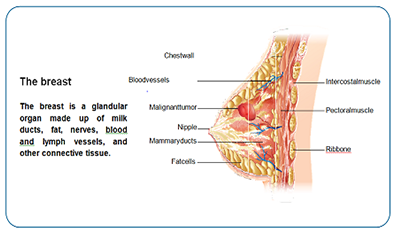
Breast cancer begins when abnormal cells in the breast grow and divide uncontrollably, forming a lump or tumour. While it most often starts in the ducts that carry milk to the nipple (ductal cancer) or in the glands that produce milk (lobular cancer), it can occur in other parts of the breast as well.

There are different types of breast cancer, ranging from slow-growing forms that may remain localised, to aggressive types that spread more quickly. Doctors usually classify breast cancer based on where it starts, how the cells look under a microscope, and whether it responds to hormones or targeted treatments.

Although breast cancer is most common in women, it can also affect men – though much more rarely. Understanding how the disease develops is the first step towards recognising its early signs and reducing delays in diagnosis.

Early Signs and Symptoms Women Should Not Ignore

In its earliest stages, breast cancer may not cause noticeable discomfort. However, certain changes should never be overlooked, such as:

  • A lump in the breast or underarm that feels hard or different from surrounding tissue.
  • Swelling or thickening of part or all of the breast, even if no lump is felt.
  • Changes in breast skin such as dimpling, puckering, or irritation.
  • Persistent pain in the breast that does not come and go with the menstrual cycle.
  • Redness, scaliness, or thickening of the nipple or breast skin.
  • Nipple discharge other than breast milk, especially if it is bloody.
  • Noticeable change in breast size or shape over time.

These signs do not always mean cancer – many can be caused by benign conditions. But if they persist, it is important to consult a doctor immediately. Early evaluation ensures that, if cancer is present, it is detected at the stage when treatment can be highly effective.

Screening and Early Detection Methods

Detecting breast cancer early offers the best chance for effective treatment and recovery. Doctors recommend a combination of approaches to monitor breast health, such as:

  • Breast self-examination: Becoming familiar with the normal look and feel of your breasts helps in noticing unusual changes early. While self-exams are not a substitute for professional screening, they raise awareness and prompt timely medical advice.
  • Clinical breast exam: A physical examination performed by a healthcare professional to check for lumps or abnormalities.
  • Mammogram: An X-ray of the breast that can detect cancer before a lump is felt. Mammograms remain the most reliable tool for early detection.
  • Additional tests when needed: Ultrasound, MRI, or biopsy may be advised if abnormalities are found.

Together, these methods ensure that breast cancer can be caught at its earliest and most treatable stage. Regular screening, especially for women over 40 or those at higher risk, is strongly recommended.

Risk Factors for Breast Cancer

Anyone can develop breast cancer, but certain factors increase the likelihood:

  • Age: The risk rises as women get older, particularly after 50.
  • Family history: Having a close relative with breast cancer, especially at a younger age, raises the risk.
  • Genetic changes: Mutations in the BRCA1 and BRCA2 genes significantly increase susceptibility.
  • Hormonal and reproductive factors: Early menstruation, late menopause, not having children, or having the first child later in life can all add to risk.
  • Lifestyle factors: Lack of physical activity, obesity, alcohol consumption, and smoking are linked to higher rates.
  • Previous breast conditions: A history of certain benign breast diseases or previous breast cancer increases the chances of recurrence.

Can Lifestyle Help Prevent Breast Cancer?

While no single measure can guarantee prevention, healthy choices can lower the risk of breast cancer and improve overall well-being. Here are some lifestyle habits that play a powerful role in reducing the risk of breast cancer and also support recovery if it is diagnosed:

  • Eat a balanced diet: Focus on fruits, vegetables, whole grains, and foods rich in fibre and antioxidants.
  • Stay physically active: Aim for at least 30 minutes of moderate exercise most days of the week.
  • Maintain a healthy weight: Obesity, especially after menopause, is linked to higher breast cancer risk.
  • Limit alcohol: Even small amounts can increase risk, so moderation is key.
  • Avoid smoking: Smoking is associated with several cancers, including breast cancer.
  • Regular check-ups: Routine health checks and timely screenings make a significant difference.
  • Manage stress: Practices such as yoga, meditation, or deep breathing can support emotional well-being.

Support and Living Beyond Breast Cancer

A breast cancer diagnosis brings emotional, physical, and social challenges. But with the right support, many women not only survive but also lead fulfilling lives after treatment. Support during and after treatment focuses on addressing different aspects of health and recovery. Key areas include:

  • Managing side effects: Surgery, chemotherapy, or radiation may cause fatigue, hormonal changes, or body image concerns. With medical care and rehabilitation, most side effects can be managed.
  • Emotional well-being: Feelings of anxiety or depression are common. Counselling, support groups, or open conversations with loved ones can provide strength and reassurance.
  • Role of caregivers: Family members and friends offer vital encouragement, assist with daily tasks, and ensure treatment schedules are followed.
  • Life after treatment: Survivors benefit from follow-up care, healthy lifestyle habits, and regular screenings to monitor long-term health.

How to Contribute During Breast Cancer Awareness Month

Breast Cancer Awareness Month is not only about education but also about action. Individuals, families, and communities can play an important role in spreading the message and supporting those affected. Here are some ways in which individuals can contribute towards breast cancer awareness month:

  • Wear the pink ribbon: The pink ribbon is the global symbol of solidarity with breast cancer patients and survivors.
  • Encourage regular check-ups: Remind women in your family and community to go for screenings and mammograms.
  • Join or organise awareness events: Walkathons, health camps, or online campaigns create visibility and spread knowledge.
  • Share educational resources: Use social media or community groups to share reliable information.
  • Support patients and survivors: Offer emotional support, volunteer with organisations, or contribute to fundraising activities.

These efforts may seem small, but together they build a culture where breast health is openly discussed and early action is prioritised.

Closing Note

Breast Cancer Awareness Month is a reminder that awareness, early detection, and timely treatment can save countless lives. By encouraging open conversations, regular screenings, and supportive communities, we can help reduce the burden of this disease and offer hope to those affected. If you or a loved one needs expert care, do not delay. Consult a breast cancer specialist at Rajiv Gandhi Cancer Institute & Research Centre today. To book an appointment, call at +91-11-47022000.

Frequently Asked Questions

Why is Breast Cancer Awareness Month observed in October?

Breast Cancer Awareness Month was first launched in October 1985 in the United States as a joint initiative between health organisations and advocacy groups to promote mammography as the most effective tool for early detection. Since then, October has been recognised worldwide as a month dedicated to breast health, awareness campaigns, and showing solidarity with patients and survivors.

What is the theme for Breast Cancer Awareness Month 2025 and why was it chosen?

The 2025 theme is “Every Story is Unique, Every Journey Matters.” This theme emphasizes that each person’s experience with breast cancer is different, in terms of biology, personal resilience, circumstances, and challenges, and underscores the need for compassion, dignity, and patient-centered care for all, regardless of geography, income, or background.

What does the pink ribbon symbolise?

The pink ribbon represents solidarity, hope, and global commitment to fighting breast cancer.

What are the first warning signs of breast cancer?

A lump in the breast or underarm, changes in breast size or shape, nipple discharge, or skin changes such as dimpling and redness may be early warning signs.

At what age should women start breast cancer screening?

Most doctors recommend starting mammograms at age 40, or earlier if there is a strong family history of breast cancer.

Can men also get breast cancer?

Yes. Although rare, men can develop breast cancer and should seek medical attention if they notice lumps or changes in the chest area.

Is breast cancer hereditary?

Certain genetic mutations, such as BRCA1 and BRCA2, increase the risk. A family history of breast cancer should prompt regular check-ups.

Can breast cancer be detected at home?

While self-examination helps in noticing unusual changes, only professional tests like mammograms can confirm diagnosis.

What lifestyle changes can lower the risk of breast cancer?

Maintaining a healthy weight, exercising regularly, limiting alcohol, and avoiding smoking all reduce risk.

Where can I get breast cancer screening near me in Delhi?

At Rajiv Gandhi Cancer Institute & Research Centre, experienced oncologists provide breast cancer screening with advanced mammography and personalised consultations for accurate and timely detection.

How does RGCIRC support breast cancer patients?

The hospital provides comprehensive care including early detection, advanced treatment options, counselling, and survivorship support programmes.

Related Articles

featured

Breast Cancer

featured

Breast Cancer

Opportunity to Help

DONATE FOR CANCER CARE

As a society, RGCIRC is looking forward to get support from generous people

Read More
DONATE BLOOD

It is a fact that there are absolutely no substitutes to replace human bloo...

Read More
DONATE TIME (VOLUNTEER)

Volunteers play an important role in today’s hospitals. They help the hos...

Read More

Rajiv Gandhi Cancer Institute & Research Centre is today counted amongst Asia’s premier exclusive cancer centres that offer unique advantage of cutting edge technology, put to use by renowned super specialists. This potent combination of man and machine ensures world-class cancer care to not only patients from India, but also from the neighboring SAARC countries and others.

D - 18, Sector - 5, Rohini, Delhi - 110085 | +91-11-47022222
OPD Timings: 09:00 am to 05:00 pm (All weekdays except Sunday and Holiday)
Emergency Services: 24x7

Mahendra Kumar Jain Marg, Niti Bagh, New Delhi - 110049 | Tel: +91-11-45822222 / 2200
OPD Timings: 09:00 am to 05:00 pm (All Weekdays except Sunday and Holiday)
Emergency Services: 24x7

Subscribe Today For Our Healthy Tips Newsletter
Loading