RGCIRC Team
Cancer
6 January, 2026
The connection between our diet and immunity is much closer than what most people think. A healthy, balanced diet does more than provide nourishment; it also helps protect the body at a cellular level. Research shows that many natural foods contain powerful compounds such as antioxidants, phytochemicals, and omega-3 fatty acids that help neutralise toxins, reduce inflammation, and support immune function. This is why nutrients play a vital role in improving overall health and even lowering the risk of cancer.
In this article, we will explore some of the most effective cancer-fighting foods, their benefits, and how to include them in your daily diet. But first, let’s understand the link between nutrition and cancer.
Decades of research have established that poor dietary habits, obesity, and chronic inflammation significantly increase the risk of developing various cancers. A diet high in processed foods, refined sugars, and saturated fats promotes oxidative stress – a condition where unstable molecules called free radicals damage healthy cells and DNA, potentially leading to mutations and tumour growth.
On the other hand, a nutrient-rich diet abundant in fruits, vegetables, whole grains, legumes, and healthy fats helps the body combat these effects. Vitamins such as C and E, minerals like selenium and zinc, and plant-based compounds known as phytochemicals act as natural protectors, reducing inflammation and enhancing the immune system’s ability to repair cellular damage.
According to the World Health Organization (WHO), adopting a balanced diet, maintaining a healthy weight, and limiting alcohol and processed foods could prevent up to one-third of all cancer cases worldwide. This highlights the powerful role of everyday nutrition in shaping long-term health and cancer resistance.
Certain nutrients in everyday foods help the body defend itself against cell damage, inflammation, and other changes that may lead to cancer. Understanding these key elements can make your diet more protective and balanced. Key nutrients that help protect the body against cancer include:
Incorporating a variety of nutrient-rich foods into daily meals can significantly improve overall health and strengthen the body’s defences against cancer. Here are some of the most research-backed anti-cancer foods to include in your diet:
While nutrient-rich foods can strengthen the body’s natural defences, certain dietary choices can have the opposite effect, such as promoting inflammation, weight gain, and oxidative stress. Limiting or avoiding these foods plays a vital role in maintaining a healthy, cancer-preventive lifestyle. Food to avoid and limit include:
Frequent consumption of processed meats such as sausages, bacon, and ham, or large quantities of red meat, has been linked to a higher risk of colorectal and stomach cancers. These foods often contain nitrates, preservatives, and saturated fats that contribute to inflammation and cell damage. Reducing their intake and opting for lean protein sources, such as fish, poultry, or legumes, is a healthier alternative.
Excessive sugar and refined carbohydrates can lead to obesity, insulin resistance, and chronic inflammation, all of which are associated with an increased cancer risk. Foods and drinks high in added sugars such as soft drinks, chocolates, energy drinks, packaged fruit juices, cakes, pastries, and sweets should be limited. That said, choosing whole grains, fresh fruits, and natural sweeteners in moderation supports stable blood sugar levels and helps maintain a balanced diet.
Deep-fried snacks, packaged chips, and ready-to-eat meals often contain trans fats and acrylamides that form during high-temperature cooking. These substances increase oxidative stress and interfere with the body’s natural ability to repair cells.
Common examples include bread, biscuits, rusk, namkeen, processed breakfast cereals such as cornflakes and muesli, packaged chips, and instant meals.
Replacing them with baked, steamed, or grilled options helps preserve nutrient quality and reduces exposure to harmful compounds.
Even moderate alcohol intake can elevate the risk of cancers affecting the mouth, liver, breast, and oesophagus. Alcohol contributes to inflammation and impairs the body’s ability to process and detoxify carcinogens. It is best to avoid alcohol altogether or consume it within medically safe limits, especially for individuals already at higher risk.
Although not a dietary component, tobacco remains one of the strongest known cancer-causing agents. Smoking and exposure to second-hand smoke significantly increase the risk of several cancers, including those of the lung, throat, and bladder. Complete avoidance of tobacco in all forms is essential for cancer prevention and overall health protection.
A well-balanced meal plan built around anti-cancer foods helps you eat healthily every day without feeling restricted. The goal is to include a colourful mix of vegetables, fruits, whole grains, lean proteins, and healthy fats that nourish the body and protect it from inflammation and oxidative stress.
To create a truly balanced diet, ensure it contains the following seven essential components that work together to support overall health and cancer prevention:
Here’s how you can include cancer-fighting foods throughout the day:
A balanced mix of these foods provides essential nutrients, antioxidants, and anti-inflammatory benefits that support overall health and cancer prevention.
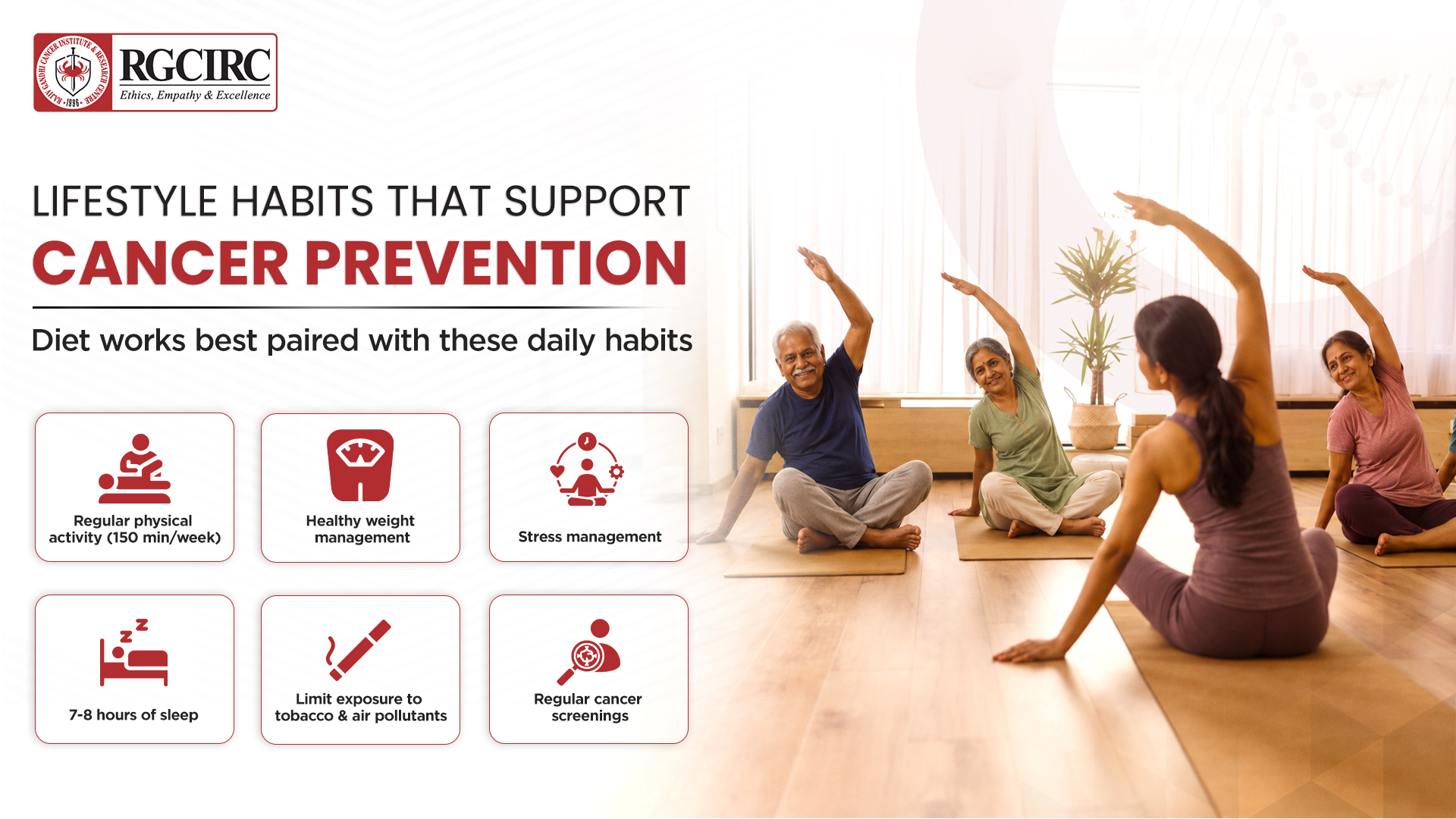
While nutrition is a powerful tool in cancer prevention, it becomes most effective when paired with healthy lifestyle choices. Together, these habits help the body maintain balance, strengthen immunity, and reduce the risk of cancer recurrence.
According to global research by the American Institute for Cancer Research (AICR) and the World Cancer Research Fund (WCRF), maintaining a healthy weight, staying physically active, and following a plant-based diet rich in fruits, vegetables, and whole grains are among the most evidence-backed ways to prevent cancer and support long-term wellness.
The following key lifestyle practices, supported by AICR and WCRF recommendations, play a crucial role in complementing a cancer-fighting diet and promoting long-term health:
Recognising early warning signs and seeking timely medical advice can make a crucial difference in cancer outcomes. While adopting a healthy lifestyle and balanced diet helps reduce overall risk, certain symptoms should never be ignored, especially if they persist for more than a few weeks.
Any symptom that persists without an identifiable cause should prompt a consultation with a doctor. Some important warning signs to watch for include:
Even if these symptoms turn out to be unrelated to cancer, it is always safer to seek early medical evaluation for accurate diagnosis and timely treatment.
Nutrition plays a vital role not only in preventing cancer but also in supporting the body during and after treatment. Cancer therapies such as chemotherapy, radiation, and surgery can place significant demands on the body, often affecting appetite, digestion, and nutrient absorption. A well-structured, medically supervised diet helps manage these effects, promotes recovery, and improves overall quality of life.
During treatment, the body requires additional calories, protein, and fluids to repair tissues and maintain strength. However, patients may experience side effects such as nausea, loss of appetite, or changes in taste. At such times, small, frequent meals and nutrient-dense foods, such as soups, smoothies, and soft-textured options, can help maintain adequate intake. Hydration is equally important, as it supports detoxification and prevents fatigue.
At Rajiv Gandhi Cancer Institute & Research Centre (RGCIRC), the clinical nutrition team works closely with oncologists to design personalised meal plans tailored to each patient’s treatment phase, nutritional needs, and tolerance levels. This multidisciplinary approach ensures that patients receive the right balance of nutrients to support healing, maintain body weight, and manage treatment side effects effectively.
Post-treatment nutrition focuses on restoring energy, rebuilding muscle mass, and strengthening the immune system. A diet rich in fruits, vegetables, whole grains, lean proteins, and healthy fats helps the body recover and lowers the risk of recurrence. To ensure safe and effective recovery, patients are encouraged to seek dietician-guided, tailor-made nutrition plans designed around their individual health status and recovery goals.
While no single food can guarantee complete protection against cancer, a consistent pattern of healthy eating can make a remarkable difference in long-term well-being. A diet rich in fruits, vegetables, whole grains, nuts, seeds, healthy fats, and optimal protein intake helps reduce inflammation, supports immunity, and promotes the body’s natural ability to repair and regenerate cells. When combined with regular exercise, adequate sleep, and routine screenings, it becomes a strong foundation for cancer prevention and recovery.
At Rajiv Gandhi Cancer Institute & Research Centre (RGCIRC), we believe that every positive lifestyle choice, from mindful eating to timely medical check-ups, contributes to building a healthier future. Our experts in oncology and clinical nutrition are committed to guiding patients and families through evidence-based strategies for both prevention and care.
To consult a cancer specialist or clinical nutrition expert at Rajiv Gandhi Cancer Institute & Research Centre, call us at +91-11-47022222 or fill out our contact form.
Foods rich in antioxidants, fibre, and plant-based nutrients are known to help protect cells from damage. Cruciferous vegetables, berries, garlic, green tea, and leafy greens are among the most effective natural cancer-fighting foods.
A healthy diet can significantly reduce the risk of developing certain cancers, but it should be combined with regular exercise, adequate sleep, and medical screenings for maximum protection.
Berries, citrus fruits, tomatoes, spinach, broccoli, and kale are particularly beneficial. They contain antioxidants and phytochemicals that support cell repair and reduce inflammation.
Green tea is rich in catechins, natural antioxidants that protect DNA from damage and may help prevent abnormal cell growth when consumed regularly.
Turmeric contains curcumin, a compound with strong anti-inflammatory and antioxidant properties. While it supports overall health, it should be viewed as part of a balanced diet rather than a standalone preventive measure.
Yes. Processed meats such as bacon, sausages, and ham contain preservatives and nitrates linked to higher risks of colorectal and stomach cancers. Limiting their intake is strongly recommended.
Antioxidants don’t kill cancer cells directly but help protect healthy cells from damage caused by free radicals. This supports overall cell health and reduces cancer risk over time.
Yes. Combining an anti-cancer diet with physical activity, stress management, and regular medical follow-ups can lower the likelihood of cancer returning after treatment.
Yes, but it must be well-balanced and guided by a clinical nutritionist to ensure adequate intake of protein, calories, and essential nutrients during treatment.
A recovery-focused diet should include fruits, vegetables, lean proteins, healthy fats, and whole grains. Hydration and gradual reintroduction of high-fibre foods are equally important.
You can consult expert oncologists at Rajiv Gandhi Cancer Institute & Research Centre (RGCIRC), one of India’s leading cancer hospitals offering advanced diagnosis and personalised treatment across all types of cancers.

Cancer

Cancer

Cancer
 My Reports
 RGCIRC, Niti Bagh