
alarm RGCIRC, Niti Bagh alarm Emergency - 24/7 Book an Appointment Find a Doctor

RGCIRC Team

General

30 October, 2026

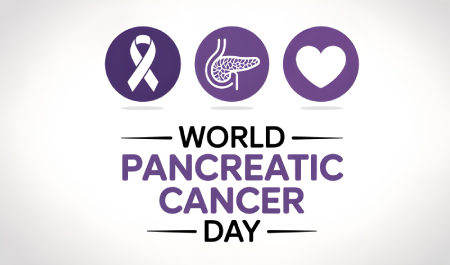
Pancreatic cancer is one of the most aggressive and challenging forms of cancer, which is often diagnosed at an advanced stage as its early symptoms are often subtle and non-specific. According to IARC (International Agency for Research on Cancer), pancreatic cancer is the 12th most common cancer worldwide, and is also the sixth leading cause of cancer-related deaths worldwide. To raise awareness about this silent disease, World Pancreatic Cancer Day is observed every year on the 3rd Thursday of November. The day serves as a global call to action, encouraging people to learn about the disease, recognise its warning signs, and support ongoing research efforts.

In this article, we will explore the significance of World Pancreatic Cancer Day 2026, common symptoms and causes of pancreatic cancer, available treatment options, and the steps individuals can take to protect their pancreatic health.

Why World Pancreatic Cancer Day Matters

World Pancreatic Cancer Day was established to bring global attention to a disease that remains one of the deadliest forms of cancer. Despite advances in medical care, pancreatic cancer often goes undetected until late stages, leading to poor survival outcomes.

Some key points underline the importance of this day include:

  • High mortality rates: Pancreatic cancer is among the leading causes of cancer-related deaths worldwide.
  • Late diagnosis: Most cases are diagnosed at an advanced stage, when treatment options are limited.
  • Rising global burden: Both incidence and mortality rates are increasing, making it a critical public health concern.
  • Purple ribbon symbol: The colour purple represents solidarity with patients and families, reminding communities of the need for awareness and support.
  • Global movement: By dedicating a day to awareness, advocates, healthcare providers, and families unite to promote prevention, research, and better treatment options.

Through awareness campaigns, communities can help reduce stigma, encourage early consultations, and strengthen the global call for improved research and patient care.

Understanding the Pancreas and Its Role in Health

The pancreas is a small but vital organ located behind the stomach. It plays two essential roles in maintaining health:

  • Digestive Function: The pancreas produces enzymes that help break down food, ensuring the body absorbs nutrients effectively.
  • Hormonal Function: It also releases hormones such as insulin and glucagon, which regulate blood sugar levels and provide the body with energy.

When the pancreas is healthy, it supports both proper digestion and stable blood sugar control. However, damage to this organ, whether due to chronic inflammation, lifestyle factors, or genetic risks, can lead to serious conditions, including diabetes and pancreatic cancer.

Protecting pancreatic health is therefore critical not just for the digestive system, but for the body’s overall wellbeing.

Causes and Risk Factors of Pancreatic Cancer

Pancreatic cancer develops when abnormal cells in the pancreas grow uncontrollably. While the exact cause is not always known, factors that can increase the risk include:

  • Genetics and Family History: Inherited gene mutations or a family history of pancreatic cancer can raise the likelihood of developing the disease.
  • Smoking: Tobacco use is one of the strongest and most preventable risk factors.
  • Obesity: Excess body weight is linked with chronic inflammation, which may increase risk.
  • Diabetes: Long-standing or newly diagnosed diabetes can be both a risk factor and an early sign.
  • Chronic Pancreatitis: Long-term inflammation of the pancreas contributes to higher vulnerability.
  • Age: Most cases occur in people over 60.
  • Environmental and Occupational Exposures: Contact with certain chemicals and toxins may also play a role.

While not all risks can be controlled, adopting healthier lifestyle choices and regular check-ups for high-risk individuals can help lower the chances of developing pancreatic cancer.

Symptoms of Pancreatic Cancer

Pancreatic cancer is often called a “silent disease” because symptoms usually appear only when the cancer is advanced. Recognising the signs early, however, can make a crucial difference in seeking timely medical care.

Common symptoms include:

  • Jaundice: Yellowing of the skin and eyes due to a blocked bile duct.
  • Abdominal or Back Pain: Discomfort that may worsen after eating or while lying down.
  • Unexplained Weight Loss: Sudden loss of weight along with reduced appetite.
  • Digestive Changes: Nausea, vomiting, or indigestion.
  • New or Worsening Diabetes: Pancreatic cancer can interfere with insulin production.
  • Fatigue: Persistent tiredness not relieved by rest.

These symptoms are not always exclusive to pancreatic cancer and may resemble other conditions. Still, if they persist or worsen, medical evaluation is essential for early diagnosis.

Importance of Early Detection in Pancreatic Cancer

Pancreatic cancer is one of the most difficult cancers to detect early, mainly because its symptoms appear late and are often mistaken for common digestive problems. As a result, many cases are diagnosed only when the disease has already spread.

Early detection, however, can make a life-saving difference, such as:

  • Improved survival rates: Patients diagnosed at an early stage have access to surgery and other curative treatments.
  • More treatment options: Identifying the cancer before it spreads allows for a wider range of therapies, including targeted and minimally invasive options.
  • Better quality of life: Early treatment reduces complications and may lessen the severity of symptoms.

Raising awareness about risk factors, promoting regular health check-ups for high-risk individuals, and investing in better diagnostic tools are key goals of World Pancreatic Cancer Day 2026.

Screening and Diagnosing Pancreatic Cancer

Since pancreatic cancer often develops silently, screening and diagnostic tests are vital for those at high risk or showing concerning symptoms. These tests help confirm the presence of cancer, determine its stage, and guide treatment planning.

  • Imaging Tests: CT scans, MRI, and PET scans provide detailed images to detect tumours and assess their spread.
  • Endoscopic Ultrasound (EUS): A specialised test that uses an endoscope with an ultrasound probe to obtain clear images of the pancreas.
  • Biopsy: Tissue samples taken during EUS or surgery confirm the diagnosis under a microscope.
  • Blood Tests: Markers such as CA 19-9 may indicate pancreatic cancer, though they are not always conclusive.
  • Staging: Once diagnosed, pancreatic cancer is staged (I to IV) to determine how far it has spread and what treatment options are suitable.

Understanding results can feel overwhelming, but staging and test reports provide doctors with the information needed to create a personalised treatment plan.

Treatment Options for Pancreatic Cancer

Treatment for pancreatic cancer depends on the stage of the disease, the type of tumour, and the overall health of the patient. A combination of therapies is often recommended to achieve the best possible outcomes.

  • Surgery:
    • Whipple procedure (pancreaticoduodenectomy) – removal of the head of the pancreas, part of the small intestine, gallbladder, and bile duct.
    • Distal pancreatectomy: removal of the body and tail of the pancreas, sometimes along with the spleen.
    • Total pancreatectomy: removal of the entire pancreas, though less common.
  • Radiation Therapy: High-energy beams target and destroy cancer cells, often used alongside other treatments.
  • Chemotherapy: Drugs that kill rapidly dividing cells. It may be given before or after surgery, or in advanced cases to control the disease.
  • Targeted Therapy & Immunotherapy: Advanced options that focus on specific genetic mutations or boost the immune system to fight cancer more effectively.
  • Palliative Care and Supportive Treatments: Focus on managing pain, digestive problems, and improving quality of life for patients with advanced disease.

Thanks to progress in oncology, patients today benefit from multidisciplinary approaches that combine medical, surgical, and supportive care.

Living with Pancreatic Cancer: Care and Support

Living with pancreatic cancer requires a holistic approach that goes beyond medical treatment, combining physical care with emotional and social support. Things to consider:

  • Managing Side Effects: Treatments such as chemotherapy, radiation, or surgery may cause fatigue, digestive issues, or loss of appetite. Supportive medicines, physiotherapy, and rehabilitation can ease these problems.
  • Nutritional Guidance: Special diets rich in protein and calories help maintain strength and support healing. Dieticians play an important role in adjusting meals to patient needs.
  • Emotional and Mental Health: Counselling, mindfulness practices, and therapy can help patients cope with stress, anxiety, and depression.
  • Caregiver and Support Groups: Families and patient communities provide encouragement, reduce feelings of isolation, and create a sense of shared strength.

How to Get Involved in World Pancreatic Cancer Day

World Pancreatic Cancer Day is not only about awareness but also about action. Individuals, communities, and organisations can all play a part in spreading knowledge and supporting patients.
Ways to participate include:

  • Wear Purple: The purple ribbon is the symbol of pancreatic cancer awareness. Wearing it or sharing it online shows solidarity.
  • Join Awareness Events: Take part in walks, talks, or fundraising drives that highlight the importance of early detection and research.
  • Organise or Attend Screening Camps: Encourage high-risk groups to undergo timely check-ups.
  • Share Survivor Stories: Highlight real-life journeys that inspire hope and motivate others to seek early medical help.
  • Spread the Word Online: Use hashtags such as #WorldPancreaticCancerDay to reach wider audiences and promote awareness.

Even small gestures, whether sharing information, wearing purple, or supporting a patient, help build a stronger, more informed community in the fight against pancreatic cancer.

How to Prevent Pancreatic Cancer and Protect Pancreatic Health

Not all cases of pancreatic cancer can be prevented, but adopting healthier habits can lower the risk and support overall wellbeing. Habits such as:

  • Maintain a Healthy Diet and Weight: A balanced diet rich in fruits, vegetables, and whole grains, along with weight management, helps reduce risk.
  • Quit Smoking: Tobacco is one of the strongest risk factors for pancreatic cancer. Quitting smoking at any age lowers risk significantly.
  • Limit Alcohol Consumption: Excessive alcohol can lead to chronic pancreatitis, which increases the risk of pancreatic cancer.
  • Manage Chronic Conditions: Properly controlling diabetes and pancreatitis helps protect pancreatic health.
  • Regular Check-ups for High-Risk Groups: Those with a family history of pancreatic cancer or genetic risk should consult doctors for timely screening.

These proactive steps not only help prevent pancreatic cancer but also contribute to better digestive and metabolic health.

Standing Together against Pancreatic Cancer

Pancreatic cancer remains one of the toughest cancers to fight, but awareness, prevention, and early detection can make a meaningful difference. World Pancreatic Cancer Day 2026 is a reminder that patients and families are not alone – communities, healthcare providers, and advocates worldwide stand together to spread hope and encourage timely action.

To learn more about the screening, diagnosis, or treatment of pancreatic cancer, or to consult a specialist at Rajiv Gandhi Cancer Institute & Research Centre (RGCIRC), call +91-11-47022000 and take the first step towards better health.

Frequently Asked Questions

When is World Pancreatic Cancer Day 2026 observed?

World Pancreatic Cancer Day 2026 will be observed in November, as part of a global initiative to raise awareness about this aggressive cancer and promote early detection.

Why is pancreatic cancer so difficult to detect early?

Pancreatic cancer often causes no symptoms in its early stages. By the time signs such as jaundice, abdominal pain, or weight loss appear, the disease is usually advanced, which makes early diagnosis challenging.

What are the common symptoms of pancreatic cancer?

Key pancreatic cancer symptoms include yellowing of the skin and eyes (jaundice), unexplained weight loss, abdominal or back pain, nausea, fatigue, and new or worsening diabetes.

Who is most at risk of developing pancreatic cancer?

High-risk groups include people with a family history of pancreatic cancer, smokers, those with chronic pancreatitis, obesity, diabetes, or long-term alcohol use.

What treatment options are available for pancreatic cancer?

Treatment may involve surgery (Whipple procedure, distal pancreatectomy, total pancreatectomy), chemotherapy, radiation therapy, targeted therapy, or immunotherapy, often in combination. Palliative care also plays an important role in managing symptoms and improving quality of life.

What colour ribbon represents pancreatic cancer awareness?

The purple ribbon is the international symbol of pancreatic cancer awareness, representing hope, unity, and support for patients and their families.

Can lifestyle changes help prevent pancreatic cancer?

Yes. Preventive steps such as quitting smoking, limiting alcohol, maintaining a healthy diet and weight, and managing conditions such as diabetes and chronic pancreatitis can lower the risk of pancreatic cancer.

How can I support World Pancreatic Cancer Day?

You can wear purple, participate in awareness walks, share survivor stories, organise or join screening events, and use hashtags such as #WorldPancreaticCancerDay to spread awareness online.

 Where can I find pancreatic cancer specialists near me in Delhi?

Rajiv Gandhi Cancer Institute & Research Centre (RGCIRC), Delhi, is one of India’s leading cancer hospitals, offering advanced diagnostics, expert oncologists, personalised treatment options, and holistic support for patients with pancreatic cancer.

Ref: https://www.iarc.who.int/cancer-type/pancreatic-cancer/