alarm RGCIRC, Niti Bagh alarm Emergency - 24/7 Book an Appointment Find a Doctor

RGCIRC Team

Liver Cancer

26 November, 2026

For most adults with primary liver cancer, chemotherapy on its own will not cure the disease. That surprises many people because chemotherapy is the treatment most of us connect with cancer. But liver cancer is not one disease. How well chemotherapy works depends on where the cancer started and how far it has spread. It also depends on how healthy the rest of the liver is, and on the patient’s overall condition.

Patients and families often say “chemo” for any cancer medicine. Chemotherapy, immunotherapy and targeted therapy work in very different ways, though, and in liver cancer the difference matters. In this article, chemotherapy means the conventional anticancer drugs that kill rapidly dividing cells. For the most common type of liver cancer, the treatments that can cure are surgery, liver transplantation and ablation. In advanced disease, immunotherapy and targeted medicines now carry much of the load.

It depends on the type of liver cancer

Some cancers begin in the liver itself (primary liver cancer). Others start in another organ and spread to the liver (secondary liver cancer). They behave differently and respond differently to chemotherapy.

Hepatocellular carcinoma

Hepatocellular carcinoma (HCC) is the most common primary liver cancer in adults. It grows from hepatocytes, the liver’s main cells. Conventional chemotherapy works poorly against HCC and is not the preferred treatment. In advanced disease, doctors usually turn to immunotherapy and targeted medicines. Chemotherapy is kept for selected patients in whom other treatments are unsuitable or have stopped working.

Intrahepatic cholangiocarcinoma

This cancer starts in the bile ducts inside the liver, and it responds to chemotherapy better than HCC does. When it cannot be removed, gemcitabine and cisplatin can help control it. They are often given with an immunotherapy drug such as durvalumab or pembrolizumab. After surgery, selected patients receive chemotherapy to lower the risk of the cancer coming back, commonly oral capecitabine.

For advanced intrahepatic cholangiocarcinoma, genetic (molecular) testing of the tumour is now recommended. Changes such as FGFR2 fusions, IDH1 mutations or HER2 amplification may make a patient eligible for targeted medicines.

Cancer that has spread to the liver

Cancers of the colon, breast or lung, among others, can spread to the liver. Here the choice of chemotherapy follows the original cancer. In colorectal cancer, for example, chemotherapy can shrink liver metastases. In selected patients, that makes it possible to remove them surgically.

Liver cancer in children

Hepatoblastoma, the most common liver cancer in young children, is the important exception. It is usually highly sensitive to cisplatin-based chemotherapy. Chemotherapy combined with surgery or liver transplantation cures a large majority of affected children.

When doctors recommend chemotherapy

Chemotherapy is offered when it is expected to give a meaningful benefit, judged on the diagnosis, earlier treatment and the patient’s health. It may be used to control cancer that cannot be operated on, especially chemotherapy-sensitive cancers such as cholangiocarcinoma. It can treat cancer that has reached the liver and other parts of the body. After surgery, mainly in biliary tract cancers, it lowers the risk of recurrence. Occasionally it is used for HCC when the preferred options cannot be. Depending on the cancer, it may also be combined with immunotherapy or other treatments.

It is not necessary or helpful for every patient with liver cancer, and the decision has to be made one patient at a time.

How chemotherapy is given

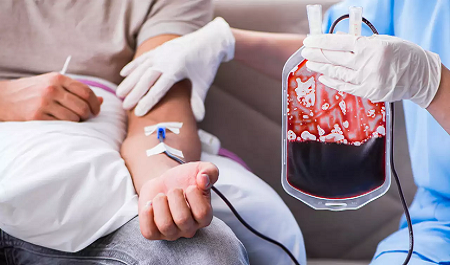
Systemic chemotherapy is given into a vein or, for some drugs, by mouth. It travels through the bloodstream to the whole body, which makes it useful when cancer has spread beyond where it began. Treatment is given in cycles, with rest periods so the body can recover. There is no fixed number of cycles. The schedule depends on the cancer type, the drugs, the goal of treatment and the response, and doctors keep checking effectiveness and side effects to decide whether to continue or change course.

Transarterial chemoembolisation (TACE) treats the tumour from within the liver. An interventional radiologist guides a catheter into the artery that feeds the tumour, delivers chemotherapy there, and then blocks the tumour’s blood flow. TACE may be used for selected patients with HCC confined to the liver that cannot be removed or ablated. On its own it controls the disease rather than curing it.

TACE has two other uses. It can keep the cancer in check while a patient waits for a liver transplant, and it can shrink a tumour enough to make surgery or transplantation possible (downstaging). The liver needs to be working reasonably well for TACE to be safe.

Hepatic artery infusion (HAI) delivers chemotherapy straight into the hepatic artery, which supplies the liver. More of the drug reaches the tumours and less reaches other tissues. It may be used for selected patients with liver tumours or liver metastases that cannot be removed. It needs specialised facilities, though, and is not suitable or routinely available for every patient. In parts of Asia, hepatic arterial infusion chemotherapy (HAIC) with oxaliplatin-based regimens is also used for advanced HCC, particularly when the tumour has grown into the portal vein.

How well does it work?

Results vary with the type of cancer, its stage and how the patient responds. In certain advanced biliary tract cancers, chemotherapy-based treatment improves outcomes. In advanced HCC, standard chemotherapy has not shown a clear survival benefit.

Doctors judge whether chemotherapy is working in four ways. Has the tumour shrunk or stayed stable? Has its growth or spread slowed or stopped? Have symptoms such as pain, discomfort or loss of appetite eased? And can the patient carry on without unacceptable side effects? Scans, blood tests and clinical examinations help answer these questions.

A shrinking tumour does not mean the cancer is cured. Some treatments hold cancer in check for a while without eliminating it. Cancer can also return or grow after chemotherapy even when the first response is good. The risk depends on the type and stage of the cancer, the treatment received and other clinical factors, so follow-up examinations and scans continue after treatment ends.

Survival cannot be predicted from chemotherapy alone either. It depends on the cancer type, how far it has spread, liver function and the treatments available.

Stage 4 and metastatic liver cancer

In stage 4, the cancer is advanced. Depending on the staging system, it may have spread to lymph nodes or distant organs. Treatment at this stage aims to slow the disease, ease symptoms and preserve quality of life, and the place of chemotherapy again depends on the diagnosis.

In advanced HCC, eligible patients usually receive immunotherapy combinations or targeted medicines. Conventional chemotherapy is not routinely recommended because it works poorly. In advanced intrahepatic cholangiocarcinoma, chemotherapy combined with immunotherapy is an established treatment for eligible patients. When another cancer has spread to the liver, chemotherapy is chosen according to the original cancer. Colorectal cancer that has reached the liver, for instance, may respond to specific chemotherapy combinations, sometimes given with targeted medicines.

Not every patient with advanced liver cancer can safely receive systemic treatment. Severe liver damage, other illnesses and poor general health can limit the options. Supportive and palliative care matter whether or not anticancer treatment is given.

Other treatments for liver cancer

Surgery and liver transplantation

Surgery removes the cancerous part of the liver while leaving enough healthy liver behind. When the tumour is localised and the liver works well, it can offer a chance of cure. Transplantation may be considered for carefully selected patients with early-stage HCC, especially when cirrhosis makes a standard resection unsuitable. Eligibility is commonly assessed with criteria such as the Milan criteria, which look at the size and number of tumours. In India, most liver transplants are living-donor transplants, using part of a healthy family member’s liver.

Ablation

Radiofrequency ablation (RFA) and microwave ablation (MWA) destroy cancer cells with heat. These minimally invasive procedures suit selected small tumours, especially when surgery is not appropriate. For very small tumours in carefully selected patients, ablation can give results close to those of surgery.

Targeted therapy

Targeted medicines block specific proteins or signalling pathways that cancer cells use to grow. In advanced HCC, sorafenib and lenvatinib may be used. If the disease progresses, regorafenib, cabozantinib or ramucirumab may be options. For selected bile duct cancers with specific molecular changes, the options include the IDH1 inhibitor ivosidenib.

FGFR2 inhibitors such as pemigatinib and futibatinib, used for tumours with FGFR2 fusions, are not routinely sold in India. An oncologist can obtain them for an individual patient through a named-patient import. People sometimes call these drugs “targeted chemotherapy”, but targeted therapy is not chemotherapy.

Immunotherapy

Immunotherapy helps the immune system recognise and attack cancer cells. For eligible patients with advanced HCC, the combinations include atezolizumab with bevacizumab, durvalumab with tremelimumab, and nivolumab with ipilimumab. The choice depends on liver function, bleeding risk, earlier treatment and other medical factors. Before bevacizumab is started, an upper GI endoscopy is usually done to look for swollen veins in the food pipe (varices) that could bleed, and to treat them.

In HCC, immunotherapy is usually paired with another immunotherapy drug or a targeted medicine rather than with chemotherapy. In advanced biliary tract cancers, including intrahepatic cholangiocarcinoma, it is paired with chemotherapy.

Radiation therapy and radioembolisation

Radiation therapy can help control selected liver tumours or relieve symptoms. Stereotactic body radiotherapy (SBRT), which delivers precise, high doses over a few sessions, is increasingly used for selected tumours. Transarterial radioembolisation (TARE) delivers radioactive particles, usually yttrium-90, through the arteries that supply the tumour. Doctors consider these treatments when surgery or other local therapies are unsuitable.

How the treatment plan is chosen

No single treatment suits every patient. The first question is the type of liver cancer, because HCC, cholangiocarcinoma and cancers that have spread to the liver respond differently. Next come the size, number and location of the tumours, and whether the cancer has spread. These help decide between surgery, local treatment and systemic therapy.

The liver itself matters too. Cirrhosis or chronic liver disease can affect how well it tolerates treatment and may rule some options out. Doctors also weigh the patient’s overall health, other medical problems and ability to cope with treatment. If there has been earlier treatment, they review how the cancer responded and what side effects it caused.

A multidisciplinary team then recommends surgery, transplantation, ablation, chemotherapy, immunotherapy, targeted therapy or another approach. The aim is a meaningful benefit, weighed against the risks and the patient’s quality of life. In advanced HCC, targeted therapy and immunotherapy have stronger evidence than chemotherapy. That is not true of every liver cancer. In bile duct cancers, chemotherapy remains an important treatment, and targeted medicines are reserved for tumours with particular molecular changes.

Side effects of chemotherapy

Chemotherapy affects healthy cells as well as cancer cells. How severe the side effects are depends on the drugs, the dose, how long treatment lasts and the patient’s underlying health. Common ones include nausea and vomiting, loss of appetite, tiredness and weakness, mouth sores, diarrhoea, and hair thinning or loss. Low white blood cell counts raise the risk of infection, and low platelets can cause easy bruising or bleeding.

Some drugs can also affect the kidneys, nerves or other organs, and people with existing liver disease may need closer monitoring. The oncology team can help with supportive medicines, nutritional advice or changes to the treatment schedule. Fever during chemotherapy, unusual bleeding or rapidly worsening symptoms need prompt medical attention.

Prevention and early detection

In India, most liver cancers develop in a liver already damaged by chronic hepatitis B or C infection, alcohol or fatty liver disease. Surgery, transplantation and ablation work best when the cancer is small, so finding it early matters more than any single medicine.

Hepatitis B can be prevented with vaccination, and hepatitis C can now be cured with oral medicines, so it is worth getting tested for both. Limiting alcohol and keeping weight, diabetes and fatty liver under control lowers the risk. People with cirrhosis or chronic hepatitis B should ask their doctor about an ultrasound of the liver every six months, with or without an AFP blood test.

The bottom line

Chemotherapy alone is generally not a cure for HCC, but it is an important part of treatment for several other cancers that affect the liver. For some patients, surgery, transplantation or ablation offers a chance of cure. For others, immunotherapy, targeted therapy or liver-directed procedures can keep the disease under control. Which of these is right for a particular patient is a decision for a multidisciplinary cancer team, made after an individual assessment.

Dr Varun Goel is Senior Consultant, Medical Oncology, at Rajiv Gandhi Cancer Institute and Research Centre, New Delhi.

Frequently Asked Questions (FAQs)

Can chemotherapy shrink a liver tumour?

Yes, chemotherapy can shrink certain liver tumours, particularly those arising from bile duct cancers or cancers that have spread from other organs. However, hepatocellular carcinoma often responds poorly to conventional chemotherapy. The likelihood of tumour shrinkage depends on the cancer type and treatment regimen.

 Can chemotherapy be combined with immunotherapy for liver cancer?

Yes. Chemotherapy combined with immunotherapy is an established treatment approach for eligible patients with advanced biliary tract cancers, including intrahepatic cholangiocarcinoma. For hepatocellular carcinoma, immunotherapy is more commonly used with other immunotherapy medicines or targeted therapy rather than conventional chemotherapy.

 How many chemotherapy cycles are required for liver cancer?

There is no fixed number of chemotherapy cycles for all patients. The schedule depends on the cancer type, medicines prescribed, treatment goals and response. Doctors regularly assess treatment effectiveness and side effects to determine whether chemotherapy should continue or be modified.

 Can liver cancer return after chemotherapy?

Yes. Cancer can return or progress after chemotherapy, even when the initial response is favourable. The risk depends on the type and stage of cancer, treatment received and other clinical factors. Follow-up examinations and imaging may be recommended to monitor for recurrence or progression.

 Is targeted therapy more effective than chemotherapy for liver cancer?

For advanced hepatocellular carcinoma, targeted therapy and immunotherapy generally have stronger evidence of benefit than conventional chemotherapy. However, targeted therapy is not necessarily more effective for every type of liver cancer. In bile duct cancers, chemotherapy remains an important treatment, while targeted medicines may be suitable for tumours with certain molecular changes.

Related Articles