RGCIRC Team

Cervical Cancer

12 November, 2025

Cervical cancer, one of the most common cancers affecting women worldwide, develops in the cells of the cervix — the lower part of the uterus that connects to the vagina — and is most commonly associated with the Human Papillomavirus (HPV). Despite being largely preventable through vaccination and regular screening, it continues to pose a major public health challenge, particularly in developing countries such as India.

According to the World Bank, the annual burden of new cervical cancer cases in India is projected to rise to nearly 225,000 by 2025, many of which could be prevented through timely Pap smear screening and HPV vaccination. When detected early, cervical cancer is highly treatable and has excellent survival outcomes.

In this article, we will understand the causes, symptoms, stages, diagnostic methods, and treatment options for cervical cancer, along with preventive measures and post-treatment care to support long-term health and recovery. But first, let’s understand the basics.

What is Cervical Cancer?

Cervical cancer develops when abnormal cells grow uncontrollably in the cervix – the lower part of the uterus that connects to the vagina. These cancerous cells can form a tumour and, if not treated early, may spread to nearby tissues or distant organs.

Most cases of cervical cancer begin with precancerous changes in the cervical lining, often caused by infection with the Human Papillomavirus (HPV). Regular Pap smear tests and HPV testing help detect these changes before they progress to cancer.

Doctors can prevent most cases of cervical cancer by identifying abnormal cells early and providing timely treatment. The HPV vaccine further protects against the high-risk virus strains responsible for the majority of cervical cancer cases. By encouraging regular screening and vaccination, communities can significantly reduce the risk of this preventable disease.

What Causes Cervical Cancer

Human Papillomavirus (HPV) infection causes the majority of cervical cancer cases. This virus spreads through sexual contact and can infect the cells of the cervix. In most people, the infection clears naturally, but in some, it persists and triggers abnormal cell changes that may develop into cancer over time. High-risk HPV types, particularly HPV 16 and 18, account for nearly 95% of cervical cancer cases.

Several other factors can increase a woman’s risk of developing cervical cancer, such as:

  • Early sexual activity and multiple partners: Increase the likelihood of HPV exposure.
  • Weakened immune system: Conditions such as HIV infection reduce the body’s ability to fight HPV.
  • Long-term use of oral contraceptives: Extended use over several years may slightly raise the risk.
  • Smoking: Introduces harmful chemicals that damage cervical cells and weaken local immunity.
  • Lack of regular screening: Delays detection of precancerous changes in the cervix.

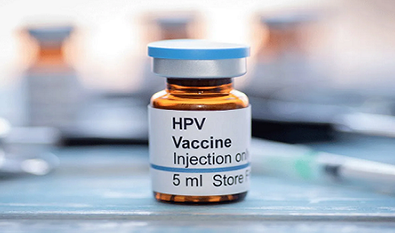
Getting vaccinated against HPV remains one of the most effective preventive measures. Doctors recommend the vaccine for girls and boys between the ages of 9 and 26 to protect against the virus before exposure.

Symptoms of Cervical Cancer

Cervical cancer often develops silently, showing little to no symptoms in its early stages. This is why regular Pap smear tests and HPV screening play a crucial role in early detection. As the disease progresses, noticeable symptoms may begin to appear, signalling the need for immediate medical attention.

Common symptoms of cervical cancer include:

  • Abnormal vaginal bleeding between menstrual periods, after sexual intercourse, or post-menopause.
  • Unusual vaginal discharge with a foul odour or blood stains.
  • Pelvic pain or discomfort during sexual intercourse.
  • Unexplained fatigue or loss of energy.
  • Unintended weight loss or loss of appetite.
  • Swelling in the legs or persistent lower back pain in advanced stages.

Women should not ignore these warning signs or assume they are due to minor infections or hormonal changes. Early evaluation through gynaecological examination can help detect cervical abnormalities before they progress to cancer.

Types of Cervical Cancer

Doctors classify cervical cancer based on the type of cell in which the disease originates. Understanding the type of cervical cancer helps doctors design a precise and individualised treatment plan, improving overall outcomes and preserving reproductive health whenever possible. Types of cervical cancer include:

1. Squamous Cell Carcinoma

This is the most common type, accounting for nearly 80–90% of cervical cancer cases. It begins in the thin, flat cells that line the outer part of the cervix, called the squamous epithelium.

2. Adenocarcinoma

Adenocarcinoma develops in the glandular cells that produce mucus in the cervical canal. Although less common, its incidence has been rising in recent years, particularly among younger women.

3. Adenosquamous (Mixed) Carcinoma

This rare type contains both squamous and glandular cancer cells, showing features of both main forms. This type of cancer may behave more aggressively and require a combination of treatment approaches.

Stages of Cervical Cancer

Doctors determine the stage of cervical cancer to understand how far the disease has spread and to plan the most effective treatment. The FIGO (International Federation of Gynecology and Obstetrics) staging system is commonly used to classify the cancer from Stage 0 to Stage IV.

Stage 0 (Carcinoma in Situ)

At this stage, the abnormal cells are present only on the surface layer of the cervix. This stage is highly curable with timely treatment.

Stage I

Cancer remains confined to the cervix but may have grown deeper into the surrounding tissue. Early-stage surgery or localised treatment can achieve complete recovery.

Stage II

The cancer spreads beyond the cervix into nearby tissues but does not reach the pelvic wall. Patients may require a combination of surgery, chemotherapy, and radiation.

Stage III

The tumour extends to the pelvic wall or the lower part of the vagina and may block the ureters, affecting kidney function. Advanced treatment with concurrent chemotherapy and radiation becomes necessary.

Stage IV

Cancer spreads to nearby organs such as the bladder or rectum or to distant organs including the lungs or liver. Treatment focuses on controlling the disease and improving quality of life through targeted therapy, immunotherapy, or palliative care.

Diagnosis of Cervical Cancer

Doctors diagnose cervical cancer using a combination of screening tests, clinical evaluations, and imaging studies to confirm the presence of abnormal cells and determine the extent of disease spread. Early and accurate diagnosis allows timely treatment and greatly improves recovery outcomes. Diagnostic methods used to detect cervical cancer include:

Pap Smear Test

Doctors use the Pap smear test to collect cells from the cervix and examine them under a microscope for precancerous or cancerous changes. Regular Pap tests can detect abnormal cells long before symptoms appear.

HPV DNA Test

This test identifies high-risk strains of the Human Papillomavirus (HPV) that can lead to cervical cancer. It is often performed alongside the Pap smear for more accurate screening.

Colposcopy

Doctors perform a colposcopy when Pap or HPV test results show abnormalities. A magnifying instrument called a colposcope helps them view the cervix closely and identify suspicious areas that may need further testing.

Biopsy

A cervical biopsy confirms the presence of cancer. During this procedure, doctors remove a small sample of cervical tissue for examination under a microscope to determine the type and grade of cancer cells.

Imaging Tests

CT scans, MRI, and PET scans help assess tumour size, lymph node involvement, and whether the cancer has spread to nearby or distant organs.

By combining these diagnostic tools, doctors can make an accurate diagnosis and create a personalised treatment plan that addresses the stage and severity of the disease.

Treatment Approaches for Cervical Cancer

Doctors select the most suitable treatment for cervical cancer based on the stage of the disease, tumour size, patient’s age, and reproductive goals. Modern therapies aim to remove or destroy cancer cells while preserving fertility and improving quality of life whenever possible. Treatment approaches for cervical cancer include:

Surgery

Surgeons remove the cancerous tissue from the cervix and surrounding areas. Common surgical procedures include:

  • Conization: Removes a cone-shaped section of abnormal tissue for early-stage or precancerous conditions.
  • Simple/Radical Trachelectomy: Removes only the cervix while preserving the uterus, allowing women to maintain fertility.
  • Simple/Radical Hysterectomy: Removes the uterus and cervix along with a portion of the vagina and with or without surrounding parametrium.
  • Pelvic Lymph Node Dissection: This is usually an integral part of the surgical treatment for early-stage cervical cancer.

Radiation Therapy

High-energy X-rays or proton beams destroy cancer cells and prevent them from growing. Doctors may use radiation alone or combine it with chemotherapy for advanced stages.

Chemotherapy

Oncologists administer anti-cancer drugs intravenously or orally to kill cancer cells or stop them from multiplying. It is often used alongside radiation therapy (chemoradiation) or after surgery to prevent recurrence.

Targeted Therapy

This approach uses drugs that specifically target the molecular changes in cancer cells without damaging healthy tissue. It is particularly helpful for advanced or recurrent cervical cancers.

Immunotherapy

Immunotherapy strengthens the body’s immune system to recognise and destroy cancer cells. It offers promising results in cases where conventional treatments are less effective.

A multidisciplinary team of oncologists, surgeons, and radiation specialists works together to tailor each treatment plan, ensuring the best possible outcome with minimal side effects.

Preventive Measures for Cervical Cancer

Cervical cancer is one of the most preventable cancers when detected and managed early. Here’s some effective measures to help prevent cervical cancer:

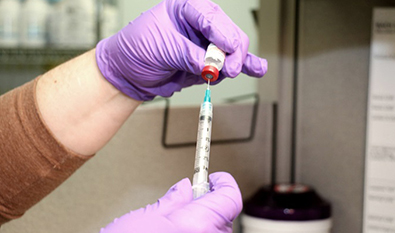
  • Get the HPV Vaccine: The HPV vaccine offers strong protection against high-risk HPV types (especially 16 and 18) responsible for most cervical cancers. Doctors recommend vaccination for both girls and boys between 9 and 26 years of age, ideally before the onset of sexual activity.
  • Schedule Regular Screening: Regular Pap smear and HPV tests help detect abnormal cervical cells early, allowing timely treatment before they progress into cancer.
  • Practice Safe Sex: Using protection and limiting multiple sexual partners reduce exposure to HPV and other sexually transmitted infections.
  • Quit Smoking: Smoking weakens cervical cells and increases the risk of precancerous changes. Quitting strengthens overall immunity.
  • Maintain a Strong Immune System: A balanced diet, regular exercise, adequate sleep, and stress management help the body fight infections naturally.
  • Ensure Good Hygiene and Nutrition: Maintaining genital hygiene and eating nutrient-rich foods that support immunity, such as fruits, vegetables, and whole grains, contribute to cervical health.

Regular gynaecological check-ups and awareness about HPV remain key to preventing cervical cancer and ensuring long-term reproductive health.

Life After Cervical Cancer Treatment

Life after cervical cancer treatment involves physical recovery, emotional healing, and regular medical follow-up. Doctors encourage patients to maintain open communication with their care team to monitor progress, manage side effects, and support long-term wellness.

Follow-up Care

Patients should attend all follow-up appointments, which may include pelvic exams, Pap smears, or imaging tests to check for recurrence. Early detection of any new changes helps ensure timely intervention.

Nutrition and Exercise

A balanced diet rich in antioxidants, lean proteins, and whole grains supports recovery and boosts immunity. Light physical activity, such as walking or yoga, helps improve strength, reduce fatigue, and enhance mood.

Emotional and Mental Health

Coping with cancer treatment can be emotionally challenging. Joining support groups or seeking counselling helps patients manage anxiety, depression, or body-image concerns. Emotional support from family and peers plays a vital role in regaining confidence and optimism.

Managing Side Effects

Some women may experience early menopause, fertility challenges, or fatigue after treatment. Doctors can recommend medications, lifestyle changes, or fertility counselling to manage these effects effectively.

Reproductive Health

Women who undergo fertility-preserving surgery, such as trachelectomy, should discuss future pregnancy plans with their doctor. Regular monitoring ensures safe conception and pregnancy outcomes.

With ongoing support, healthy habits, and a positive outlook, most women return to normal lives after treatment, resuming work, family responsibilities, and social activities with renewed strength.

When to See a Doctor?

Recognising early symptoms and seeking timely medical attention can prevent cervical cancer from advancing to later stages. Women should not ignore unusual vaginal bleeding, persistent pelvic discomfort, or any changes in menstrual patterns. Prompt evaluation helps detect abnormalities early, when treatment is most effective.

Consult a doctor if you experience:

  • Bleeding between menstrual periods, after sexual intercourse, or after menopause
  • Foul-smelling or blood-stained vaginal discharge
  • Pain in the pelvic area or during intercourse
  • Unexplained fatigue, weight loss, or leg swelling

Do not delay medical evaluation if any of these symptoms persist. Early diagnosis can make a significant difference in treatment success and overall health outcomes.

Conclusion

Cervical cancer remains one of the most preventable and treatable forms of cancer when detected early. Regular screening through Pap smear and HPV testing, along with timely vaccination, can dramatically reduce the risk of developing this disease.

If you notice any warning signs of cervical cancer, book an appointment with Rajiv Gandhi Cancer Institute & Research Centre’s (RGCIRC) gynaecologic oncology specialists for expert assessment and personalised care. Our team provides comprehensive screening, diagnosis, and advanced treatment for cervical and other gynaecologic cancers. Through a multidisciplinary approach and the latest technologies, RGCIRC strives to improve outcomes and quality of life for women at every stage of cervical cancer.

To consult a cancer specialist at Rajiv Gandhi Cancer Institute & Research Centre, call us at +91-11-47022222

________________________________________

Frequently Asked Questions (FAQs)

What are the first signs of cervical cancer?

Early signs often include abnormal vaginal bleeding between periods, after sexual intercourse, or post-menopause, as well as unusual discharge or pelvic discomfort. These symptoms warrant prompt medical evaluation.

Can cervical cancer be cured completely?

Yes, when diagnosed and treated in its early stages, cervical cancer is often curable through surgery, radiation, or chemotherapy. Regular screening increases the chances of detecting the disease early.

How does HPV infection lead to cervical cancer?

Persistent infection with high-risk types of Human Papillomavirus (especially HPV 16 and 18) causes changes in cervical cells that can develop into cancer over time if left untreated.

How often should women get a Pap smear or HPV test?

Doctors recommend a Pap smear every three years for women aged 21–29 and a Pap smear combined with an HPV test every five years for women aged 30–65, or as advised by the doctor.

Is cervical cancer hereditary?

Most cervical cancers result from HPV infection rather than inherited genetic factors. However, a family history of cervical or other gynaecologic cancers may slightly increase risk.

How effective is the HPV vaccine?

The HPV vaccine provides over 90% protection against the most common high-risk HPV strains that cause cervical cancer. It is most effective when given before exposure to the virus.

Can cervical cancer come back after treatment?

Yes, recurrence can occur, especially in advanced-stage cases. Regular follow-up visits, imaging, and Pap tests help detect any signs of recurrence early.

What is the survival rate for cervical cancer?

When diagnosed early, the five-year survival rate for cervical cancer can exceed 90%. Outcomes depend on the cancer stage, overall health, and treatment approach.

What foods help prevent cervical cancer?

A diet rich in antioxidants, vitamins A, C, and E, and foods such as fruits, vegetables, and whole grains can support immune health and help the body fight infections, including HPV.

Where can I find the best cervical cancer treatment near me in Delhi?

Rajiv Gandhi Cancer Institute & Research Centre in Delhi offers comprehensive cervical cancer screening, diagnosis, and advanced treatment, supported by expert oncologists and state-of-the-art facilities.

Related Articles

featured

Cervical Cancer

Opportunity to Help

DONATE FOR CANCER CARE

As a society, RGCIRC is looking forward to get support from generous people

Read More
DONATE BLOOD

It is a fact that there are absolutely no substitutes to replace human bloo...

Read More
DONATE TIME (VOLUNTEER)

Volunteers play an important role in today’s hospitals. They help the hos...

Read More

Rajiv Gandhi Cancer Institute & Research Centre is today counted amongst Asia’s premier exclusive cancer centres that offer unique advantage of cutting edge technology, put to use by renowned super specialists. This potent combination of man and machine ensures world-class cancer care to not only patients from India, but also from the neighboring SAARC countries and others.

D - 18, Sector - 5, Rohini, Delhi - 110085 | +91-11-47022222
OPD Timings: 09:00 am to 05:00 pm (All weekdays except Sunday and Holiday)
Emergency Services: 24x7

Mahendra Kumar Jain Marg, Niti Bagh, New Delhi - 110049 | Tel: +91-11-45822222 / 2200
OPD Timings: 09:00 am to 05:00 pm (All Weekdays except Sunday and Holiday)
Emergency Services: 24x7

Subscribe Today For Our Healthy Tips Newsletter
Loading