
RGCIRC Team

Cancer

2 February, 2026

World Cancer Day, observed every year on 4th February, is more than just a global awareness initiative – it is a collective call to rethink how we understand, prevent, and treat cancer. As the burden of cancer continues to rise around the world, including India, the focus is no longer only on treating the disease, but on caring for the person behind the diagnosis. World Cancer Day 2026, aligned with the global theme “United by Unique”, reinforces the need to place individuals, their experiences, and their needs at the centre of every stage of cancer care, marking a key evolution in oncology, from a purely disease-focused approach to one that recognises the emotional, social, and life-long impact of cancer on patients and their families.

As one of India’s foremost and leading comprehensive cancer centres, RGCIRC (Rajiv Gandhi Cancer Institute & Research Centre) uses this occasion not only to raise awareness, but to lead informed dialogue on what truly people-centred cancer care means today. Through its clinical expertise, research-driven practice, and commitment to holistic oncology, RGCIRC continues to shape conversations that place dignity, individual needs, and continuity of care at the heart of the cancer journey.

Understanding the Theme “United by Unique”

The global theme for World Cancer Day 2025–2027, “United by Unique”, recognises a simple yet powerful truth: no two cancer journeys are the same. Each person’s experience is shaped by their type of cancer, stage at diagnosis, age, emotional resilience, family support, social circumstances, and access to care. While the disease may carry the same name, its impact on life, identity, and wellbeing is deeply individual.

At the same time, the theme highlights unity, bringing together patients, caregivers, healthcare professionals, researchers, policymakers, and communities in a shared commitment to improve cancer outcomes. It calls for systems of care that are not only clinically advanced, but also empathetic, inclusive, and responsive to personal needs.

“United by Unique” therefore moves the conversation beyond statistics and survival rates. It urges the global health community to listen to individual voices, respect personal choices, and design care pathways that address the whole person, not just the tumour. For cancer centres and healthcare institutions, this means strengthening personalised diagnostics, tailored treatment planning, emotional and psychological support, and long-term survivorship care, while ensuring that compassion and dignity remain central to every interaction.

Why People-Centred Cancer Care is the Future of Oncology

Advances in cancer diagnosis and treatment have significantly improved survival outcomes, yet the experience of cancer extends far beyond clinical procedures and test results. Patients and their families navigate fear, uncertainty, lifestyle changes, and long-term physical and emotional challenges that cannot be addressed by medical interventions alone. This has led to a growing recognition that the future of oncology must be firmly rooted in people-centred care.

People-centred cancer care focuses on understanding each patient’s medical condition in the context of their life, values, and priorities. It involves personalised treatment planning based on tumour biology, stage of disease, and overall health, while also integrating psychological support, pain management, nutrition, rehabilitation, and survivorship planning. Clear communication, shared decision-making, and continuity of care across diagnosis, treatment, and follow-up are central to this approach.

Early Detection and Prevention: The First Pillar of People-Centred Cancer Care

Early detection and prevention form the foundation of effective cancer care. Identifying cancer at an early stage improves treatment outcomes, reduces the intensity of therapy required, and helps preserve quality of life. In a people-centred model, empowering individuals with knowledge and access to timely screening is essential.

Key components of this approach include:

  • Awareness of early warning signs, enabling individuals to seek medical attention without delay
  • Risk-based and age-appropriate screening, supporting early diagnosis of common cancers
  • Breaking fear and stigma, which often prevent people from coming forward for evaluation
  • Lifestyle and preventive guidance, including tobacco cessation, healthy diet, physical activity, vaccination, and management of hereditary risk factors
  • Community education and outreach, bringing reliable cancer information closer to the public

Through structured awareness programmes, screening initiatives, and public education, RGCIRC strengthens a proactive approach to cancer care – one that prioritises prevention, encourages early consultation, and supports timely, evidence-based intervention for better long-term outcomes.

Caring Beyond Cancer: Supporting the Person and the Family

Cancer care does not end with treating the cancer. Patients and their families often face emotional distress, physical side effects, social challenges, and long-term adjustments that require continuous support. A people-centred approach recognises these needs and ensures care that extends across every stage of the cancer journey.

Key aspects of holistic support include:

  • Psychological and emotional care, helping patients and caregivers cope with fear, anxiety, and the stress of diagnosis and treatment
  • Pain and symptom management, aimed at improving comfort, function, and daily quality of life
  • Nutritional and rehabilitation support, to aid recovery, maintain strength, and manage treatment-related side effects
  • Caregiver guidance and counselling, acknowledging the critical role families play in treatment adherence and emotional wellbeing
  • Survivorship and palliative care services, ensuring continuity of support during recovery, long-term follow-up, or advanced stages of illness

By addressing these dimensions alongside medical treatment, cancer care becomes more compassionate and comprehensive. Supporting both the patient and the family helps preserve dignity, strengthens resilience, and ensures that no individual has to navigate the cancer journey without understanding, guidance, and care.

From Individual Journeys to Collective Responsibility

While every cancer journey is unique, improving outcomes requires collective action. Patients, families, healthcare professionals, institutions, policymakers, and communities all play a role in building a cancer care ecosystem that is compassionate, accessible, and responsive to individual needs.

A people-centred approach calls for a collective commitment that brings together individuals, families, healthcare systems, and society at large. This includes:

  • Informed and proactive individuals who understand cancer risks, recognise early warning signs, and seek timely screening and medical consultation.
  • Empowered families and caregivers who are supported with clear information, counselling, and practical guidance to actively participate in treatment and recovery.
  • Healthcare systems focused on equity and access, ensuring that quality cancer services are available across socio-economic groups and geographic regions.
  • Strong research and policy support to advance prevention, strengthen early detection programmes, and make evidence-based treatments affordable and widely available.
  • Community engagement and advocacy to reduce stigma, encourage open conversations about cancer, and build a culture that prioritises early health-seeking behaviour.

By uniting around the needs of each individual, society can move towards cancer care that is not only scientifically advanced but also humane and inclusive. This collective responsibility reflects the spirit of “United by Unique”, where diverse experiences are acknowledged, yet all are supported through shared commitment and action.

How RGCIRC is Shaping the Future of People-Centred Cancer Care in India

At the time when oncology is moving towards more personalised, compassionate, and holistic models of care, RGCIRC continues to play a defining role in setting benchmarks for how cancer is treated in India. Its approach reflects a balance between advanced medical science and deep respect for the individual experience of every patient. Here’s are the five pillars that highlight how the institute is shaping the future of people-centred cancer care in the country:

Integrating Clinical Excellence with Individualised Care

RGCIRC’s approach to oncology is built on the understanding that every patient’s cancer journey is unique. Advanced diagnostics, precision-based treatment planning, and evidence-led protocols are combined with careful assessment of each patient’s overall health, emotional wellbeing, and personal circumstances, ensuring that care is both scientifically robust and individually tailored.

Multidisciplinary Care

Cancer treatment at RGCIRC is delivered through a coordinated team of surgical, medical, and radiation oncologists, supported by specialists in pathology, radiology, nursing, psycho-oncology, nutrition, rehabilitation, and palliative care. This collaborative model allows physical treatment to be seamlessly integrated with emotional support, symptom control, and quality-of-life interventions across all stages of care.

Research, Education, and Leadership in Oncology

As a research-driven institution, RGCIRC contributes to advancing cancer care through clinical research, adoption of emerging technologies, and continuous professional training. Its role extends beyond patient care to educating the community, guiding early detection efforts, and shaping evidence-based practices that influence cancer management standards in India.

Equitable Access for Marginalised and Underserved Patients

People-centred cancer care must also be inclusive. RGCIRC works to reduce barriers to diagnosis and treatment for economically and socially underserved patients through participation in government schemes, institutional support programmes, and community outreach initiatives. By promoting early screening, facilitating timely access to specialist care, and ensuring continuity of treatment, the institute strives to deliver ethical, compassionate, and quality oncology services to all, regardless of socio-economic background.

Compassion, Ethics, and Continuity of Care

From diagnosis to survivorship or end-of-life care, RGCIRC emphasises clear communication, shared decision-making, and long-term follow-up. Support for families and caregivers, along with ethical and compassionate treatment practices, ensures that patients feel respected, informed, and supported throughout their treatment journey.

Leading with Knowledge, Compassion, and Action

World Cancer Day 2026 is a reminder that while every cancer journey is unique, no one should have to face it alone. Progress against cancer depends on informed awareness, timely screening, early consultation, and access to compassionate, expert-led care.

As a centre committed to people-centred oncology, RGCIRC continues to lead efforts in awareness, early detection, research, and comprehensive cancer care. On this World Cancer Day, the institute encourages individuals and families to prioritise preventive health, engage in open conversations about cancer, and seek reliable medical guidance when needed.

To consult a specialist, schedule a screening, or learn more about cancer prevention and care, you can contact RGCIRC at +91-11-47022222 or +91 11 27051037. Through collective awareness, timely action, and the support of a trusted cancer centre, it is possible to move towards a future where cancer care is more personalised, compassionate, and hopeful.

Frequently Asked Questions


Q: When is World Cancer Day celebrated?

World Cancer Day is observed every year on 4th February to raise awareness about cancer, promote prevention and early detection, and encourage collective action to reduce the global cancer burden.

Q: What is the theme of World Cancer Day 2026?

World Cancer Day 2026 continues under the global campaign theme “United by Unique” (2025–2027), which highlights that every cancer journey is different and calls for people-centred, personalised, and compassionate care.

Q: What does the theme “United by Unique” mean?

The theme recognises that while cancer affects millions worldwide, each person’s experience is shaped by their medical, emotional, and social circumstances. It emphasises unity in action while respecting the individuality of every patient’s journey.

Q: Can cancer be prevented?

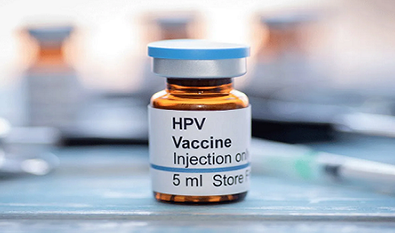
Not all cancers can be prevented, but many can be reduced through healthy lifestyle choices, tobacco and alcohol control, vaccination (such as HPV and Hepatitis B), regular screening, and early medical consultation for warning signs.

Q: Which cancers are most common in India?

Some of the most common cancers in India include breast cancer, cervical cancer, oral cancer, lung cancer, colorectal cancer, and prostate cancer, with patterns varying by age, gender, and region.

Q: Why is early detection important in cancer care?

Early detection allows cancer to be diagnosed at a stage when treatment is more effective, less intensive, and associated with better survival and quality of life. It also reduces complications and improves long-term outcomes.

Q: How can families support someone with cancer?

Families can support patients by offering emotional reassurance, helping with treatment decisions, encouraging adherence to therapy, providing practical assistance, and seeking professional counselling when needed to cope with stress and uncertainty.

Opportunity to Help

DONATE FOR CANCER CARE

As a society, RGCIRC is looking forward to get support from generous people

Read More
DONATE BLOOD

It is a fact that there are absolutely no substitutes to replace human bloo...

Read More
DONATE TIME (VOLUNTEER)

Volunteers play an important role in today’s hospitals. They help the hos...

Read More

Rajiv Gandhi Cancer Institute & Research Centre is today counted amongst Asia’s premier exclusive cancer centres that offer unique advantage of cutting edge technology, put to use by renowned super specialists. This potent combination of man and machine ensures world-class cancer care to not only patients from India, but also from the neighboring SAARC countries and others.

D - 18, Sector - 5, Rohini, Delhi - 110085 | +91-11-47022222
OPD Timings: 09:00 am to 05:00 pm (All weekdays except Sunday and Holiday)
Emergency Services: 24x7

Mahendra Kumar Jain Marg, Niti Bagh, New Delhi - 110049 | Tel: +91-11-45822222 / 2200
OPD Timings: 09:00 am to 05:00 pm (All Weekdays except Sunday and Holiday)
Emergency Services: 24x7

Subscribe Today For Our Healthy Tips Newsletter
Loading