
RGCIRC Team

Cancer

7 April, 2026

Every year on 7 April, the global community observes World Health Day – a date that marks the inception of the World Health Organization (WHO) and serves as a vital mandate for public health. While its origins are rooted in a post-war commitment to global well-being, its relevance in 2026 has never been more profound. As we navigate an era of unprecedented medical acceleration, this year’s theme, “Together for Science,” underscores a critical truth in oncology: the bridge between a diagnosis and a cure is built on the foundation of scientific synergy.

By integrating next-generation diagnostics, AI-driven screenings, and a global commitment to preventive health, we are moving away from “managing illness” toward “predictive science.”

World Health Day 2026 Theme

This year’s theme, “Together for Science,” shifts the focus from general awareness to the practical, life-saving application of scientific advancement.

Why “Together for Science”?

The 2026 theme is a call to action to bridge the gap between laboratory breakthroughs and bedside care. For an institution like RGCIRC, this theme resonates on three critical levels:

  • Evidence-Based Prevention: Science has proven that through genomic testing and precision screening, we can identify cancer risks long before they manifest as symptoms.
  • Technological Synergy: Celebrating the integration of Artificial Intelligence (AI) and next-generation diagnostics that allow for unprecedented accuracy in early detection – the cornerstone of cancer survival.
  • Collaborative Action: Recognising that science is most effective when it is accessible. “Together for Science” encourages a collaborative ecosystem where hospitals, researchers, and the public work in tandem to normalise routine health checkups as a standard of living.

By aligning with this theme, World Health Day 2026 serves as more than just a reminder – it is a global commitment to using the best of human intelligence to protect the sanctity of human life.

Early Detection is the Key to Improving Cancer Survival

The most critical determinant of a cancer patient’s prognosis is the stage at diagnosis.

At a cellular level, early-stage tumours are typically less heterogeneous and have a lower mutational burden. This makes them significantly more responsive to standard-of-care treatments. The advantages of catching cancer early include:

  • Expanded Therapeutic Options: When cancer is detected at an early stage, doctors often have a broader range of treatment options. Patients may be candidates for localised treatments such as precision surgery or targeted radiation therapy, which focus on removing or destroying the tumour while preserving surrounding healthy tissue. In some cases, this approach may reduce the need for more extensive systemic treatments.
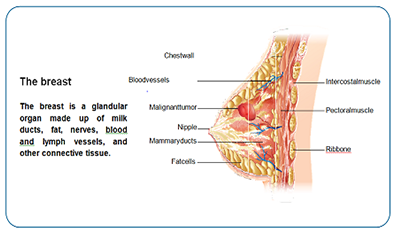
  • Organ Preservation: Modern science allows us to save the organ and its function. For example, early-stage breast cancer may require only a lumpectomy instead of a mastectomy, and early laryngeal or rectal cancers can often be treated while preserving speech and natural bowel function.
  • Statistical Survival Milestones: The five-year survival rate for many common cancers (such as breast, cervical, and colorectal) exceeds 90% when detected at a localised stage. Once the disease becomes metastatic, these figures can drop significantly.

Economic and Psychological Resilience

Beyond the clinical benefits, early detection protects the patient’s lifestyle and financial stability:

  • Reduced Treatment Complexity: Early-stage care typically involves fewer sessions, shorter hospital stays, and faster recovery times.
  • Lower Financial Toxicity: Research shows that treating early-stage cancer can be up to 7 times less expensive than managing advanced-stage disease, reducing the long-term economic burden on families.
  • Enhanced Survivorship: Patients diagnosed early experience fewer long-term side effects (like neuropathy or chronic fatigue), allowing for a seamless return to their professional and personal lives.

In 2026, we recognise that early detection is more than a clinical victory; it is a vital pillar of a resilient healthcare system. When we prioritise screening at the community level, the benefits extend far beyond the individual patient, creating a ripple effect that strengthens society as a whole.

  1. Reducing the Burden of Advanced-Stage Disease
  2. Elevating Population Survival Rates
  3. Mitigating the Economic Impact of Cancer
  4. Advancing Scientific Knowledge

When a community participates in screening, it contributes to the broader “Science” of oncology. Anonymised data from screening programmes helps researchers at RGCIRC identify regional cancer trends and environmental risk factors, leading to better-targeted public health policies for future generations.

How Science is Making Earlier Detection Possible

The shift from reactive treatment to proactive prevention is driven by a “scientific triad” of breakthroughs that are redefining the oncology landscape:

  • Precision Imaging & AI Integration: Beyond standard scans, modern technologies like 3-Tesla MRI, Digital Mammography with Tomosynthesis, and AI-enhanced
  • PET-CT can now identify metabolic changes and micro-tumours that were previously invisible to the human eye.
  • Molecular Insights & Liquid Biopsies: We are moving into the era of “Biomarker Science.” Through advanced blood tests (Liquid Biopsies) and genomic profiling, doctors can now detect circulating tumour DNA (ctDNA) and specific protein markers, identifying cancer at the molecular level before a physical mass even forms.
  • Evidence-Based Population Screening: Modern protocols are no longer “one-size-fits-all.” By leveraging data and risk-stratification, screening programmes are now personalised based on genetic predisposition and lifestyle factors, ensuring high-risk individuals receive the right tests at the right intervals.

When combined with greater public awareness and routine preventive health checkups, these scientific advances are helping shift cancer care from late-stage intervention to highly curable, early-stage management.

Screening vs Diagnosis

Although the terms are often used interchangeably, screening and diagnosis serve different purposes in medical care.

  • Cancer screening involves testing people who do not have symptoms to identify early signs of disease or precancerous changes.
  • Diagnosis occurs when tests are performed to confirm the presence of cancer after symptoms, abnormal screening results, or clinical suspicion arise.

Screening aims to detect cancer at a stage when treatment is likely to be more effective.

Screening Supports Early Detection of Cancer

Screening can help by:

  • Detecting precancerous lesions that may develop into cancer if untreated
  • Identifying early-stage tumours when treatment outcomes are typically better
  • Allowing doctors to monitor individuals who may be at higher risk of cancer

Gold-Standard Screening Modalities include:

  • Breast Cancer: Utilising Digital Mammography (and Tomosynthesis where indicated) to identify calcifications before they become palpable masses.
  • Cervical Cancer: Implementing High-Risk HPV DNA testing – now recognised as the primary screening tool – often in co-testing with Pap smears to virtually eliminate cervical cancer risk through early detection of pre-cancerous lesions.
  • Colorectal Cancer: Leveraging High-Sensitivity FIT (Fecal Immunochemical Tests) or Colonoscopies to detect and remove polyps before they transition into malignancy.
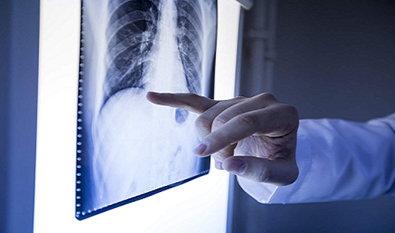
  • Lung Cancer: Utilising Low-Dose CT (LDCT) scans for high-risk cohorts (such as long-term smokers), a scientific breakthrough that has significantly lowered lung cancer mortality rates.

By integrating these targeted modalities into routine preventive health checkups, we transition from “reactive” oncology to a proactive clinical framework, ensuring that diagnosis happens at the stage where treatment is most conservative and most successful.

Common Cancer Screening Tests and General Timing: Quick Screening Guide

Cancer screening recommendations vary depending on age, individual risk factors, and family medical history. However, certain screening tests are widely recommended because they help detect specific cancers at an early and more treatable stage.

The table below provides a general overview of commonly used cancer screening tests.

Cancer Type Primary Screening Test General Age Group Typical Frequency
Breast Cancer Digital mammography 40+ years (earlier for high-risk) Annual or biennial
Cervical Cancer HPV DNA test or Pap smear 25–65 years Every 3–5 years
Colorectal Cancer FIT (stool test) or colonoscopy 45+ years Varies by test type
Lung Cancer Low-dose CT scan Adult smokers (high risk) Annual
Oral Cancer Clinical oral examination Adults with tobacco/alcohol use Periodic

Note: Screening schedules may differ based on personal risk factors, medical history, and doctor recommendations. Individuals with a family history of cancer or other risk factors may require earlier or more frequent screening.

What Preventive Health Checkups Typically Include

A high-level preventive assessment at a specialised institute like RGCIRC is data-driven and multi-dimensional. It typically includes:

  • Onco-Genetic Risk Mapping: A deep dive into family medical history to identify hereditary cancer syndromes that may necessitate specialised surveillance.
  • Biometric & Lifestyle Profiling: Assessment of modifiable risk factors, including tobacco exposure, metabolic health, and nutritional markers.
  • Clinical Screening Recommendations: Transitioning from “standard” tests to age-appropriate, evidence-based screenings (such as Digital Mammography or HPV DNA testing) tailored to the individual’s unique risk profile.
  • Targeted Diagnostics: Utilising baseline laboratory work and imaging to establish a “biological reference point” for future monitoring.

Prioritising Cancer

While cancer screening can benefit many individuals, certain groups may require closer monitoring because their risk of developing cancer may be higher. Preventive health checkups help doctors identify these individuals and recommend appropriate screening tests at the right time.

  1. Individuals Above a Certain Age

The likelihood of developing many cancers increases with age. Adults over 40 years of age are often advised to begin age-appropriate screening tests such as mammography, colorectal screening, or prostate evaluation based on medical guidance.

2. People With a Family History of Cancer

Individuals who have close relatives diagnosed with cancer may have a higher risk.

3. Tobacco Users and Former Tobacco Users

People who smoke or use tobacco products are at increased risk for cancers such as lung, oral, and bladder cancer. Screening and regular oral examinations may help identify early changes.

4. Individuals With Occupational or Environmental Exposure

People exposed to certain chemicals, pollutants, or radiation in their work environment may have a higher risk of developing specific cancers. Preventive health checkups can help monitor their long-term health.

The Barriers We Still Need to Overcome

Despite advances in medical science and the availability of screening programmes, many cancers are still diagnosed at later stages. Several factors continue to delay early detection, highlighting the need for greater awareness and improved access to preventive care.

  1. Limited Awareness About Screening
  2. Fear or Anxiety About Diagnosis
  3. Social and Cultural Stigma
  4. Financial and Accessibility Challenges
  5. Tendency to Ignore Early Symptoms

Addressing these barriers requires continued public awareness, improved access to screening services, and stronger collaboration between healthcare providers, policymakers, and communities.

Why Choose RGCIRC for Early Cancer Detection and Care?

As one of Asia’s premier exclusive cancer centers, RGCIRC combines over 25 years of clinical legacy with the cutting-edge science of 2026. Early detection at RGCIRC is not just a service; it is a specialised clinical protocol designed to identify disease at its most curable stage. Here’s why patients from across India trust RGCRIC for early cancer detection and care:

1. Multidisciplinary Tumour Board (MTB) Approach

At RGCIRC, a single diagnosis is never the responsibility of just one doctor. Each case is reviewed by a Multidisciplinary Tumour Board – a collaborative forum where surgical, medical, and radiation oncologists, along with specialised radiologists and molecular pathologists, converge. This synergy ensures a personalised treatment roadmap that adheres to international NCCN guidelines.

2. Next-Generation Diagnostic & Imaging Suite

Early detection is only as good as the technology behind it. RGCIRC offers a formidable “man and machine” combination, featuring:

  • Precision Imaging: 3T-MRI, Digital Mammography with Tomosynthesis (3D Mammography), and AI-enhanced PET-CT for unparalleled clarity.
  • Molecular Diagnostics: Advanced histopathology and liquid biopsies that detect cancer markers at the genomic level.
  • Organ-Sparing Innovations: A focus on focal therapies and minimally invasive techniques that prioritise both survival and quality of life.


3. Comprehensive Cancer Genetics Counselling Clinic

Understanding that up to 10% of cancers are hereditary, RGCIRC’s Cancer Genetics Clinic provides specialised risk mapping and counseling. By identifying genetic mutations like BRCA1/2 or Lynch Syndrome, we empower families with proactive surveillance and preventive strategies before cancer even has a chance to develop.

4. A Continuum of Care: From Prevention to Survivorship

Our commitment to the patient does not end with treatment. RGCIRC’s structured Survivorship Programmes (such as Maitri and The Pink Clinic) provide long-term monitoring, onco-rehabilitation, and psychological support, ensuring that our patients don’t just survive, but thrive.

What You Can Do This World Health Day 2026

While the scientific community continues to push the boundaries of what is possible in oncology, the most significant factor in cancer survival remains individual action.

This year, you can stand “Together for Science” by taking four concrete steps:

1. Schedule Your “Maintenance” Checkup

Don’t wait for a symptom to be the catalyst for a doctor’s visit. If you are over the age of 40, or have a family history of cancer, use this World Health Day to schedule a preventive health screening. At RGCIRC, our specialised screening packages are designed to provide a comprehensive biological snapshot of your health.

2. Know Your Family “Health Map”

Science has shown that genetics play a significant role in cancer risk. Take the time to talk to your relatives about their medical history. Understanding your genetic predisposition allows you to work with spcialists to create a personalised surveillance plan, potentially identifying risks decades in advance.

3. Commit to “Lifestyle Science”

Approximately one-third of cancer deaths are linked to modifiable risk factors. Use this day to audit your habits:

  • Tobacco Cessation: Eliminating tobacco in all forms remains the single most effective way to lower cancer risk.
  • Nutritional Integrity: Prioritise a diet rich in antioxidants and low in processed foods.
  • Physical Activity: Regular exercise is scientifically proven to regulate hormone levels and strengthen the immune system’s natural “search and destroy” mechanisms against abnormal cells.

4. Become an Advocate for Awareness

Science is only effective when it is shared. Encourage a friend or family member to join you for a checkup. Share evidence-based information about the high success rates of early-stage cancer treatment to help dismantle the social stigma and fear that often prevent people from seeking care.

Science is the Bridge, You are the Catalyst

Take the first step toward a healthier tomorrow.

To consult a cancer specialist or to book a preventive health screening at RGCIRC, call +91-11-47022222.

FAQs


Q1: What is the theme of World Health Day 2026?

A: The theme for World Health Day 2026 is “Together for Science.” It highlights the global necessity of standing with scientific evidence and fostering collaboration between researchers, healthcare institutions, and the public to turn medical breakthroughs into accessible life-saving actions.

Q2: Why is early cancer detection important?

A: Early detection identifies cancer at its most curable and manageable stage. Scientifically, treating a localised tumour is far more effective and less invasive than treating metastatic disease. It significantly improves survival rates, lowers the cost of care, and preserves the patient’s long-term quality of life.

Q3: What are the most common cancer screening tests?

A: The gold-standard screening modalities include:

  • Breast Cancer: Digital Mammography (often with Tomosynthesis).
  • Cervical Cancer: HPV DNA testing and Pap smears.
  • Colorectal Cancer: Colonoscopy or high-sensitivity stool-based tests (FIT).
  • Lung Cancer: Low-dose CT (LDCT) scans for high-risk individuals.
  • Oral Cancer: Clinical visual and tactile examinations.

Q4: At what age should cancer screening begin?

A: Screening age is determined by individual risk stratification. Generally, breast cancer screening starts at age 40, and cervical screening at 25. However, if you have a family history of cancer or specific genetic markers, your clinician may recommend an accelerated schedule. It is best to consult an oncologist for a personalised “Health Map.”

Q5: How often should you get screened for cancer?

A: Frequency depends on the specific cancer type and previous test results. For example, a clear HPV test might mean screening every 5 years, while mammography is typically annual or biennial. Your doctor will provide a structured follow-up plan based on evidence-based clinical protocols.

Q6: Can cancer be cured if detected early?

A: Yes. Many cancers, such as breast, cervical, and skin cancers, have survival rates exceeding 90% when diagnosed at Stage I or II. Early detection allows for “curative intent” treatments that are designed to eliminate the disease permanently before it can spread.

Q7: Is cancer screening painful or risky?

A: Modern screening is designed to be minimally invasive and safe. While some tests (like a mammogram) may involve brief pressure, the clinical benefit of identifying a life-threatening illness early far outweighs any temporary discomfort. At RGCIRC, we use the latest ergonomic technology to prioritise patient comfort.

Q8: How can I participate in World Health Day 2026?

A: You can join the #TogetherForScience movement by:

  1. Scheduling a preventive health checkup at RGCIRC.
  2. Discussing your family medical history with your relatives.
  3. Sharing evidence-based screening guidelines with your social circle to dismantle the stigma of diagnosis.

Opportunity to Help

DONATE FOR CANCER CARE

As a society, RGCIRC is looking forward to get support from generous people

Read More
DONATE BLOOD

It is a fact that there are absolutely no substitutes to replace human bloo...

Read More
DONATE TIME (VOLUNTEER)

Volunteers play an important role in today’s hospitals. They help the hos...

Read More

Rajiv Gandhi Cancer Institute & Research Centre is today counted amongst Asia’s premier exclusive cancer centres that offer unique advantage of cutting edge technology, put to use by renowned super specialists. This potent combination of man and machine ensures world-class cancer care to not only patients from India, but also from the neighboring SAARC countries and others.

D - 18, Sector - 5, Rohini, Delhi - 110085 | +91-11-47022222
OPD Timings: 09:00 am to 05:00 pm (All weekdays except Sunday and Holiday)
Emergency Services: 24x7

Mahendra Kumar Jain Marg, Niti Bagh, New Delhi - 110049 | Tel: +91-11-45822222 / 2200
OPD Timings: 09:00 am to 05:00 pm (All Weekdays except Sunday and Holiday)
Emergency Services: 24x7

Subscribe Today For Our Healthy Tips Newsletter
Loading