

alarm RGCIRC, Niti Bagh alarm Emergency - 24/7 Book an Appointment Find a Doctor

RGCIRC Team

Cancer

16 September, 2026

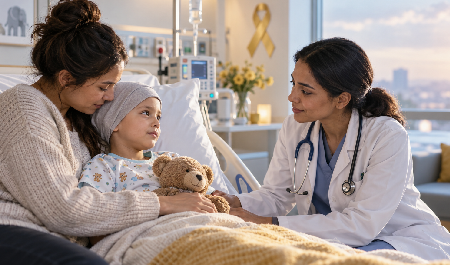
World Rose Day 2026 is dedicated to the welfare of people living with cancer and to recognising the support they may need beyond medical treatment. It is a reminder that compassionate cancer care also includes clear communication, symptom relief, nutrition, emotional support, rehabilitation and practical help for patients and families as they move through treatment and recovery.

Unlike awareness days centred mainly on prevention or early detection, its focus is more personal: recognising what patients and families go through during cancer treatment and encouraging society to support them with compassion, dignity and practical help.

In India, the Cancer Patients Aid Association (CPAA) launched its Rose Day initiative on 22 September 1994 as a way to connect with cancer patients beyond the medical aspects of their care. The rose became a simple symbol of care and solidarity, while the initiative grew to include patient outreach, emotional support and efforts to bridge gaps in cancer treatment and care. CPAA now observes the occasion as National Cancer Rose Day in India.

Cancer Affects More Than Physical Health

Cancer and its treatment can affect many parts of a person’s life at the same time. Alongside the physical effects of the disease, patients may need to cope with changes in appetite, sleep, energy, mobility, appearance, work, finances and family responsibilities. The impact can also continue between treatment cycles and during recovery.

1. Emotional and Psychological Wellbeing

Fear, uncertainty, low mood, anxiety or difficulty adjusting to a diagnosis are common concerns during cancer care. Some patients may also worry about recurrence, treatment outcomes or how the illness is affecting their family.

Support from psychologists, counsellors, support groups and the treating team can help patients express these concerns, develop coping strategies and feel less isolated during treatment.

2. Everyday Life and Responsibilities

Cancer treatment may disrupt routines that once felt normal. Patients may need time away from work, help with household responsibilities, assistance travelling to appointments or support in caring for children or older family members.

For many families in India, treatment may also involve travelling to another city and staying away from home for weeks or months. These practical changes can add to the stress of treatment and make family or caregiver support especially important.

3. Supportive Care During Cancer Treatment

Cancer treatment can affect people in very different ways. One person may struggle mainly with fatigue, while another may deal with nausea, pain, poor appetite, mouth problems or changes in mobility. Supportive care focuses on recognising these problems early and helping patients manage them alongside their cancer treatment.

4. Managing Treatment-Related Symptoms and Side Effects

Patients should feel comfortable telling their care team about new or worsening symptoms rather than waiting for them to become difficult to manage. Depending on the problem, doctors may recommend medicines, changes in supportive treatment, dietary measures, physiotherapy or other interventions.

Side effects also vary between patients receiving the same treatment, so care needs to be individualised rather than based on what someone else experienced.

5. Supporting Nutrition During Treatment

Cancer and its treatment may affect appetite, taste, swallowing, digestion and body weight. A dietitian can help patients find practical ways to meet their nutritional needs, especially when eating becomes difficult.

This may involve adjusting meal size and texture, increasing protein or calorie intake where appropriate, or addressing symptoms such as nausea and mouth soreness that interfere with eating. Good nutrition support is not about following a “cancer diet”; it is about helping the body cope with treatment and reducing the risk of malnutrition.

6. Maintaining Strength, Mobility and Independence

Fatigue and reduced activity can make everyday tasks harder during and after treatment. Where medically appropriate, gentle movement, exercise and rehabilitation may help patients maintain strength, physical function and independence. The type and intensity of activity should be adapted to the person’s treatment, symptoms and overall health.

7. Supporting Family Members and Caregivers During Cancer Care

Cancer often affects the whole family, not only the person receiving treatment. Family members and friends may help with hospital visits, medicines, meals, household responsibilities, finances and emotional support. Over time, these responsibilities can become physically and emotionally demanding, especially when treatment continues for weeks or months.

Sharing Caregiving Responsibilities

One person should not have to manage every practical need alone. Where possible, families can divide responsibilities such as:

  • Accompanying the patient to appointments
  • Preparing meals and helping with medicines
  • Managing household tasks or childcare
  • Arranging transport and treatment-related paperwork
  • Keeping relatives informed so the patient does not have to repeat updates constantly

Sharing responsibilities can make caregiving more manageable and help prevent one family member from becoming overwhelmed.

1. Supporting the Caregiver’s Wellbeing

Caregivers may put their own needs aside while focusing on the patient. Yet they may also experience stress, tiredness, anxiety and difficulty balancing care with work or family responsibilities. Asking for help, taking regular breaks and speaking with a counsellor or support group when needed can help caregivers cope more sustainably.

2. Keeping Communication Open

Open, respectful communication can help families understand what kind of support the patient actually wants. It also gives caregivers space to discuss their own concerns and ask the healthcare team for guidance when responsibilities become difficult to manage.

Supporting caregivers is therefore part of supporting the patient. When families receive clear information, practical guidance and emotional support, they are better placed to accompany their loved one through treatment without feeling that they have to manage everything on their own.

Practical and Financial Challenges During Cancer Treatment

Cancer care can bring practical pressures that are easy to underestimate. Alongside appointments and treatment, patients and families may need to manage travel, accommodation, time away from work, household responsibilities and treatment-related expenses. These concerns can add stress at a time when attention is already focused on health.

Treatment-Related Costs

Cancer-related expenses can include more than hospital bills. Medicines, investigations, travel, accommodation and loss of income may all contribute to what is sometimes called financial toxicity, or the financial strain associated with cancer care.

Patients should feel comfortable raising financial concerns with the care team rather than delaying medicines, missing appointments or changing treatment on their own. Social workers, financial counsellors or patient-support services may be able to guide families towards insurance benefits, charitable assistance or other available support.

Palliative Care Supports Comfort and Quality of Life

Palliative care is an important part of cancer care for patients who need help managing pain, other symptoms or the wider emotional and practical impact of illness. It focuses on improving quality of life and can be provided alongside cancer treatment, not only when treatment has stopped or the disease is advanced.

Managing Pain and Other Symptoms

Cancer itself, as well as treatments such as surgery, chemotherapy or radiotherapy, may cause symptoms that affect comfort and daily functioning. Palliative care teams can help manage concerns such as:

  • Pain
  • Breathlessness
  • Nausea or vomiting
  • Fatigue
  • Loss of appetite
  • Sleep problems
  • Other distressing symptoms related to the disease or treatment

The aim is to recognise these concerns early and manage them in a way that helps the patient remain as comfortable and active as possible.

Supporting Emotional, Social and Spiritual Needs

Palliative care also looks beyond physical symptoms. Patients may need help coping with anxiety, uncertainty, changes in independence or difficult decisions about care. Family members and caregivers may need support as well.

Depending on individual needs, palliative care may involve doctors, nurses, counsellors, psychologists, social workers, physiotherapists and other members of the healthcare team.

Support After Cancer Treatment Ends

Finishing treatment is an important milestone, but it does not always mean that life immediately returns to how it was before cancer. Some people continue to experience fatigue, changes in strength, emotional distress or treatment-related effects, while others may worry about recurrence or feel uncertain about what comes next.

Follow-Up Care After Treatment

Regular follow-up helps doctors monitor recovery, check for possible late effects of treatment and look for any changes that may need further evaluation. The type and frequency of follow-up depend on the cancer, treatment received and the individual’s overall health.

A follow-up or survivorship care plan may include:

  • A summary of the treatment received
  • A schedule for future check-ups and tests
  • Symptoms or treatment-related effects to watch for
  • Guidance on nutrition, physical activity and general health
  • Referrals for emotional, social or rehabilitation support when needed

Adjusting to Everyday Life

Returning to work, family responsibilities or familiar routines may take time. Some people feel relieved when treatment ends, while others experience anxiety, especially around follow-up scans or new symptoms. Both responses are understandable.

Patients should feel comfortable discussing ongoing physical or emotional concerns with their healthcare team rather than assuming they simply have to live with them. Counselling, rehabilitation, symptom management or other supportive services may continue to be useful even after active treatment has ended.

How to Support Someone Living With Cancer

Support does not always mean knowing the right thing to say. Often, it means being present, listening without judgement and helping in ways that make everyday life a little easier. What feels supportive will vary from one person to another, so it is better to ask than to assume.

1. Offer Help

Specific offers are often easier to accept than saying, “Let me know if you need anything.” Depending on the situation, support may include:

  • Accompanying the person to hospital appointments
  • Helping with meals, shopping or household tasks
  • Arranging transport
  • Supporting childcare or eldercare responsibilities
  • Helping organise reports, prescriptions or appointment schedules

2. Respect the Patient’s Independence

A cancer diagnosis can make people feel that many decisions are suddenly being made around them. Wherever possible, patients should remain involved in choices about their daily routine, treatment discussions and the kind of help they want.

Support should therefore balance care with respect for privacy, independence and personal preferences.

Stay Connected Beyond the Initial Diagnosis

This is perhaps one of the simplest messages behind World Rose Day: meaningful support does not always require a grand gesture. Consistent, respectful and thoughtful support can help patients feel less alone as they move through treatment, recovery and life beyond cancer.

Compassionate Supportive Cancer Care at RGCIRC

At Rajiv Gandhi Cancer Institute & Research Centre (RGCIRC), cancer care extends beyond diagnosis and treatment to the wider needs of patients and families. Alongside specialised oncology services, patients can access psycho-oncology support, nutritional guidance, physiotherapy and onco-rehabilitation, pain and palliative care, and caregiver support according to their individual needs.

This multidisciplinary approach brings together clinical expertise with empathy and ongoing support. Psycho-oncology services help patients and caregivers cope with emotional concerns, while rehabilitation focuses on restoring strength, movement and everyday function. Dietitians provide individualised nutritional support, and palliative care helps address pain, symptoms and quality-of-life concerns when needed.

By combining clinical excellence, specialist expertise and compassionate care, RGCIRC aims to support patients not only through cancer treatment, but also through the physical, emotional and practical challenges that may come with it.

To consult a cancer specialist at Rajiv Gandhi Cancer Institute & Research Centre, call +91-11-47022222 or visit www.rgcirc.org.

Frequently Asked Questions

When is World Rose Day observed?

World Rose Day is observed on 22 September each year. The day focuses on the welfare of people affected by cancer and the importance of compassionate support during and beyond treatment.

What is the purpose of World Rose Day?

World Rose Day encourages greater understanding of the physical, emotional and practical challenges that may come with cancer. It also reminds families, caregivers and communities that meaningful support can make the treatment journey easier to manage.

How can I emotionally support someone with cancer?

Listen without judgement, allow them to talk about difficult feelings and avoid pressuring them to “stay positive”. Asking what kind of support they would find helpful is often better than assuming what they need.

Is palliative care only for people with advanced cancer?

No. Palliative care may be provided alongside cancer treatment whenever a patient needs help managing pain, symptoms, emotional concerns or quality-of-life issues.

Do cancer caregivers also need support?

Yes. Caregiving can bring emotional stress, physical tiredness and added responsibilities at home or work. Caregivers may benefit from practical help, counselling, support groups and time to look after their own wellbeing.

What support may patients need after cancer treatment ends?

Needs vary, but some patients may require follow-up care, rehabilitation, emotional support, help managing persistent treatment effects and guidance as they return to work, family responsibilities or everyday routines.

What should I look for in a hospital for comprehensive cancer care in Delhi?

Look for a cancer centre that combines specialist oncology expertise with supportive services such as psycho-oncology, nutritional care, rehabilitation, pain management and palliative care. Comprehensive care should address both the cancer itself and the physical, emotional and practical needs that may arise during treatment and recovery.