RGCIRC Team

Lung Cancer

22 October, 2025

Lung Cancer Awareness Month, observed every year in November, is a global initiative dedicated to highlighting one of the most common and serious forms of cancer – lung cancer. The objective of the day is to increase awareness about lung cancer, encourage preventive measures, and promote early detection. With lung cancer often diagnosed at an advanced stage, awareness plays a vital role in inspiring timely medical consultations and improving outcomes. In this article, we will explore why Lung Cancer Awareness Month matters, the role of the lungs in overall health, the common causes, risk factors and symptoms of lung cancer, and how early screening and treatment can make all the difference.

Why Lung Cancer Awareness Month Matters

Lung Cancer Awareness Month began as a global effort to shed light on a disease that remains one of the most serious cancer burdens worldwide. November was chosen to honour patients, support families, and strengthen advocacy for research and better care. Over the years, awareness campaigns have helped challenge the stigma often associated with lung cancer, reminding people that it can affect smokers and non-smokers alike.

Key facts that highlight the importance of this awareness initiative include:

  • Leading cause of cancer-related deaths: Lung cancer accounts for the highest mortality rates among both men and women globally.
  • Strong link with smoking: About 85% of lung cancer cases are caused by tobacco use, making smoking the single biggest risk factor.
  • Late diagnosis: Most patients are diagnosed at advanced stages, when treatment options are limited.
  • Role of screening: Detecting lung cancer early in high-risk individuals through screening can dramatically improve survival rates.
  • Power of prevention: Tobacco control, reducing air pollution, and minimising exposure to occupational hazards can significantly cut down new cases.

In India, lung cancer is among the fastest-growing cancers, with pollution and lifestyle changes adding to the burden. The white ribbon symbolises this global movement, serving as a reminder of the need for prevention, screening, and compassionate support.

Understanding the Lungs and Their Role in Health

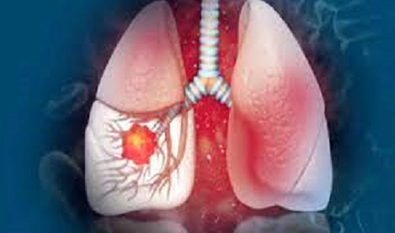
The lungs are a pair of vital organs that enable breathing, supplying oxygen to the body and removing carbon dioxide. Every cell in the body relies on this oxygen to produce energy, making healthy lungs essential for survival and overall wellbeing.

When the lungs are functioning properly, they keep the body energised, support physical activity, and maintain immunity. However, factors such as smoking, air pollution, occupational hazards, or infections can damage the lungs and increase vulnerability to conditions such as chronic obstructive pulmonary disease (COPD) and lung cancer.

Protecting lung health is therefore critical. By recognising the risks, avoiding harmful exposures, and seeking regular medical check-ups, individuals can take proactive steps to safeguard this vital organ system.

Causes and Risk Factors of Lung Cancer

Lung cancer develops when abnormal cells in the lungs grow uncontrollably, often influenced by certain risk factors. Common causes and risk factors that can lead to lung cancer include:

  • Smoking and Second-hand Smoke: Cigarette smoking remains the leading cause of lung cancer worldwide, responsible for the majority of cases. The harmful chemicals in tobacco smoke damage the cells lining the lungs, leading to mutations that may develop into cancer over time. Even non-smokers are at risk when regularly exposed to second-hand smoke, as it contains many of the same carcinogens inhaled by smokers themselves.
  • Family History and Genetics: A family history of lung cancer can increase susceptibility, particularly when a close relative such as a parent or sibling has been affected. Certain inherited gene mutations and variations in how the body metabolises carcinogens can also make some individuals more prone to the disease.
  • Air Pollution and Occupational Hazards: Long-term exposure to polluted air, particularly fine particulate matter such as PM 2.5, asbestos, or other carcinogens in workplaces can significantly increase the risk of lung cancer. The danger is higher in urban areas where PM 2.5 levels frequently exceed safe limits, making clean air initiatives and workplace safety measures essential for prevention.
  • Lifestyle Contributors: Poor lifestyle habits such as excessive alcohol intake, unhealthy diet, and lack of physical activity can weaken the immune system and reduce the body’s ability to repair cellular damage. Diets low in fruits and vegetables deprive the body of protective antioxidants, while a sedentary lifestyle may impair lung function over time.

Symptoms of Lung Cancer

Lung cancer often develops silently, with early stages showing little or no signs. However, recognising symptoms when they appear can make a crucial difference in seeking timely medical attention. Common symptoms of lung cancer include:

  • Persistent Cough: A cough that does not go away or worsens over time.
  • Coughing Up Blood: Even small amounts of blood in sputum should not be ignored.
  • Breathlessness and Chest Pain: Difficulty breathing or discomfort in the chest during normal activity.
  • Hoarseness: Changes in voice that last for weeks.
  • Unexplained Weight Loss and Fatigue: Losing weight without trying or feeling constantly tired.

These symptoms may overlap with other respiratory conditions such as tuberculosis or chronic bronchitis, but if they persist, consulting a specialist is essential. Early medical evaluation can rule out serious conditions or confirm lung cancer at a stage when treatment is most effective.

Importance of Early Detection of Lung Cancer

Early detection is one of the most powerful tools in the fight against lung cancer. When the disease is identified at an initial stage, treatment options are more effective, less invasive, and survival rates are significantly higher. In contrast, most patients are diagnosed in advanced stages, when the cancer has already spread and treatment becomes more complex.

Unfortunately, barriers such as stigma, lack of awareness, and limited access to regular screening often delay diagnosis. Many people dismiss persistent cough, chest pain, or fatigue as minor health issues, losing precious time. Awareness campaigns during Lung Cancer Awareness Month aim to change this by encouraging individuals, especially those at higher risk, to undergo timely screening and not ignore early warning signs.

Recognising symptoms promptly and seeking medical advice can be lifesaving. With advancements in screening and diagnostic tools, detecting lung cancer early is more achievable than ever before.

Who Should Get Screened and When?

Not everyone requires routine screening for lung cancer, but it is highly recommended for people in high-risk groups. Knowing when to get screened can help detect the disease early, even before symptoms develop.

  • Current or Former Smokers: Individuals with a history of smoking one pack a day for 20 years or more, even if they quit recently, are at the highest risk.
  • Family History: Those with close relatives diagnosed with lung cancer should consider early and regular screening.
  • Age Guidelines: Screening is generally advised for adults between 50 and 80 years of age who have a history of heavy smoking or ongoing exposure to risk factors.
  • Occupational and Environmental Exposures: People exposed to asbestos, radon gas, or long-term polluted air are also candidates for regular check-ups.

The frequency of screening depends on the individual’s risk profile. High-risk patients may be advised to undergo annual low-dose CT scans. Consulting an oncologist or pulmonologist ensures that the right screening schedule is followed.

Common Lung Cancer Screening Tests

Screening tests help identify lung cancer at an early stage, even before symptoms appear. For individuals at high risk, these tests can make the difference between early treatment and late detection. Common lung cancer screening tests include:

  • Low-Dose CT Scan (LDCT): Currently the most effective screening tool, LDCT uses minimal radiation to create detailed images of the lungs and detect small nodules or tumours.
  • Chest X-ray: Although less sensitive than CT scans, chest X-rays may sometimes be used as a preliminary test to spot abnormalities.
  • PET Scan and MRI: Advanced imaging methods that help determine the spread of cancer and guide treatment planning.
  • Biopsy and Molecular Tests: When suspicious growths are found, a biopsy confirms the diagnosis. Molecular testing can further identify genetic mutations, allowing doctors to recommend targeted therapies.

These tests are recommended primarily for those with significant risk factors. Screening does not prevent lung cancer but enables earlier treatment, which greatly improves outcomes.

Diagnosing Lung Cancer: What to Expect

If screening or symptoms suggest lung cancer, further tests are performed to confirm the diagnosis and understand the stage of the disease. The process usually involves:

  • Medical History and Physical Examination: Doctors begin by assessing symptoms, lifestyle factors such as smoking, and family history.
  • Imaging Tests: CT, PET, or MRI scans are used to locate suspicious areas and determine whether the cancer has spread.
  • Biopsy Procedures: A small sample of tissue is taken from the lung or lymph nodes using techniques such as bronchoscopy or needle biopsy. This confirms the presence of cancer cells.
  • Staging: Once confirmed, the cancer is staged from I to IV. Early stages mean the cancer is confined to the lungs, while advanced stages indicate spread to other organs.
  • Understanding Reports: Pathology and staging reports guide the treatment plan, helping doctors decide the most effective combination of therapies.

A clear diagnosis and accurate staging are essential for tailoring treatment to each patient, ensuring the best possible outcomes.

Treatment Options for Lung Cancer

Treatment for lung cancer depends on the type, stage, and overall health of the patient. Advances in oncology now offer a wide range of therapies that can be used alone or in combination to improve survival and quality of life. Treatment approach for lung cancer includes:

  • Surgery: Recommended when cancer is detected at an early stage. Surgeons may remove part of a lung (lobectomy) or an entire lung (pneumonectomy) to eliminate cancerous tissue.
  • Radiation Therapy: High-energy beams target and destroy cancer cells. It is often used when surgery is not possible or in combination with other treatments.
  • Chemotherapy: Anti-cancer drugs are used to kill rapidly dividing cells. It may be given before surgery to shrink tumours, after surgery to prevent recurrence, or alongside radiation.
  • Targeted Therapy: These medicines specifically attack cancer cells with certain genetic mutations, sparing most healthy cells.
  • Immunotherapy: A modern approach that boosts the body’s immune system to recognise and destroy cancer cells.
  • Lifestyle and Nutritional Support: Alongside medical treatment, maintaining a healthy diet, staying active, and receiving counselling help patients cope with side effects and maintain strength.

Living with Lung Cancer: Care and Support

A lung cancer diagnosis brings not only physical challenges but also emotional and social ones. With the right care and support, patients can continue to live meaningful lives while managing the condition. To make this journey easier, different aspects of care need to be addressed, such as:

  • Managing Side Effects: Treatments such as chemotherapy and radiation may cause fatigue, nausea, or changes in appetite. Supportive medicines and rehabilitation therapies can ease these effects.
  • Emotional and Psychological Wellbeing: Anxiety, depression, and fear are common. Access to counselling, mindfulness practices, and mental health services provides strength and resilience.
  • Diet and Exercise: A balanced diet rich in nutrients, combined with light physical activity, can help maintain energy levels and support recovery.
  • Caregivers and Support Groups: Families, friends, and patient groups play a vital role by offering encouragement, sharing experiences, and reducing the feeling of isolation.

Living with lung cancer is a journey that requires medical treatment, emotional strength, and a network of support. Together, these elements help patients maintain dignity, hope, and a better quality of life.

How to Prevent Lung Cancer and Protect Lung Health

While not all cases of lung cancer can be prevented, many risk factors are within human control. Adopting healthier habits and avoiding harmful exposures can significantly lower the risk. Some preventive measures include:

  • Quit Smoking and Avoid Second-hand Smoke: Stopping smoking at any age reduces the risk of lung cancer, while avoiding environments with second-hand smoke further protects lung health.
  • Healthy Diet and Regular Exercise: Eating a diet rich in fruits, vegetables, and whole grains, along with staying physically active, strengthens immunity and helps the lungs function better.
  • Reduce Exposure to Pollutants: Limiting contact with harmful substances such as asbestos, radon gas, industrial fumes, and fine particulate matter like PM 2.5 helps lower lung cancer risk. These tiny particles can penetrate deep into the lungs, so avoiding high-pollution areas and ensuring cleaner indoor air are important preventive steps.
  • Limit Alcohol Intake: Excessive alcohol weakens the body’s natural defences, making it more vulnerable to various cancers, including lung cancer.
  • Regular Medical Check-ups: High-risk individuals, such as smokers or those with a family history of lung cancer, should undergo regular screenings for early detection.

Preventive measures are not only about avoiding disease but also about improving overall health and resilience.

Final Thoughts: Breaking the Stigma Around Lung Cancer

Lung cancer continues to carry a stigma, often wrongly associated only with smoking. In reality, the disease affects both smokers and non-smokers, influenced by multiple genetic, lifestyle, and environmental factors. This misconception can delay diagnosis, discourage patients from seeking help, and create unnecessary emotional burdens.

Lung Cancer Awareness Month serves as a reminder that prevention, early detection, and compassionate support can save many lives. By spreading knowledge, encouraging screening, and standing by those affected, communities can break barriers of silence and fear. To know more about lung cancer treatment or to consult a specialist at Rajiv Gandhi Cancer Institute & Research Centre (RGCIRC), call us at +91-11-47022000.

Frequently Asked Questions(FAQs)

Q: When is Lung Cancer Awareness Month 2025 observed?

Lung Cancer Awareness Month is observed worldwide in November 2025, with the aim of raising awareness about prevention, risk factors, symptoms, and the importance of early detection.

Q: What colour ribbon represents Lung Cancer Awareness?

The white ribbon symbolises Lung Cancer Awareness. Wearing it or sharing it during Lung Cancer Awareness Month shows support for patients and spreads awareness in the community.

Q: Who is most at risk of lung cancer?

People who smoke, those exposed to second-hand smoke, individuals with a family history of lung cancer, and those working in polluted or high-risk environments are more vulnerable. Air pollution in cities such as Delhi has also been identified as a rising lung cancer risk factor.

Q: Can non-smokers also get lung cancer?

Yes, non-smokers can also develop lung cancer due to factors such as air pollution, particularly fine particulate matter like PM 2.5, genetic mutations, occupational exposure to toxins, or long-term respiratory conditions.

Q: How effective is lung cancer screening?

Lung cancer screening tests such as the low-dose CT scan (LDCT) are highly effective in detecting cancer at an early stage, when treatment options such as surgery, radiation therapy, chemotherapy, targeted therapy, and immunotherapy can offer better outcomes.

Q: What role does air pollution play in lung cancer risk?

Prolonged exposure to polluted air, especially high concentrations of PM 2.5, significantly increases the risk of lung cancer. These microscopic particles can reach deep into the lungs, causing inflammation and DNA damage, particularly in urban areas with dense smog and industrial emissions.

Q: Are lung cancer symptoms different in men and women?

While common lung cancer symptoms such as persistent cough, chest pain, coughing blood, and unexplained weight loss are similar in both men and women, some studies suggest women may present with different tumour biology, affecting treatment response.

Q: What is the survival rate of lung cancer if detected early?

When detected in its early stages, lung cancer survival rates improve dramatically. Many patients can be treated successfully with surgery or targeted therapies before the cancer spreads.

Q: Which hospitals in India are involved in Lung Cancer Awareness campaigns?

Leading hospitals, including Rajiv Gandhi Cancer Institute & Research Centre (RGCIRC) in Delhi, actively participate in Lung Cancer Awareness Month 2025 by offering free awareness sessions, early screening facilities, and advanced lung cancer treatment under one roof.

Q: Can lifestyle changes reduce the risk of lung cancer?
Yes, preventive steps such as quitting smoking, eating a balanced diet, exercising regularly, and scheduling regular check-ups help protect lung health and reduce the overall risk of developing lung cancer.

Q: Where can I find lung cancer screening and treatment near me in Delhi?

Rajiv Gandhi Cancer Institute & Research Centre (RGCIRC) in Delhi offers comprehensive lung cancer care, including early detection through advanced screening tests, expert diagnosis, and personalised treatment options such as surgery, radiation therapy, chemotherapy, targeted therapy, and immunotherapy.

Related Articles

featured

Lung Cancer

featured

Lung Cancer

Opportunity to Help

DONATE FOR CANCER CARE

As a society, RGCIRC is looking forward to get support from generous people

Read More
DONATE BLOOD

It is a fact that there are absolutely no substitutes to replace human bloo...

Read More
DONATE TIME (VOLUNTEER)

Volunteers play an important role in today’s hospitals. They help the hos...

Read More

Rajiv Gandhi Cancer Institute & Research Centre is today counted amongst Asia’s premier exclusive cancer centres that offer unique advantage of cutting edge technology, put to use by renowned super specialists. This potent combination of man and machine ensures world-class cancer care to not only patients from India, but also from the neighboring SAARC countries and others.

D - 18, Sector - 5, Rohini, Delhi - 110085 | +91-11-47022222
OPD Timings: 09:00 am to 05:00 pm (All weekdays except Sunday and Holiday)
Emergency Services: 24x7

Mahendra Kumar Jain Marg, Niti Bagh, New Delhi - 110049 | Tel: +91-11-45822222 / 2200
OPD Timings: 09:00 am to 05:00 pm (All Weekdays except Sunday and Holiday)
Emergency Services: 24x7

Subscribe Today For Our Healthy Tips Newsletter
Loading