alarm RGCIRC, Niti Bagh alarm Emergency - 24/7 Book an Appointment Find a Doctor

RGCIRC Team

Throat Cancer

29 June, 2026

Throat cancer is a group of cancers that can develop in different parts of the throat and voice box, and form a significant component of head and neck cancers. In India, the burden of throat cancer remains high due to widespread tobacco use, including smoking and smokeless products, alcohol consumption, and a rising incidence of HPV-related cancers. The disease can affect essential functions such as speaking, swallowing, and breathing, making timely diagnosis and specialised treatment critical.

Early symptoms of throat cancer, such as persistent hoarseness, throat discomfort, or difficulty swallowing, are often mistaken for common infections and therefore may be ignored. As a result, many cases are detected at advanced stages, when treatment becomes more complex. This guide explains the types of throat cancer, early warning signs, causes, diagnostic methods, and modern treatment approaches, helping patients and families understand the condition clearly and recognise when expert evaluation is needed.

What is Throat Cancer?

Throat cancer refers to cancers that develop in the tissues of the throat and voice box. It includes malignancies arising in different parts of the pharynx (throat) and the larynx (voice box), which play a vital role in breathing, swallowing, and speech. Because these structures are closely connected, cancers in this region can affect multiple functions and may present with varying symptoms depending on the exact location.

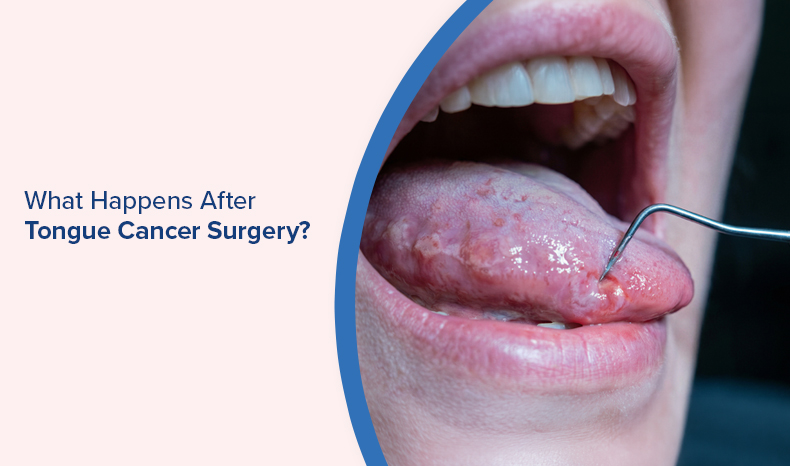
Throat cancer is classified under the broader group of head and neck cancers. Unlike mouth cancer, which affects the oral cavity, throat cancer involves deeper structures that are not always easily visible during routine examinations. As a result, early disease may be overlooked unless symptoms persist or specialised evaluation is performed.

Types of Throat Cancer

Throat cancer is not a single disease but a group of cancers that arise in different parts of the throat and voice box. Each type affects specific structures, presents with distinct symptoms, and may require tailored treatment approaches. The main types of throat cancer include:

Oropharyngeal Cancer

Oropharyngeal cancer develops in the middle part of the throat, which includes the tonsils, base of the tongue, and soft palate. In recent years, a growing number of cases have been linked to HPV infection, particularly in younger individuals. Symptoms may include persistent sore throat, difficulty swallowing, or changes in voice.

Laryngeal Cancer (Voice Box Cancer)

Laryngeal cancer affects the larynx, or voice box, which is essential for speech and breathing. Hoarseness or voice changes are often early warning signs. Because of its impact on voice and airway function, treatment planning for laryngeal cancer places strong emphasis on organ and voice preservation wherever possible.

Hypopharyngeal Cancer

Hypopharyngeal cancer arises in the lower part of the throat, behind and beside the voice box. It is often diagnosed at a more advanced stage because early symptoms are subtle. Common risk factors include tobacco and alcohol use.

Nasopharyngeal Cancer

Nasopharyngeal cancer develops in the upper part of the throat, behind the nose. This type is less common in India and is associated with Epstein-Barr virus (EBV) infection and certain genetic and environmental factors.

What Causes Throat Cancer?

Throat cancer develops when normal cells lining the throat or voice box undergo genetic changes that lead to uncontrolled growth. These changes are most often triggered by prolonged exposure to certain substances or infections that damage the cells over time. The most common causes include:

  • Tobacco use: Smoking cigarettes, bidis, or pipes, as well as using smokeless tobacco products such as gutkha, paan with tobacco, and khaini, is a leading cause of throat cancer. These products expose throat tissues to carcinogenic chemicals that accumulate damage over years.
  • Excessive alcohol consumption: Alcohol irritates the lining of the throat and increases cancer risk, especially when combined with tobacco use. Together, tobacco and alcohol have a synergistic effect that significantly raises the likelihood of cancer development.
  • Human papillomavirus (HPV) infection: Certain high-risk HPV strains are strongly linked to oropharyngeal cancers. HPV-related throat cancers often behave differently from tobacco-related cancers and may occur in individuals without traditional risk factors.
  • Prolonged exposure to chemicals or pollutants: Long-term exposure to industrial chemicals, dust, or air pollutants can contribute to cellular damage in the throat.
  • Poor nutrition and chronic irritation: Diets low in essential nutrients and ongoing irritation of throat tissues may weaken cellular repair mechanisms and increase susceptibility to cancer.

Reducing exposure to these causative factors plays an important role in throat cancer prevention and early intervention.

Who is at Higher Risk of Developing Throat Cancer?

Certain individuals are more likely to develop throat cancer due to prolonged exposure to risk factors, viral infections, or underlying health conditions. Identifying people at higher risk allows for closer monitoring and earlier evaluation, which can significantly improve outcomes. Those at increased risk include:

  • Individuals who use tobacco in any form: Long-term smokers and users of smokeless tobacco products such as gutkha, paan with tobacco, or khaini carry a substantially higher risk.
  • People who consume alcohol regularly: Heavy or prolonged alcohol intake increases risk, particularly when combined with tobacco use.
  • Individuals with HPV infection: High-risk HPV strains are associated with oropharyngeal cancers, including cancers of the tonsils and base of the tongue.
  • People exposed to Epstein–Barr virus (EBV):  EBV infection is linked to nasopharyngeal cancer, a less common type of throat cancer.
  • Adults above 40 years of age: Throat cancer is more commonly diagnosed in older adults, reflecting cumulative exposure to risk factors.
  • People who are overweight or obese: Obesity has been linked to increased cancer risk and may contribute indirectly through chronic inflammation and metabolic changes.
  • Individuals with a family history of cancer: Genetic susceptibility and shared environmental factors may increase risk in some families.

People in these groups benefit from regular health check-ups and early evaluation of persistent throat-related symptoms.

Early Signs and Symptoms of Throat Cancer

In its early stages, throat cancer may cause subtle symptoms that are commonly mistaken for throat infections, voice strain, or acid reflux. Because these signs are often mild and persistent rather than severe, they may be ignored or treated symptomatically. Early symptoms can include:

  • Persistent sore throat: A sore throat that does not improve with routine treatment or keeps returning over several weeks.
  • Voice changes or hoarseness: Mild but ongoing hoarseness, voice fatigue, or changes in voice quality, especially in laryngeal cancer.
  • Difficulty or discomfort while swallowing: A sensation of food sticking in the throat or mild pain during swallowing.
  • Feeling of a lump or something stuck in the throat: A persistent foreign-body sensation without an obvious cause.
  • Unexplained ear pain: Ear pain without signs of ear infection, particularly when associated with throat discomfort.

Because these symptoms often overlap with benign conditions, medical evaluation is important when they persist for more than two to three weeks, especially in individuals with known risk factors.

Advanced Symptoms of Throat Cancer

As throat cancer progresses, symptoms become more pronounced and begin to affect essential functions such as speech, swallowing, and breathing. Advanced disease may also involve nearby lymph nodes or surrounding structures. Symptoms at this stage may include:

  • Severe or worsening difficulty swallowing: Pain while swallowing or an inability to swallow solid foods, often leading to reduced food intake.
  • Persistent hoarseness or loss of voice: Marked voice changes or voice loss, particularly in cancers involving the larynx (voice box).
  • Breathing difficulty or noisy breathing: Tumour growth may narrow the airway, causing shortness of breath or stridor.
  • A lump in the neck: Swelling in the neck may indicate the spread of cancer to lymph nodes.
  • Coughing up blood or blood-stained saliva: Bleeding from the throat without an obvious cause requires urgent evaluation.
  • Unexplained weight loss and fatigue: Difficulty eating combined with the systemic effects of cancer may lead to weight loss and weakness.

These symptoms require prompt specialist assessment, as advanced throat cancer often needs coordinated and intensive treatment to control the disease and maintain quality of life.

How is Throat Cancer Diagnosed?

Diagnosing throat cancer involves a stepwise evaluation to confirm the presence of cancer, identify its exact location, and assess the extent of disease. Accurate diagnosis is essential for planning effective treatment and preserving vital functions such as speech and swallowing. The diagnostic process typically includes:

  • Detailed clinical examination: A head and neck specialist examines the throat, voice box, and neck to assess visible abnormalities, voice changes, and enlarged lymph nodes.
  • Endoscopy: An endoscopic examination allows doctors to directly visualise deeper areas of the throat and voice box that are not visible during routine examination. This helps identify suspicious lesions and assess tumour extent.
  • Biopsy: A biopsy is the definitive test for diagnosing throat cancer. A small tissue sample is taken from the abnormal area and examined under a microscope to confirm malignancy and determine the cancer type.
  • Imaging tests: Imaging studies such as CT scans, MRI scans, or PET-CT are used to evaluate tumour size, involvement of surrounding tissues, spread to lymph nodes, and distant metastasis.
  • Lymph node assessment: Examination and imaging of neck lymph nodes help determine whether the cancer has spread beyond the primary site.

Blood tests may be performed as part of overall health assessment but are not used alone to diagnose throat cancer. Once diagnosis is confirmed, staging helps guide treatment decisions.

Stages of Throat Cancer

Staging describes how far throat cancer has progressed and helps doctors decide the most appropriate treatment approach. The stage is determined by tumour size, involvement of nearby structures, spread to lymph nodes, and, in advanced cases, spread to other parts of the body.

  • Early-stage throat cancer (Stage I–II): The cancer is limited to the throat or voice box and has not spread to nearby lymph nodes. At this stage, treatment outcomes are generally very good, and organ-preserving approaches may be possible.
  • Locally advanced throat cancer (Stage III): The tumour may be larger or have spread to nearby tissues or lymph nodes in the neck. Treatment usually involves a combination of surgery, radiation therapy, and chemotherapy, depending on the cancer’s location and extent.
  • Advanced throat cancer (Stage IV): The cancer has spread extensively within the throat, neck structures, or to distant organs. Treatment focuses on disease control, symptom relief, and maintaining quality of life through coordinated multimodal care.

Understanding the stage of throat cancer allows specialists to personalise treatment plans and set realistic expectations regarding recovery and long-term outcomes.

Treatment Options for Throat Cancer

Treatment for throat cancer depends on the cancer type, stage, exact location, and the individual’s overall health. Because the throat and voice box are essential for breathing, speech, and swallowing, treatment planning focuses not only on cancer control but also on preserving function wherever possible. Care is typically delivered through a multidisciplinary approach. The main treatment options include:

  • Surgery:Surgery may be used to remove the tumour and, when required, affected lymph nodes in the neck. In early-stage disease, minimally invasive or organ-preserving procedures may be possible. In more advanced cases, surgery is carefully planned to balance effective tumour removal with preservation of voice and swallowing function.
  • Radiation Therapy:Radiation therapy uses high-energy beams to destroy cancer cells and may be used as a primary treatment or after surgery to reduce the risk of recurrence. In certain throat cancers, radiation plays a key role in organ-preservation strategies, especially for voice box cancers.
  • Chemotherapy:Chemotherapy is commonly used in combination with radiation therapy for locally advanced throat cancer. It may also be given before treatment to reduce tumour size or after surgery in selected cases to improve disease control.
  • Targeted Therapy: Targeted therapies are used in specific situations, particularly in advanced or recurrent disease. These treatments act on cancer-specific pathways and are selected based on tumour characteristics and overall treatment goals.

Treatment plans are individualised to ensure optimal cancer control while maintaining speech, swallowing, and overall quality of life.

Advanced Treatment Approaches for Throat Cancer

Advances in throat cancer care have shifted the focus from tumour removal alone to achieving effective disease control while preserving vital functions such as speech, swallowing, and breathing. At specialised cancer centres such as RGCIRC (Rajiv Gandhi Cancer Institute & Research Centre), advanced treatment approaches are guided by precision planning, multidisciplinary expertise, and long-term functional outcomes. Key elements of advanced throat cancer care include:

  • Multidisciplinary Tumour Board-Led Care: Each case is reviewed by a team of head and neck surgical oncologists, medical oncologists, radiation oncologists, radiologists, pathologists, and rehabilitation specialists. This collaborative approach ensures personalised, evidence-based treatment planning.
  • Organ- and Voice-Preservation Strategies: For selected throat and voice box cancers, treatment plans prioritise preserving the larynx and surrounding structures without compromising cancer control. This may involve carefully planned surgery, radiation, or combined chemoradiation approaches.
  • Precision Radiation Techniques: Modern radiation therapy allows accurate targeting of tumours while minimising damage to nearby healthy tissues. This reduces treatment-related side effects and supports faster functional recovery.
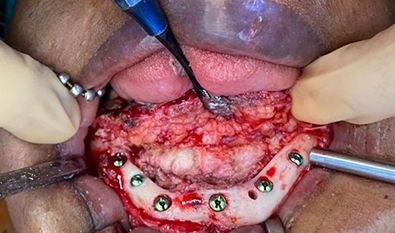
  • Advanced Surgical Techniques and Reconstruction: When surgery is required, advanced techniques aim to remove cancer effectively while maintaining airway stability, swallowing function, and speech. Reconstruction is planned alongside tumour removal to optimise outcomes.
  • Personalised Systemic Therapy: In advanced or recurrent cases, systemic treatments such as chemotherapy or targeted therapy are selected based on tumour behaviour, stage, and individual response, often as part of combined-modality care.
  • Integrated Rehabilitation and Survivorship Care: Advanced care extends beyond treatment to include structured speech therapy, swallowing rehabilitation, nutritional support, and psychological care, ensuring comprehensive recovery.

These advanced approaches reflect a comprehensive, patient-centred model of throat cancer care that prioritises both survival and long-term quality of life.

Recovery and Life After Throat Cancer Treatment

Recovery after throat cancer treatment varies depending on the cancer type, stage, and treatment approach used. Beyond physical healing, recovery also involves restoring speech, swallowing, nutrition, and emotional wellbeing. With structured follow-up care and rehabilitation support, many individuals are able to regain independence and return to daily activities.

Key aspects of recovery and survivorship care include:

  • Speech and voice rehabilitation: Specialised speech and language therapy helps individuals improve voice quality, speech clarity, and communication, particularly after treatment involving the voice box or throat.
  • Swallowing and nutritional support: Swallowing therapy and dietary guidance support safe eating, prevent aspiration, and help maintain adequate nutrition during recovery.
  • Management of treatment-related side effects: Medical teams address issues such as throat dryness, stiffness, pain, or fatigue that may occur after radiation or surgery.
  • Emotional and psychological support: Counselling and supportive care services help individuals cope with anxiety, changes in voice or appearance, and the emotional impact of cancer treatment.
  • Regular follow-up and surveillance: Scheduled follow-up visits allow doctors to monitor recovery, assess treatment response, and detect any signs of recurrence at an early stage.

Comprehensive recovery care plays an essential role in improving quality of life and supporting long-term health after throat cancer treatment.

Can Throat Cancer Be Prevented?

While not all cases of throat cancer can be prevented, reducing exposure to known risk factors and adopting healthy lifestyle practices can significantly lower the risk. Preventive measures are especially important for individuals with long-term tobacco or alcohol use and those at higher risk due to viral infections.

Steps that can help reduce the risk of throat cancer include:

  • Quitting tobacco in all forms: Avoiding smoking and smokeless tobacco products such as gutkha, paan with tobacco, and khaini is one of the most effective preventive measures.
  • Limiting alcohol intake: Reducing alcohol consumption helps lower chronic irritation of throat tissues and decreases cancer risk, particularly when combined with tobacco cessation.
  • Getting vaccinated against HPV: HPV vaccination can reduce the risk of HPV-related throat cancers, especially cancers of the oropharynx.
  • Maintaining good oral and throat hygiene: Regular oral care and prompt treatment of dental or throat infections help prevent chronic irritation.
  • Regular health and dental check-ups: Routine examinations support early identification of suspicious throat or oral changes, especially in high-risk individuals.

Adopting these preventive measures supports long-term throat health and lowers the likelihood of developing throat cancer.

When Should You See a Doctor?

Early medical evaluation is essential for detecting throat cancer at a stage where treatment is more effective and functional outcomes are better. Any throat-related symptom that persists or worsens should not be ignored, especially in individuals with known risk factors such as tobacco or alcohol use.

You should consult a doctor if you experience:

  • A sore throat that lasts longer than two to three weeks: Persistent throat pain that does not respond to routine treatment requires evaluation.
  • Ongoing voice changes or hoarseness: Voice changes that do not improve over time, particularly in smokers or older adults, should be assessed.
  • Difficulty swallowing or a feeling of something stuck in the throat: Progressive swallowing difficulty may indicate narrowing or obstruction in the throat.
  • A lump in the neck or throat area: Swelling in the neck may suggest involvement of lymph nodes.
  • Breathing difficulty or noisy breathing: Any new or worsening breathing problems need urgent medical attention.
  • Unexplained weight loss or persistent fatigue: These may indicate advanced disease and should prompt evaluation.

Timely consultation with a specialist allows for early diagnosis and improves treatment outcomes.

Why Choose RGCIRC for Throat Cancer Care?

Throat cancer management requires precise diagnosis, careful treatment planning, and coordinated care that addresses both cancer control and preservation of vital functions such as speech, swallowing, and breathing. At RGCIRC, throat cancer care is guided by specialised expertise, advanced technology, and a multidisciplinary approach that supports patients from diagnosis through recovery.

Key strengths that define throat cancer care at RGCIRC include:

  • Specialised Head and Neck Oncology Expertise: Throat cancer is managed by dedicated head and neck cancer specialists with experience across all subtypes, including laryngeal, oropharyngeal, hypopharyngeal, and nasopharyngeal cancers.
  • Advanced Diagnostic and Staging Capabilities: High-end imaging, endoscopic evaluation, and pathology services enable accurate diagnosis and detailed staging, which are essential for effective treatment planning.
  • Multidisciplinary Tumour Board–Led Care: Each case is reviewed by a multidisciplinary team comprising surgical oncologists, medical oncologists, radiation oncologists, radiologists, pathologists, and rehabilitation specialists to ensure evidence-based, individualised treatment decisions.
  • Focus on Organ and Voice Preservation: Treatment strategies prioritise preserving the voice box and swallowing function wherever clinically feasible, while maintaining strong cancer control.
  • Comprehensive Rehabilitation and Support Services: Integrated speech therapy, swallowing rehabilitation, nutritional support, and psycho-oncology services play a central role in recovery and long-term quality of life.
  • Commitment to Research and Ethical Cancer Care: As a dedicated cancer institute and research centre, RGCIRC follows evidence-based protocols and contributes to ongoing clinical research, ensuring care aligned with evolving global standards.

This integrated, patient-centred approach enables RGCIRC to deliver throat cancer care that balances clinical precision with long-term functional and quality-of-life outcomes.

Moving Forward with Timely Throat Cancer Care

Throat cancer can affect essential functions such as speech, swallowing, and breathing, making early diagnosis and specialised care crucial. Awareness of persistent symptoms, timely evaluation, and access to comprehensive treatment significantly improve outcomes and quality of life. Individuals seeking expert assessment and personalised throat cancer care can consult specialists at RGCIRC. To schedule an appointment, simply call +91-11-47022222, +91 11 27051037.

Frequently Asked Questions (FAQs)

Can throat cancer be mistaken for a throat infection?

Yes. Early throat cancer symptoms such as sore throat or voice changes may resemble infections, which is why persistent symptoms require medical evaluation.

How long can throat cancer go unnoticed?

Throat cancer may remain undetected for months if symptoms are mild or ignored, especially in early stages.

Does throat cancer always cause pain?

No. Pain may not be present initially. Some individuals experience voice changes, swallowing difficulty, or a lump before pain develops.

Is throat cancer more common in smokers?

Yes. Smoking and smokeless tobacco use are major risk factors, significantly increasing the likelihood of throat cancer.

Can non-smokers get throat cancer?

Yes. HPV-related throat cancers can occur in non-smokers and individuals without traditional risk factors.

Is HPV-related throat cancer curable?

HPV-related throat cancers often respond well to treatment, especially when detected early, with favourable long-term outcomes.

Can acid reflux cause throat cancer?

Chronic acid reflux may irritate throat tissues, but it is not a direct cause. Persistent symptoms still require evaluation.

What age group is most affected by throat cancer?

Throat cancer is more common in adults over 40, though HPV-related cancers may occur at a younger age.

Can throat cancer affect speech permanently?

With modern treatment and rehabilitation, many individuals retain or regain speech, though outcomes depend on cancer location and treatment type.

Can throat cancer come back after treatment?

Recurrence is possible, which is why regular follow-up and long-term monitoring are essential after treatment.

Related Articles

featured

Throat Cancer

featured

Mouth CancerThroat Cancer