RGCIRC Team

Mouth Cancer

9 January, 2026

Mouth (oral) cancer is one of the most common cancers in India, with a significant proportion of cases linked to tobacco use and alcohol consumption. The disease affects structures within the oral cavity such as the tongue, inner cheeks, gums, floor of the mouth, and palate, and often begins with subtle changes that are easy to overlook. When identified early, mouth cancer is highly treatable; however, many individuals seek medical attention only after symptoms begin to interfere with speaking, eating, or swallowing.

A clear understanding of the early warning signs, risk factors, and diagnostic process is essential for timely intervention. This guide explains the causes, symptoms, stages, and modern treatment approaches for mouth cancer, while also highlighting the importance of specialist evaluation and multidisciplinary care in achieving better outcomes.

What is Mouth (Oral) Cancer?

Mouth cancer, also known as oral cancer, is a type of cancer that develops in the tissues of the oral cavity. It occurs when abnormal cells in the mouth begin to grow and form a malignant tumour, gradually replacing healthy tissue and interfering with normal oral functions.

The oral cavity includes several structures, and mouth cancer may arise in any of the following areas:

  • Lips
  • Tongue
  • Inner lining of the cheeks (buccal mucosa)
  • Gums
  • Floor of the mouth
  • Hard palate (roof of the mouth)

Mouth cancer is considered part of the broader group of head and neck cancers, and the majority of cases are classified as squamous cell carcinoma, as they originate from the thin, flat cells lining the mouth. Because early disease may not cause significant discomfort, mouth cancer is often detected only when visible lesions persist or functional difficulties develop.

Types of Mouth Cancer

Mouth cancer includes several distinct types, depending on the kind of cells from which the disease develops. Identifying the specific type of mouth cancer is essential, as it influences treatment planning, prognosis, and long-term outcomes. The various types include:

Squamous Cell Carcinoma

Squamous cell carcinoma is the most common type of mouth cancer, accounting for the majority of cases. It develops from the squamous cells that line the oral cavity and is frequently associated with tobacco use, alcohol consumption, and chronic irritation. These cancers may appear as ulcers, thickened areas, or red or white patches inside the mouth.

Verrucous Carcinoma

Verrucous carcinoma is a less aggressive variant of squamous cell carcinoma. It tends to grow slowly and rarely spreads to distant sites.

Minor Salivary Gland Tumours

These cancers arise from the small salivary glands located throughout the mouth, including the palate and inner cheeks.

Other Rare Oral Malignancies

Rare types of mouth cancer include lymphomas, melanomas, and sarcomas that develop within oral tissues.

What Causes Mouth Cancer?

The most common causes include:

  • Tobacco use: Smoking cigarettes, bidis, or pipes, as well as using smokeless tobacco products such as gutkha, khaini, and paan with tobacco, is the leading cause of mouth cancer. These products expose oral tissues to carcinogenic chemicals that damage cells over time.
  • Excessive alcohol consumption: Alcohol increases the risk of mouth cancer by irritating the lining of the mouth and enhancing the harmful effects of tobacco when both are used together.
  • Human papillomavirus (HPV) infection: Certain high-risk strains of HPV are linked to cancers of the oral cavity and oropharynx. HPV-related mouth cancers tend to occur in younger individuals and may present differently from tobacco-related cancers.
  • Poor oral hygiene and chronic irritation: Long-standing irritation from sharp teeth or ill-fitting dentures, may contribute to cellular changes in the mouth.
  • Prolonged sun exposure: Extended exposure to ultraviolet radiation increases the risk of cancer of the lips, particularly the lower lip.

While not everyone exposed to these factors will develop mouth cancer, reducing or eliminating these risks plays a key role in prevention.

Who is at Higher Risk of Developing Mouth Cancer?

Those at increased risk include:

  • People who use tobacco in any form
  • Individuals who consume alcohol regularly
  • Adults above 40 years of age
  • Individuals with precancerous oral conditions: Lesions such as leukoplakia, erythroplakia, or oral submucous fibrosis may increase the likelihood of developing mouth cancer.
  • People with poor nutrition or nutritional deficiencies: Diets low in essential vitamins and minerals can weaken oral tissues and reduce the body’s ability to repair cellular damage.
  • Individuals with a weakened immune system: May increase susceptibility to oral cancers.
  • Those with a family history of cancer: Genetic and shared lifestyle factors may contribute to higher risk in some families.

People in these groups benefit from regular oral examinations and prompt evaluation of any persistent changes in the mouth.

Early Signs and Symptoms of Mouth Cancer

In its early stages, mouth cancer often causes mild or subtle changes that may be mistaken for common dental or oral problems. Recognising these early warning signs is crucial, as treatment is most effective when the disease is detected early. Common early symptoms include:

  • A mouth ulcer that does not heal: An ulcer or sore inside the mouth that persists for more than two weeks should be evaluated, especially if it bleeds or causes discomfort.
  • White or red patches inside the mouth: Flat or slightly raised patches (leukoplakia or erythroplakia) on the tongue, gums, or inner cheeks may signal early cellular changes.
  • Persistent mouth pain or earache: Ongoing discomfort, pain in mouth or ear without an obvious cause.
  • Early changes in the cheek, tongue, or gums: Thickening, rough areas, or small lumps that feel unusual to touch.
  • Mild difficulty while chewing or moving the tongue: Subtle stiffness or discomfort during normal mouth movements.

Because these symptoms are often painless and easy to ignore, timely medical or dental evaluation is essential when they persist or worsen.

Advanced Symptoms of Mouth Cancer

As mouth cancer progresses, symptoms become more pronounced and may begin to interfere with everyday activities such as eating, speaking, and swallowing. Advanced disease may also involve nearby tissues or lymph nodes. Symptoms at this stage may include:

  • A noticeable lump or thickening in the mouth, cheek, jaw, or neck: Swelling in the neck may indicate involvement of lymph nodes.
  • Difficulty speaking, chewing, or swallowing: Tumour growth can restrict movement of the tongue or jaw and affect normal oral function.
  • Numbness of the tongue or other areas of the mouth: Loss of sensation may occur if the cancer affects nearby nerves.
  • Bleeding in the mouth without obvious injury: Recurrent or unexplained bleeding can signal tissue damage caused by the tumour.
  • Persistent ear pain or jaw stiffness: Pain may radiate to nearby structures as the disease advances.
  • Unexplained weight loss: Difficulty eating combined with systemic effects of cancer can lead to weight loss.

These symptoms require urgent medical evaluation, as advanced mouth cancer often needs more intensive and coordinated treatment.

How is Mouth Cancer Diagnosed?

The diagnostic process typically includes:

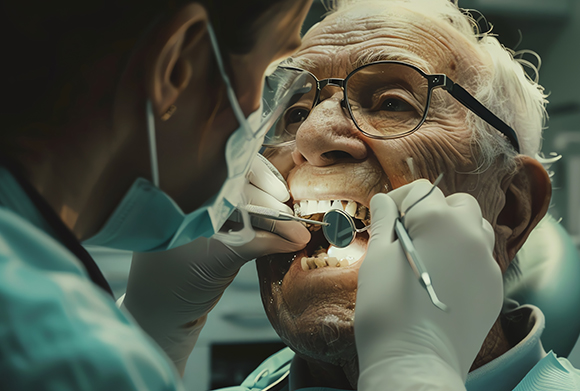
  • Comprehensive oral and head-and-neck examination
  • Biopsy of suspicious lesions
  • Imaging tests: Imaging studies such as CT scans, MRI scans, or PET-CT are used to assess the size of the tumour, involvement of nearby structures, and spread to lymph nodes or other areas.
  • Lymph node evaluation: Examination and imaging of neck lymph nodes help determine whether the cancer has spread beyond the oral cavity.

Stages of Mouth Cancer

Mouth cancer is generally grouped into stages based on tumour size, involvement of nearby tissues, and spread to lymph nodes or other parts of the body. The stages include:

  • Early-stage mouth cancer (Stage I–II): The cancer is confined to the mouth and has not spread to nearby lymph nodes. At this stage, treatment outcomes are often very good when managed promptly.
  • Locally advanced mouth cancer (Stage III): The tumour may be larger or have spread to nearby tissues or lymph nodes in the neck.
  • Advanced mouth cancer (Stage IV): The cancer has spread extensively within the mouth, jaw, neck structures, or to distant organs. Understanding the stage of mouth cancer allows specialists to tailor treatment plans and set realistic expectations regarding recovery and outcomes.

Treatment Options for Mouth Cancer

Treatment for mouth cancer is planned based on the stage of the disease, tumour location, lymph node involvement, and overall health. At RGCIRC (Rajiv Gandhi Cancer Institute & Research Centre), cancer care is delivered through a multidisciplinary approach to ensure effective cancer control while preserving speech, swallowing, and appearance. The main treatment options include:

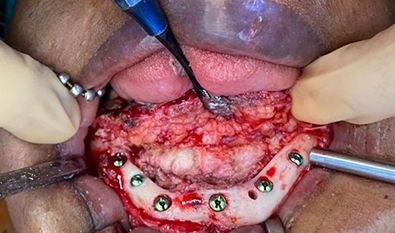
  • Surgery: Surgery is the primary treatment for most mouth cancers. It involves removing the tumour along with a margin of healthy tissue to reduce the risk of recurrence. In cases where cancer has spread to the neck, lymph node removal (neck dissection) may also be required.
  • Reconstructive Surgery: Reconstructive procedures are often performed after tumour removal to restore oral function and facial structure. Advanced techniques help support speech, chewing, swallowing, and appearance, especially when the tongue, jaw, or palate is involved.
  • Radiation Therapy: Radiation therapy may be used after surgery to eliminate remaining cancer cells or as a primary treatment in selected cases. It is also commonly combined with chemotherapy in locally advanced disease to improve disease control.
  • Chemotherapy: Chemotherapy is usually given alongside radiation therapy in advanced stages or when the disease has spread beyond the primary site. It may also be used before surgery in selected cases to reduce tumour size.
  • Targeted and Combined Therapies: In certain situations, specialised systemic treatments or combined treatment approaches are used for advanced, recurrent, or high-risk disease. These therapies are selected carefully based on tumour characteristics and overall treatment goals.

Treatment plans are individualised, ensuring that cancer control, functional recovery, and long-term quality of life remain central to care decisions.

Advanced Treatment Approaches for Mouth Cancer

Advances in mouth cancer care have significantly improved disease control, functional outcomes, and quality of life. At specialised cancer centres such as RGCIRC, treatment is no longer limited to tumour removal alone but is guided by precision planning, multidisciplinary decision-making, and advanced reconstruction and rehabilitation strategies. Key advanced approaches include:

  • Multidisciplinary, Tumour Board-Led Planning: Each case is reviewed by a team of head and neck surgical oncologists, medical oncologists, radiation oncologists, radiologists, pathologists, and rehabilitation specialists. This collaborative approach ensures that treatment decisions are evidence-based, individualised, and aligned with long-term functional outcomes.
  • Precision Surgery with Functional Preservation: Advanced surgical techniques aim to achieve complete tumour removal while preserving speech, swallowing, and facial structure wherever possible.
  • Advanced Reconstructive Techniques: Microvascular free-flap reconstruction and other modern reconstructive methods are used to restore oral anatomy following extensive tumour removal. These techniques play a critical role in post-treatment speech, swallowing, and appearance.
  • Image-Guided and Conformal Radiation Therapy: Modern radiation techniques allow precise targeting of cancer cells while minimising exposure to surrounding healthy tissues, reducing treatment-related side effects.
  • Personalised Systemic Therapy: In selected advanced or high-risk cases, systemic treatments are chosen based on tumour characteristics and treatment response, often as part of combined-modality care.
  • Integrated Rehabilitation and Survivorship Care: Advanced treatment extends beyond cancer control to include structured speech therapy, nutritional rehabilitation, dental care, and psychological support, ensuring holistic recovery.

These advanced approaches reflect a shift towards comprehensive, patient-centred mouth cancer care that prioritises both survival and long-term quality of life.

Recovery and Life After Mouth Cancer Treatment

Recovery after mouth cancer treatment involves physical healing, functional rehabilitation, and emotional adjustment. The extent of recovery depends on the stage of cancer, the type of treatment received, and individual health factors. With appropriate medical follow-up and supportive care, many individuals are able to return to daily activities and maintain a good quality of life. Post-treatment care focuses on several important areas, such as:

  • Speech and swallowing rehabilitation
  • Nutritional support
  • Dental and oral care
  • Pain and symptom management
  • Emotional and psychological support
  • Regular follow-up and surveillance

Comprehensive recovery care plays a crucial role in restoring confidence, function, and overall wellbeing after mouth cancer treatment.

Can Mouth Cancer Be Prevented?

While not all cases of mouth cancer can be prevented, reducing exposure to known risk factors can significantly lower the chances of developing the disease. Preventive measures are especially important for individuals at higher risk and play a key role in early detection. Key steps that can help reduce the risk of mouth cancer include:

  • Quitting tobacco use
  • Limiting alcohol consumption
  • Maintaining good oral hygiene
  • Regular dental and oral check-ups
  • Eating a balanced, nutritious diet
  • Protecting lips from excessive sun exposure Adopting these measures supports long-term oral health and reduces the likelihood of developing mouth cancer.

When Should You See a Doctor?

You should consult a doctor if you notice:

  • A mouth ulcer that lasts longer than two weeks
  • Persistent pain, swelling, or thickening in the mouth or jaw
  • Bleeding in the mouth without injury
  • Difficulty chewing, swallowing, or speaking
  • Any unexplained change in the mouth, tongue, or lips: Colour changes, lumps, or numbness should be examined, even if they are painless.

Seeking timely medical advice helps ensure early diagnosis and improves treatment outcomes.

Why Choose RGCIRC for Mouth Cancer Care?

Mouth cancer treatment requires more than tumour removal alone. It demands accurate diagnosis, meticulous surgical planning, functional reconstruction, and coordinated care across multiple specialties. At RGCIRC, mouth cancer management is guided by clinical expertise, advanced technology, and a strong focus on long-term outcomes and quality of life.

Key strengths that define mouth cancer care at RGCIRC include:

  • Dedicated Head and Neck Oncology Expertise
  • Advanced Diagnostic and Staging Capabilities
  • Comprehensive Surgical and Reconstructive Care
  • Multidisciplinary Tumour Board-Led Treatment Planning
  • Integrated Rehabilitation and Supportive Services
  • Commitment to Research and Ethical Cancer Care

This comprehensive, patient-centred approach enables RGCIRC to deliver mouth cancer care that prioritises both effective disease control and long-term wellbeing.

Take the Next Step Towards Timely Mouth Cancer Care

Mouth cancer outcomes improve significantly when the disease is identified early and treated by experienced specialists. Awareness of warning signs, prompt evaluation, and access to comprehensive cancer care play a crucial role in effective treatment and recovery. For individuals seeking expert assessment and personalised mouth (oral) cancer care, RGCIRC offers advanced diagnostics, multidisciplinary treatment planning, and long-term supportive care. To consult a cancer specialist, simply call +91-11-47022222, +91 11 27051037.

Frequently Asked Questions (FAQs)


Q: What are the earliest signs of mouth cancer?

Early signs of mouth cancer may include a mouth ulcer that does not heal, white or red patches inside the mouth, persistent burning sensation, or subtle changes in the cheek, tongue, or gums.

Q: Is a mouth ulcer always a sign of cancer?

No. Most mouth ulcers are harmless and heal within one to two weeks. However, an ulcer that persists longer, bleeds easily, or increases in size should be medically evaluated.

Q: What causes mouth cancer?

The most common causes include tobacco use (smoking or chewing), excessive alcohol consumption, HPV infection, poor oral hygiene, and prolonged sun exposure in the case of lip cancer.

Q: Who is at higher risk of developing mouth cancer?

People who use tobacco, consume alcohol regularly, are over 40 years of age, have precancerous oral conditions, nutritional deficiencies, or weakened immunity are at higher risk.

Q: How is mouth cancer diagnosed?

Mouth cancer is diagnosed through a detailed oral examination, biopsy of suspicious lesions, and imaging tests such as CT, MRI, or PET-CT to assess disease extent.

Q: Can mouth cancer be cured if detected early?

Yes. When detected at an early stage, mouth cancer is highly treatable, often with surgery alone or combined with radiation, resulting in good long-term outcomes.

Q: What are the treatment options for mouth cancer?

Treatment may include surgery, reconstructive surgery, radiation therapy, chemotherapy, or combined approaches, depending on the stage, location, and spread of the cancer.

Q: Can mouth cancer spread to other parts of the body?

Yes. Mouth cancer can spread to lymph nodes in the neck and, in advanced stages, to other organs if not treated in time.

Q: How long does mouth cancer treatment usually take?

The duration of treatment varies depending on the stage and treatment plan. Surgery may require a few weeks of recovery, while combined treatments such as radiation and chemotherapy may extend over several weeks/ few months

Q: Can mouth cancer be prevented?

Many cases can be prevented by avoiding tobacco and excessive alcohol use, maintaining good oral hygiene, undergoing regular dental check-ups, and seeking early evaluation of any persistent oral changes.

Opportunity to Help

DONATE FOR CANCER CARE

As a society, RGCIRC is looking forward to get support from generous people

Read More
DONATE BLOOD

It is a fact that there are absolutely no substitutes to replace human bloo...

Read More
DONATE TIME (VOLUNTEER)

Volunteers play an important role in today’s hospitals. They help the hos...

Read More

Rajiv Gandhi Cancer Institute & Research Centre is today counted amongst Asia’s premier exclusive cancer centres that offer unique advantage of cutting edge technology, put to use by renowned super specialists. This potent combination of man and machine ensures world-class cancer care to not only patients from India, but also from the neighboring SAARC countries and others.

D - 18, Sector - 5, Rohini, Delhi - 110085 | +91-11-47022222
OPD Timings: 09:00 am to 05:00 pm (All weekdays except Sunday and Holiday)
Emergency Services: 24x7

Mahendra Kumar Jain Marg, Niti Bagh, New Delhi - 110049 | Tel: +91-11-45822222 / 2200
OPD Timings: 09:00 am to 05:00 pm (All Weekdays except Sunday and Holiday)
Emergency Services: 24x7

Subscribe Today For Our Healthy Tips Newsletter
Loading