RGCIRC Team

Mouth Cancer

30 January, 2026

Oral cancer is a serious health condition that can affect any part of the mouth, including the lips, tongue, cheeks, floor of the mouth, gums, and throat palate. In India, its burden is particularly high due to the widespread use of tobacco, areca nut, and alcohol, along with other lifestyle and environmental factors. Despite being a potentially life-threatening disease, oral cancer is one of the few cancers where early signs are often visible and detectable, making timely awareness and medical attention crucial. Understanding how oral cancer begins, what symptoms may appear in the early stages, and who is more vulnerable to developing it can play a vital role in promoting early diagnosis, improving treatment outcomes, and ultimately saving lives.

What is Oral Cancer?

Oral cancer is a type of cancer that develops in the tissues of the mouth and surrounding areas. It most commonly affects the lips, tongue, gums, inner lining of the cheeks, floor of the mouth, and the hard palate.

Most oral cancers begin in the squamous cells that line the mouth, which is why they are often referred to as oral squamous cell carcinomas. These cancers usually develop gradually, starting with subtle changes in the oral lining before progressing to more obvious lesions.

Early Symptoms of Oral Cancer

Oral cancer often begins with subtle changes in the mouth that may not cause pain initially. Being aware of these early symptoms is important, as timely evaluation can lead to early diagnosis and more effective treatment.

Common early symptoms of oral cancer include:

  • Mouth ulcers or sores that do not heal: Ulcers that persist for more than two weeks, especially without an obvious cause, should be examined.
  • Persistent lumps or thickening in the mouth: Any unexplained swelling or hard area in the mouth, tongue, or gums needs medical attention.
  • White or red patches inside the mouth: Changes in the colour of the oral lining, particularly patches that do not rub off, may indicate early abnormal changes.
  • Pain, numbness, or a burning sensation: Ongoing discomfort or altered sensation in the mouth or lips should not be ignored.
  • Difficulty chewing, swallowing, or speaking: Functional changes may occur as lesions affect normal movement and coordination.
  • Loose teeth without a clear dental cause: Teeth becoming loose in the absence of gum disease or injury may signal underlying tissue involvement.

Not all mouth changes indicate cancer, but symptoms that persist or worsen should always be evaluated by a specialist to rule out serious conditions.

Precancerous Oral Lesions: An Important Warning Stage

Before oral cancer develops, some individuals may experience changes in the lining of the mouth known as precancerous oral lesions. These changes are not cancer themselves, but they indicate abnormal cell activity that carries a higher risk of progressing to cancer if left untreated.

Common precancerous oral lesions include:

  • Leukoplakia: Appears as white patches inside the mouth that cannot be scraped off. While many cases are benign, some may show early cellular changes that require monitoring or treatment.
  • Erythroplakia: Presents as red, velvety patches and carries a higher risk of cancerous transformation compared to white patches.

These lesions are often painless and may go unnoticed without regular oral examinations. Monitoring their size, appearance, and persistence is, therefore, essential. When lesions do not resolve or show concerning features, a biopsy is recommended to determine whether cancerous or precancerous changes are present.

Identifying and managing precancerous lesions at this stage offers a valuable opportunity to intervene early and prevent progression to oral cancer.

What Causes Oral Cancer?

Oral cancer develops when normal cells in the mouth undergo genetic changes that cause them to grow uncontrollably. These changes are often triggered by long-term exposure to certain harmful factors that damage the cells lining the mouth.

The most common causes of oral cancer include:

  • Tobacco use in any form: Smoking cigarettes, bidis, cigars, as well as chewing tobacco, gutkha, or paan with tobacco significantly increases the risk of oral cancer. Prolonged exposure to these substances directly damages the oral lining.
  • Alcohol consumption: Excessive alcohol intake irritates the cells of the mouth. When combined with tobacco use, the risk of oral cancer rises sharply due to a synergistic effect.
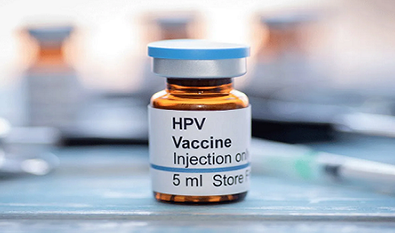
  • Human papillomavirus (HPV) infection: Certain strains of HPV, particularly HPV-16, are linked to cancers of the mouth and oropharynx. HPV-related oral cancers often affect younger individuals and non-smokers.
  • Prolonged sun exposure: Long-term exposure to sunlight increases the risk of cancer of the lips, especially the lower lip.
  • Chronic irritation and poor oral hygiene: Ill-fitting dentures, sharp teeth, or persistent oral infections can contribute to chronic irritation, which may increase cancer risk over time.

Understanding these causes highlights the importance of lifestyle choices, infection control, and oral health in reducing the likelihood of developing oral cancer.

Who is at Risk of Developing Oral Cancer?

While oral cancer can occur in anyone, certain factors increase the likelihood of developing the disease. Understanding who is at higher risk helps identify individuals who may benefit from closer monitoring and earlier evaluation if symptoms appear.

People at higher risk of oral cancer include:

  • Individuals with long-term tobacco or alcohol use: Prolonged exposure to tobacco and alcohol remains the strongest risk factor, especially when both are used together.
  • Those with a weakened immune system: Conditions that suppress immunity or long-term use of immunosuppressive medicines can reduce the body’s ability to control abnormal cell growth.
  • People with nutritional deficiencies: Diets lacking in essential vitamins and minerals may impair oral tissue health and increase vulnerability.
  • Adults over the age of 40 years: Oral cancer is more commonly diagnosed in middle-aged and older adults, although HPV-related cases may occur earlier.
  • Individuals with a family history of cancer: Genetic susceptibility can play a role in increasing overall cancer risk.
  • People exposed to HPV infection: Certain HPV strains are linked to oral and oropharyngeal cancers, even in those without traditional risk factors.

Being aware of these risks supports timely screening, lifestyle modification, and early specialist consultation when symptoms arise.

When Should You Seek Medical Evaluation for Oral Cancer Symptoms?

Early detection of oral cancer depends on recognising symptoms and seeking medical evaluation at the right time. While many mouth sores and irritations are harmless, certain changes should not be ignored, especially when they persist or worsen.

Medical evaluation is recommended if you notice:

  •       A mouth ulcer or sore that does not heal within two weeks
  •       White or red patches inside the mouth that persist
  •       A lump, thickening, or growth in the mouth or jaw
  •       Persistent pain, numbness, or burning sensation
  •       Difficulty chewing, swallowing, or speaking
  •       Unexplained loosening of teeth or jaw discomfort
  •       Nodes in the neck
  •       Unexplained earache

Early consultation allows suspicious changes to be assessed accurately and, when needed, referred for specialist evaluation. Timely assessment ensures that conditions requiring treatment are identified early, when outcomes are most favourable.

How is Oral Cancer Diagnosed?

Once early symptoms are recognised and a specialist evaluation is advised, diagnosing oral cancer involves a structured and stepwise approach. The goal is to confirm the nature of the lesion, assess its extent, and plan appropriate treatment without delay.

Key steps in diagnosing oral cancer include:

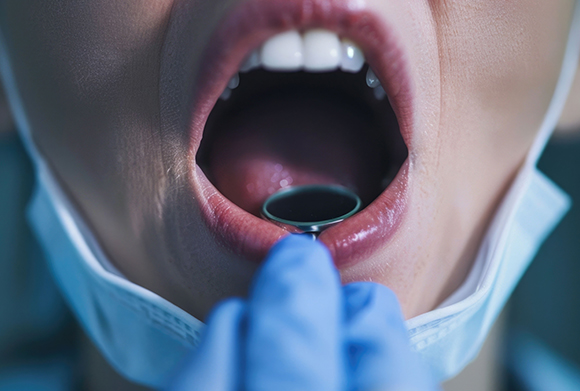
  • Clinical examination: A detailed examination of the mouth, tongue, gums, and surrounding areas helps identify suspicious lesions, ulcers, or tissue changes that require further investigation.
  • Biopsy (confirmatory test): A biopsy involves removing a small sample of tissue from the affected area for microscopic examination. This is the definitive method for diagnosing oral cancer and distinguishing it from benign or precancerous conditions.
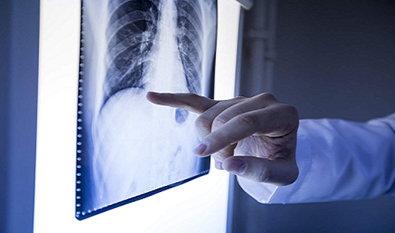
  • Imaging tests for staging: Once cancer is confirmed, imaging tests such as CT scan, MRI, or PET scan may be used to determine the size of the tumour and whether it has spread to nearby lymph nodes or other areas.

Accurate diagnosis is essential for determining the stage of disease and selecting the most effective treatment approach. Specialist-led evaluation ensures that each step, ranging from confirmation to staging, is handled with precision and clarity.

Stages of Oral Cancer

Staging helps doctors understand how far oral cancer has progressed and plays a crucial role in planning treatment. The stage is determined based on the size of the tumour, involvement of nearby tissues or lymph nodes, and whether the cancer has spread to other parts of the body.

Oral cancer is broadly described in the following stages:

  • Early-stage oral cancer: Cancer is limited to the oral cavity and has not spread to nearby lymph nodes. At this stage, treatment is often more straightforward and outcomes are generally favourable, especially when detected early.
  • Locally advanced oral cancer: The tumour may be larger or have spread to nearby tissues or lymph nodes in the neck. Treatment usually involves a combination of surgery, radiation therapy, and sometimes chemotherapy to achieve effective disease control.
  • Advanced-stage metastatic oral cancer: Cancer has spread beyond the mouth to distant lymph nodes or other parts of the body. Management focuses on controlling disease progression, relieving symptoms, and maintaining quality of life, often using systemic therapies such as chemotherapy, targeted therapy, or immunotherapy.

Treatment Approaches for Oral Cancer

Treatment for oral cancer is tailored based on the stage of disease, location of the tumour, involvement of nearby structures, and overall health. Modern oral cancer care focuses not only on disease control but also on preserving speech, swallowing, and appearance, wherever possible. Advances in surgical techniques, radiation planning, and systemic therapies have significantly improved outcomes in recent years.

Key treatment approaches include:

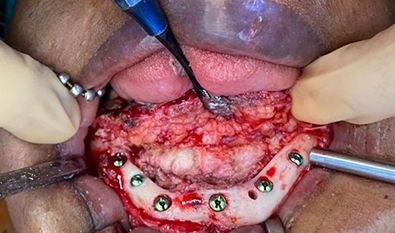
  • Surgery: Surgery remains the cornerstone of treatment for most oral cancers, particularly in early and locally advanced stages. The objective is complete removal of the tumour with adequate margins while preserving vital functions. Advances in surgical planning, reconstruction, and rehabilitation have improved functional and cosmetic outcomes, even in complex cases.
  • Radiation therapy: Radiation therapy is commonly used after surgery to reduce the risk of recurrence or as a primary treatment in selected cases. Modern radiation techniques allow for more precise targeting of cancer cells while minimising exposure to surrounding healthy tissues, helping reduce side effects related to speech and swallowing.
  • Chemotherapy: Chemotherapy is typically used for advanced-stage disease or when cancer has spread to lymph nodes or distant areas. It may be given alongside radiation therapy to enhance treatment effectiveness or used when surgery is not feasible. Supportive care has improved the tolerability of chemotherapy over time.
  • Targeted therapy: Targeted therapies work by acting on specific molecules involved in cancer growth. These treatments may be considered in selected patients, particularly in advanced or recurrent oral cancers, offering a more focused approach than traditional chemotherapy.
  • Immunotherapy: Immunotherapy represents an important advancement in the treatment of certain advanced oral cancers. By strengthening the body’s immune response against cancer cells, immunotherapy has shown promise in improving disease control in carefully selected cases.

Treatment planning is typically carried out through coordinated discussion among specialists to ensure that each individual receives care that is appropriate, evidence-based, and aligned with both disease control and quality-of-life goals.

Can Oral Cancer Be Prevented?

While not all cases of oral cancer can be prevented, many risk factors are modifiable. Adopting preventive measures and maintaining awareness of early symptoms can significantly reduce risk and support early detection.

Steps that may help lower the risk of oral cancer include:

  • Avoiding tobacco in all forms
  • Limiting alcohol consumption
  • Maintaining good oral hygiene: Regular brushing, flossing, and dental care help maintain healthy oral tissues and reduce chronic irritation.
  • Protecting lips from prolonged sun exposure
  • Managing HPV-related risk
  • Regular oral and dental examinations: Routine check-ups help identify suspicious changes early, allowing for prompt evaluation and referral when needed.

Preventive care, combined with early symptom recognition and timely medical evaluation, remains the most effective approach to reducing the impact of oral cancer.

Why Choose RGCIRC for Oral Cancer Care?

Oral cancer management requires accurate diagnosis, thoughtful treatment planning, and coordinated care across multiple specialties. RGCIRC (Rajiv Gandhi Cancer Institute & Research Centre) brings together advanced clinical expertise, technology-driven care, and a strong research foundation to deliver comprehensive oral cancer management at every stage of the disease.

Key strengths that define oral cancer care at RGCIRC include:

  • Dedicated Head & Neck Oncology Expertise: Oral cancer care at RGCIRC is led by specialists with extensive experience in managing cancers of the mouth and oropharynx. Their expertise supports accurate diagnosis, stage-specific treatment planning, and careful functional preservation.
  • Multidisciplinary Tumour Board-Led Care: Each case is reviewed by a team that includes surgical oncologists, medical oncologists, radiation oncologists, radiologists, pathologists, and rehabilitation experts. This collaborative approach ensures that treatment decisions are balanced, evidence-based, and individualised.
  • Advanced Surgical and Reconstructive Capabilities: Treatment planning at RGCIRC focuses on complete tumour removal while preserving speech, swallowing, and appearance wherever possible. Reconstructive planning and rehabilitation are integrated into care to support recovery and long-term quality of life.
  • Precision Radiation and Systemic Therapies: Modern radiation techniques and carefully selected systemic treatments, including chemotherapy, targeted therapy, and immunotherapy, are used to improve disease control while minimising treatment-related side effects.
  • Evidence-Based Approach: RGCIRC’s strong emphasis academic collaboration ensures that care protocols are aligned with evolving global standards and emerging advances in cancer treatment.
  • Comprehensive Supportive and Rehabilitation Services: Nutritional support, speech and swallowing therapy, pain management, and psychological support are incorporated throughout treatment and recovery to address both physical and emotional needs.

This integrated, patient-centred approach allows individuals to receive coordinated oral cancer care under one roof, guided by experience and precision.

Looking Ahead: Managing Oral Cancer with Timely Care

To consult a cancer specialist at Rajiv Gandhi Cancer Institute & Research Centre, simply call +91-11-47022222, +91 11 27051037.

Frequently Asked Questions (FAQs)


Q: What are the early symptoms of oral cancer?

Early symptoms may include a mouth ulcer that does not heal, white or red patches inside the mouth, persistent pain, or difficulty chewing or swallowing.

Q: Can oral cancer be detected during a routine dental check-up?

Dentists may notice suspicious oral changes and dental problems or changes in denture during routine examinations, but confirmation requires specialist evaluation and a biopsy.

Q: Is oral cancer curable if detected early?

Yes, oral cancer detected at an early stage is often highly treatable, with better outcomes and preservation of speech and swallowing.

Q: What causes oral cancer in non-smokers?

Oral cancer in non-smokers may be linked to HPV infection, immune system changes, or other environmental exposures and other important risk factors include poor oral hygiene and ill-fitting dentures. Other important risk factors include poor oral hygiene and ill-fitting dentures.

Q: How is oral cancer diagnosed?

Diagnosis involves clinical examination, biopsy of the suspicious lesion, and imaging tests such as CT, MRI, or PET scans for staging.

Q: Can oral cancer spread to other parts of the body?

If untreated, oral cancer can spread to nearby lymph nodes and, in advanced stages, to distant organs.

Q: How long does oral cancer treatment usually take?

Treatment duration varies depending on the stage and type of therapy, and may extend over several weeks or months.

Q: Who is at higher risk of developing oral cancer?

People with long-term tobacco or alcohol use, HPV infection, nutritional deficiencies, or a weakened immune system are at higher risk.

Q: Can oral cancer come back after treatment?

Recurrence is possible, which is why regular follow-up and monitoring are essential after treatment completion.

Opportunity to Help

DONATE FOR CANCER CARE

As a society, RGCIRC is looking forward to get support from generous people

Read More
DONATE BLOOD

It is a fact that there are absolutely no substitutes to replace human bloo...

Read More
DONATE TIME (VOLUNTEER)

Volunteers play an important role in today’s hospitals. They help the hos...

Read More

Rajiv Gandhi Cancer Institute & Research Centre is today counted amongst Asia’s premier exclusive cancer centres that offer unique advantage of cutting edge technology, put to use by renowned super specialists. This potent combination of man and machine ensures world-class cancer care to not only patients from India, but also from the neighboring SAARC countries and others.

D - 18, Sector - 5, Rohini, Delhi - 110085 | +91-11-47022222
OPD Timings: 09:00 am to 05:00 pm (All weekdays except Sunday and Holiday)
Emergency Services: 24x7

Mahendra Kumar Jain Marg, Niti Bagh, New Delhi - 110049 | Tel: +91-11-45822222 / 2200
OPD Timings: 09:00 am to 05:00 pm (All Weekdays except Sunday and Holiday)
Emergency Services: 24x7

Subscribe Today For Our Healthy Tips Newsletter
Loading