
alarm RGCIRC, Niti Bagh alarm Emergency - 24/7 Book an Appointment Find a Doctor

RGCIRC Team

Lung Cancer

5 February, 2020

People often associate lung cancer exclusively with long-term smoking, but this is a common misconception. A growing number of people who have never smoked, including younger adults, are now being diagnosed with lung cancer due to factors such as air pollution, second-hand smoke exposure, occupational hazards, and genetic susceptibility.

A major challenge with Lung Cancer is that it develops silently, with noticeable symptoms appearing only as the disease advances. This delay in recognition can affect timely diagnosis and treatment. Understanding the early and progressive symptoms of lung cancer, how the disease is staged, and the treatment options available today is essential for making informed decisions and seeking specialist care at the right time. To help, through this article, we’ll provide a clear overview of the warning signs of lung cancer to watch for, the different stages of lung cancer, and the evidence-based treatment approaches used in modern oncology.

What is Lung Cancer?

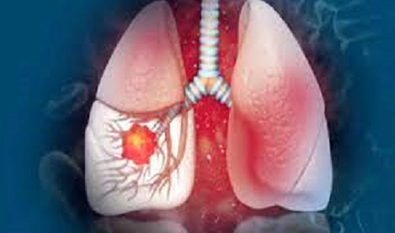
Lung cancer is a disease in which abnormal cells in the lungs grow and multiply uncontrollably, forming a tumour that can interfere with normal lung function. Over time, these cancerous cells can damage the airways and surrounding tissues, reduce the lungs’ ability to supply oxygen to the body, and, in advanced stages, spread to other organs.

Most lung cancers begin in the cells lining the airways and air sacs of the lungs. Based on how the cancer cells appear under a microscope and how the disease behaves, lung cancer is broadly classified into two main types:

  • Non-small cell lung cancer (NSCLC): The most common type, which tends to grow and spread more slowly.
  • Small cell lung cancer (SCLC): A less common but more aggressive form that usually spreads faster.

Identifying the type of lung cancer is an essential first step, as it directly influences further testing, staging, and treatment planning.

Why Lung Cancer is Often Diagnosed Late

Lung cancer is frequently diagnosed at a later stage because early disease does not always cause clear or noticeable symptoms. In many cases, the lungs can continue to function relatively well despite the presence of abnormal cell growth, allowing the disease to progress silently.

A significant number of lung cancer cases are detected incidentally, when a chest X-ray or CT scan is performed for other reasons such as chest discomfort, breathing problems, or routine health evaluations. When symptoms do appear, they are often mild or mistaken for common respiratory conditions, leading to delays in seeking medical attention.

This combination of subtle early changes and overlapping symptoms with less serious illnesses makes lung cancer particularly challenging to identify early. Greater awareness of persistent or unexplained symptoms, along with timely medical evaluation, plays a key role in improving the chances of early diagnosis and effective treatment.

Early Signs and Symptoms of Lung Cancer

The signs and symptoms of lung cancer can vary from person to person and may develop gradually over time. While many of these symptoms can be caused by non-cancerous conditions, symptoms that persist, worsen, or appear without a clear explanation should never be ignored.

Common early signs and symptoms of lung cancer may include:

  • A persistent cough that does not settle: A cough that continues for weeks and does not improve with usual treatment may be an early warning sign, particularly when it is not linked to a recent infection.
  • Changes in a chronic cough or hoarseness of voice: A noticeable change in the sound or pattern of an existing cough, or persistent hoarseness, may occur if a tumour affects nearby nerves or airways.
  • Shortness of breath or changes in breathing pattern: Feeling breathless during routine activities or becoming easily winded may result from partial blockage of airways or reduced lung function.
  • Chest pain: Dull, sharp, or intermittent pain in the chest, especially if it worsens with deep breathing or coughing, should be evaluated by a doctor.
  • Wheezing: A whistling or wheezing sound during breathing can occur when airways become narrowed or obstructed and should not be attributed solely to asthma or allergies without proper assessment.
  • Unexplained weight loss: Losing weight without changes in diet or physical activity may be a sign of an underlying condition, including cancer.
  • Bone pain: Pain in the back, shoulders, or other bones, particularly if it worsens at night or with movement, may indicate spread of disease to the bones.
  • Headache with other neurological symptoms: Persistent headaches accompanied by weakness, dizziness, or vomiting may require further evaluation.

When to See a Doctor

Not every cough, chest discomfort, or breathing change indicates lung cancer. However, certain warning signs should prompt timely medical evaluation, especially when symptoms do not improve or continue to worsen.

You should consider consulting a doctor if you experience:

  • Symptoms that persist for several weeks despite treatment
  • A cough that is worsening or producing blood
  • Increasing breathlessness during routine daily activities
  • Ongoing or unexplained chest pain
  • Unintended weight loss or loss of appetite
  • New headaches, weakness, or neurological symptoms without a clear cause

Early assessment helps determine whether symptoms are related to a lung condition or another health issue and allows appropriate investigations to be carried out without delay. Seeking medical advice at the right time can make a meaningful difference in diagnosis and treatment planning.

Causes and Risk Factors for Lung Cancer

Lung cancer develops due to a combination of environmental exposures, lifestyle factors, and individual susceptibility. While it is most commonly associated with smoking, the disease can also occur in people who have never smoked.

Key causes and risk factors include:

  • Tobacco Smoking: Smoking cigarettes, cigars, or pipes is the leading risk factor for lung cancer. The harmful chemicals in tobacco smoke damage the lining of the lungs over time, increasing the likelihood of abnormal cell growth.
  • Second-Hand Smoke Exposure: Regular exposure to tobacco smoke from others can also increase lung cancer risk, even in non-smokers.
  • Radon Gas Exposure: Radon is a naturally occurring radioactive gas that can accumulate indoors, particularly in poorly ventilated spaces, and is a recognised cause of lung cancer.
  • Occupational Exposure to Harmful Substances: Long-term exposure to substances such as asbestos and other industrial carcinogens can significantly raise the risk of developing lung cancer.
  • Family History and Genetic Factors: Individuals with a close family member diagnosed with lung cancer may have a higher risk, suggesting a genetic or shared environmental influence.
  • Environmental and Air Pollution: Prolonged exposure to air pollution, including fine particulate matter (PM2.5 and PM10), can lead to chronic lung inflammation and tissue damage, which over time may increase the risk of lung cancer, especially in densely populated urban environments.

Understanding these risk factors can help individuals recognise their level of risk and seek appropriate medical advice or screening when needed.

How is Lung Cancer Diagnosed?

Diagnosing lung cancer involves a step-by-step evaluation to confirm the presence of disease and understand its extent. Doctors usually begin with a detailed medical history and physical examination, followed by appropriate tests based on symptoms and risk factors.

Common diagnostic steps include:

  • Imaging Tests: A chest X-ray is often the first investigation. If abnormalities are detected or symptoms persist, a CT scan of the chest provides more detailed images of the lungs and surrounding structures.
  • Advanced Imaging: Tests such as PET-CT or MRI may be recommended to assess whether the cancer has spread to lymph nodes or other parts of the body.
  • Biopsy and Tissue Diagnosis: A definitive diagnosis requires examining a sample of lung tissue. This may be obtained through bronchoscopy, needle biopsy, or other image-guided procedures, depending on the tumour’s location.
  • Molecular and Genetic Testing: In many cases, tumour tissue is further tested for specific genetic or molecular changes. These results help guide personalised treatment decisions, particularly for targeted therapies and immunotherapy.

Accurate diagnosis is essential for determining the stage of lung cancer and planning the most appropriate course of treatment.

Treatment and Stage-Based Management of Lung Cancer

Treatment for lung cancer is planned after carefully considering the type of cancer, its stage, molecular characteristics, and the patient’s overall health. Management strategies vary across different stages of the disease, with treatment goals ranging from cure in early stages to disease control, symptom relief, and quality-of-life preservation in advanced stages. Decisions are best made through a multidisciplinary approach to ensure that care is tailored and well-coordinated.

Early-Stage Lung Cancer

When lung cancer is detected at an early stage and remains confined to the lungs, treatment is often planned with a curative intent. Surgery is usually the primary approach, aimed at removing the tumour completely while preserving as much lung function as possible. In some cases, additional treatment such as chemotherapy or radiation therapy may be recommended after surgery to reduce the risk of recurrence, depending on pathological findings and individual risk factors.

Locally Advanced Lung Cancer

Locally advanced lung cancer involves spread to nearby lymph nodes or surrounding structures within the chest. Management at this stage often requires a combination of treatments delivered in a planned sequence. Chemotherapy and radiation therapy are commonly used together, either before or instead of surgery, to control the disease more effectively. Care at this stage relies heavily on coordinated planning among specialists to balance disease control with treatment tolerance.

Advanced and Metastatic Lung Cancer

When lung cancer has spread to distant organs, the focus of treatment shifts towards controlling disease progression, relieving symptoms, and maintaining quality of life. Drug-based treatments such as chemotherapy, targeted therapy, or immunotherapy are selected based on tumour biology and the patient’s overall condition. Supportive and palliative care play an important role at this stage, helping manage symptoms and providing comprehensive physical and emotional support alongside cancer treatment.

Key Treatments Used in Lung Cancer Care

Across different stages of lung cancer, the following treatment modalities may be used alone or in combination:

  • Surgery: Removal of the tumour and surrounding tissue when the disease is localised and operable.
  • Radiation therapy: Targeted high-energy treatment to destroy cancer cells or shrink tumours.
  • Chemotherapy: Medicines that kill or slow the growth of cancer cells.
  • Targeted therapy: Treatments designed to act on specific genetic or molecular changes within cancer cells.
  • Immunotherapy: Therapy that helps the immune system recognise and attack cancer cells.

Treatment plans are reviewed regularly and adjusted as needed to ensure that care remains appropriate as the disease and patient needs evolve.

Supportive Care and Rehabilitation

Supportive care is an essential part of lung cancer management at every stage of the disease. Alongside medical treatment, it focuses on relieving symptoms, maintaining physical strength, and supporting emotional wellbeing to improve overall quality of life.

Supportive and rehabilitative care may include:

  • Symptom Management: Measures to control breathlessness, pain, fatigue, cough, and other treatment-related side effects, helping patients remain as comfortable and active as possible.
  • Nutritional Support: Personalised dietary guidance to address weight loss, reduced appetite, and increased energy needs during treatment and recovery.
  • Physical Rehabilitation: Exercises and physiotherapy aimed at improving breathing capacity, mobility, and endurance, particularly after surgery or prolonged treatment.
  • Psychological and Emotional Support: Counselling and mental health support to help patients and families cope with the emotional impact of diagnosis and treatment.
  • Palliative Care Integration: Palliative care may be introduced at any stage to support symptom control and enhance quality of life, alongside ongoing cancer treatment when required.

A comprehensive supportive care approach helps patients navigate treatment more comfortably and supports recovery, independence, and wellbeing over the course of care.

Why Choose RGCIRC for Lung Cancer Care

Managing lung cancer requires more than isolated treatments, it demands coordinated expertise, advanced diagnostics, and a care approach that adapts to the complexity of each patient’s condition. At RGCIRC (Rajiv Gandhi Cancer Institute & Research Centre), lung cancer care is built around precision, collaboration, and continuity, ensuring that patients receive informed and well-structured treatment at every stage. Here’s why individuals trust RGCIRC for Lung cancer care: 

Exclusive Focus on Cancer Care

RGCIRC is dedicated solely to oncology, allowing its medical teams to develop deep expertise in cancer diagnosis and treatment. This exclusive focus ensures that lung cancer care is guided by the latest oncological evidence, evolving treatment protocols, and disease-specific experience rather than a generalised approach.

Multidisciplinary Tumour Board Approach

Every lung cancer case is reviewed by a multidisciplinary tumour board that brings together medical oncologists, surgical oncologists, radiation oncologists, radiologists, pathologists, and supportive care specialists. This collaborative decision-making process helps ensure that treatment plans are balanced, personalised, and aligned with the patient’s stage, tumour biology, and overall health.

Advanced Diagnostics and Molecular Testing

Accurate diagnosis and treatment planning depend on detailed evaluation. RGCIRC is equipped with advanced imaging, pathology services, and molecular testing facilities that help identify tumour characteristics and genetic markers. These insights are critical for selecting targeted therapies and immunotherapy when appropriate, supporting a more personalised treatment strategy.

Comprehensive Treatment Infrastructure

From surgery and radiation therapy to systemic treatments such as chemotherapy, targeted therapy, and immunotherapy, RGCIRC offers a full spectrum of lung cancer treatment under one roof. This integrated infrastructure enables seamless coordination between different treatment modalities, reducing delays and improving continuity of care.

Research-Driven and Ethical Care Delivery

RGCIRC follows a research-oriented approach to cancer treatment, incorporating evidence-based practices and clinical advancements into routine care. Treatment decisions are guided by medical necessity, safety, and patient benefit, with a strong emphasis on ethical standards, transparency, and informed consent.

This comprehensive, patient-centred model allows RGCIRC to deliver lung cancer care that is structured, precise, and responsive to individual needs.

Preventive Measures for Lung Cancer

While not all cases of lung cancer can be prevented, especially those influenced by genetic or environmental factors, several measures can significantly reduce risk. Prevention focuses on limiting exposure to known risk factors and supporting overall lung health through informed lifestyle and environmental choices. Preventive measures for lung cancer include: 

Avoiding Tobacco and Second-Hand Smoke

Avoiding smoking remains the most effective way to reduce the risk of lung cancer. This includes cigarettes, cigars, pipes, and other tobacco products. Equally important is minimising exposure to second-hand smoke, as regular passive exposure can also damage lung tissue over time and increase cancer risk.

Minimising Exposure to Environmental and Occupational Carcinogens

People working in industries involving asbestos, chemicals, or industrial dust should follow safety guidelines strictly and use protective equipment as recommended. At a broader level, reducing exposure to polluted air and ensuring cleaner indoor environments can help lower long-term lung irritation and damage.

Reducing Indoor Exposure to Radon and Harmful Fumes

Radon is a naturally occurring gas that can accumulate indoors, particularly in poorly ventilated spaces. Improving home ventilation and being aware of indoor air quality can help reduce prolonged exposure to harmful airborne substances.

Early Risk Assessment for High-Risk Individuals

Individuals with a history of smoking, significant second-hand smoke exposure, or occupational risk factors should discuss lung cancer risk assessment with a doctor. Early evaluation and appropriate screening, when advised, can help identify concerns before symptoms become advanced.

Prompt Evaluation of Persistent Respiratory Symptoms

Early medical consultation for persistent cough, breathlessness, or unexplained chest symptoms supports earlier detection, particularly in people at higher risk. Timely evaluation does not prevent cancer itself but can help identify disease at a more treatable stage.

Preventive efforts, combined with awareness and timely medical attention, play an important role in reducing lung cancer risk and supporting early detection.

Taking the Right Step Towards Timely Lung Cancer Care

Lung cancer can be challenging to detect early, but timely medical attention and structured, expert-led care can make a meaningful difference. Recognising persistent symptoms, understanding risk factors, and seeking evaluation without delay allow treatment to begin at the most appropriate stage. With advances in diagnostics, personalised therapies, and supportive care, lung cancer management today is more precise and patient-centred than ever before.

To consult a cancer specialist at RGCIRC, call us at +91-11-47022222, +91 11 27051037.

Frequently Asked Questions

How common is lung cancer?

Lung cancer is one of the most commonly diagnosed cancers worldwide and remains a leading cause of cancer-related deaths. Its burden is significant in both smokers and non-smokers, particularly in regions with high tobacco use and air pollution.

How long can lung cancer develop without causing symptoms?

Lung cancer can develop for months or even years without noticeable symptoms, especially in its early stages. This is one reason why the disease is often detected incidentally during imaging done for other health concerns.

Can you get lung cancer if you don’t smoke?

Yes. Lung cancer can occur in people who have never smoked. Risk factors include second-hand smoke exposure, air pollution, occupational hazards, radon gas, and genetic susceptibility.

Does vaping increase the risk of lung cancer?

The long-term cancer risk associated with vaping is still being studied. However, vaping exposes the lungs to potentially harmful chemicals, and it is not considered a safe alternative to smoking.

Is lung cancer hereditary?

Most lung cancers are not directly inherited. However, a family history of lung cancer may increase risk due to shared genetic or environmental factors.

Does lung cancer always cause coughing?

No. While a persistent cough is a common symptom, lung cancer does not always cause coughing, particularly in the early stages. Some people may experience other symptoms or none at all.

What is metastatic lung cancer?

Metastatic lung cancer refers to cancer that has spread from the lungs to other parts of the body, such as the brain, bones, liver, or adrenal glands. This is also known as advanced or stage IV lung cancer.

 Is surgery possible in advanced lung cancer?

Surgery is usually limited to early-stage disease. In advanced lung cancer, treatment typically focuses on systemic therapies, although surgery may occasionally be considered in select situations as part of a combined approach.

How painful is lung cancer?

Pain varies from person to person and depends on the stage and spread of the disease. Many patients experience little or no pain initially, and effective pain management options are available as part of supportive care.


Watch Short Movie On Lung Cancer by Dr Arvind Chaturvedi

Related Articles

featured

Lung Cancer

featured

Lung Cancer